
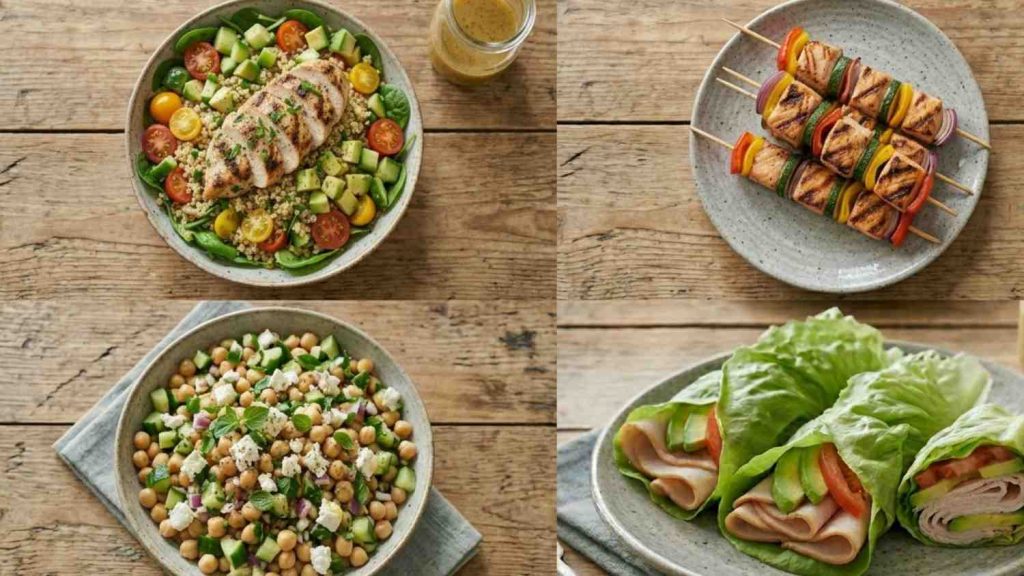
Finding lunch ideas that don’t make you feel tired or bloated can be hard when you have PCOS. I know the struggle of staring at the fridge, wondering what to eat that won’t spike your blood sugar. After years of testing meals as a nutritionist who also manages hormonal health, I’ve found that the right food can change everything. In this post, I’m sharing my favorite pcos lunch recipes that are tasty, easy to make, and great for your body. Let’s dive in and get cooking!
Understanding PCOS and Its Dietary Needs
If you have Polycystic Ovary Syndrome (PCOS), you know it is more than just a reproductive issue. It affects your whole body. One of the biggest parts of PCOS is insulin resistance. This means your body has a hard time processing sugar. When insulin levels stay high, it can lead to weight gain, fatigue, and other tricky symptoms.
That is why what you eat for lunch matters so much. A standard sandwich on white bread might taste good in the moment. But an hour later? You might feel shaky or need a nap. That is the blood sugar crash talking.
The goal is to eat meals that keep your blood sugar steady. We do this by choosing foods with a “low glycemic index.” These foods digest slowly. They give you steady energy instead of a quick spike and crash.
We also want to focus on fighting inflammation. Many women with PCOS have low-grade inflammation in their bodies. Eating whole, unprocessed foods acts like a cooling balm for your system. It helps calm everything down.
Key Nutrients for PCOS-Friendly Lunches
Before we get to the recipes, let’s talk about the building blocks of a good meal. Think of your plate as a puzzle. You need three main pieces to make the picture complete and keep your hormones happy.
Protein: The anchor of your meal
Protein is non-negotiable. It slows down digestion and keeps you full. When you eat protein, it tells your brain you are satisfied. Great sources include chicken, turkey, fish, tofu, beans, and eggs. Aim for a palm-sized portion at lunch. It stops the afternoon snack cravings before they even start.
Fiber: The slow-down nutrient
Fiber is your best friend. It acts like a brake for sugar absorption. It also helps your gut health, which is key to balancing hormones. Vegetables are the best source. Think leafy greens, broccoli, peppers, and carrots. Whole grains like quinoa and oats are also great. Try to fill half your plate with veggies.
Healthy Fats: The satisfaction factor
For a long time, we were told to fear fat. But healthy fats are vital for making hormones. They also make food taste good! Avocado, olive oil, nuts, and seeds are perfect choices. They help you absorb vitamins and keep your energy stable for hours. A little bit goes a long way.
PCOS Lunch Recipe Ideas
Now, let’s get to the fun part: the food! Here are five recipes that hit all the right notes. They are balanced, colorful, and perfect for a busy week.
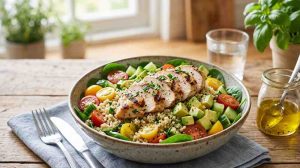
Recipe 1: Quinoa Salad with Grilled Chicken and Avocado
This salad is a classic for a reason. It is fresh, crunchy, and packed with everything your body needs.
Ingredients:
- 1 cup cooked quinoa
- 1 grilled chicken breast, sliced
- 1/2 avocado, diced
- 1/2 cup cherry tomatoes, halved
- 1/4 cup cucumber, chopped
- Handful of fresh spinach
- Dressing: Olive oil, lemon juice, salt, and pepper
Instructions:
- Cook the quinoa according to the package and let it cool.
- In a bowl, mix the quinoa with the spinach, tomatoes, and cucumber.
- Top with the grilled chicken slices and avocado.
- Whisk the olive oil and lemon juice together. Drizzle over the salad.
- Toss gently and enjoy!
Nutritional benefits for PCOS:
Quinoa is a complete protein and full of fiber. Pairing it with chicken gives you a double dose of protein. The avocado provides healthy fats to keep you full until dinner. This meal is a blood-sugar stabilizer.
My personal tip:
Make a big batch of quinoa on Sunday. It keeps well in the fridge for days. You can just scoop it out and add toppings when you are ready to eat.
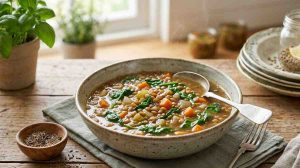
Recipe 2: Lentil Soup with Spinach
Soup feels like a warm hug, doesn’t it? This lentil soup is hearty and perfect for cooler days or when you need comfort food that won’t weigh you down.
Ingredients:
- 1 cup dried brown lentils, rinsed
- 1 onion, diced
- 2 carrots, chopped
- 2 celery stalks, chopped
- 4 cups vegetable broth
- 2 cups fresh spinach
- 1 tsp cumin
- Salt and pepper to taste
Instructions:
- Sauté the onion, carrots, and celery in a pot with a little oil until soft.
- Add the lentils, broth, and cumin. Bring to a boil.
- Lower the heat and simmer for about 20-25 minutes, until lentils are tender.
- Stir in the spinach at the very end. The heat will wilt it in seconds.
- Season with salt and pepper.
Nutritional benefits for PCOS:
Lentils are a powerhouse. They are rich in iron and high in fiber. This helps clear excess hormones from your body. Because they are a plant-based protein, they are gentle on digestion but very filling.
My personal tip:
This soup freezes beautifully. I like to freeze it in single-serve jars. On a busy morning, just grab a jar and let it thaw by lunch.
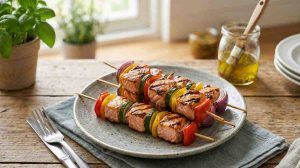
Recipe 3: Salmon and Veggie Skewers
Sometimes you need lunch to feel a little fancy. These skewers are fun to eat and loaded with anti-inflammatory benefits.
Ingredients:
- 2 salmon fillets, cut into cubes
- 1 bell pepper, cut into squares
- 1 zucchini, sliced into rounds
- 1 red onion, cut into wedges
- Marinade: Olive oil, garlic powder, dried oregano, lemon juice
Instructions:
- If using wooden skewers, soak them in water first so they don’t burn.
- Thread the salmon and veggies onto the skewers in an alternating pattern.
- Brush the marinade over everything.
- Grill or bake at 400°F (200°C) for about 10-12 minutes. The salmon should flake easily.
Nutritional benefits for PCOS:
Salmon is rich in Omega-3 fatty acids. These are incredible for lowering inflammation and improving insulin sensitivity. The colorful veggies add fiber and antioxidants.
My personal tip:
If you don’t have time for skewers, just toss everything on a sheet pan. It tastes the same but takes half the effort!
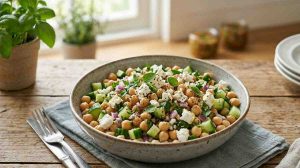
Recipe 4: Chickpea and Cucumber Salad
This is my go-to “no-cook” lunch. It comes together in five minutes and is so refreshing.
Ingredients:
- 1 can chickpeas, rinsed and drained
- 1 large cucumber, diced
- 1/4 red onion, finely chopped
- 1/4 cup feta cheese, crumbled
- Handful of fresh parsley, chopped
- Dressing: Olive oil, red wine vinegar, dried oregano
Instructions:
- Combine the chickpeas, cucumber, onion, and parsley in a large bowl.
- Sprinkle the feta cheese on top.
- Drizzle with oil and vinegar. Add a pinch of oregano.
- Stir well to coat everything.
Nutritional benefits for PCOS:
Chickpeas are a complex carb that digests slowly. They provide steady energy. The combination of fiber from chickpeas and fat from feta cheese makes this a very satisfying meal that prevents sugar cravings.
My personal tip:
The flavor of this salad gets better as it sits. If you can, make it the night before. The chickpeas soak up the dressing and it tastes amazing the next day.
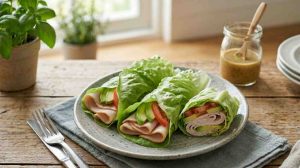
Recipe 5: Turkey and Avocado Lettuce Wraps
Craving a sandwich but want to skip the bread? These wraps give you that crunch without the carb overload.
Ingredients:
- 4 large lettuce leaves (Romaine or Butter lettuce works best)
- 4 slices of turkey breast (look for low-sodium)
- 1/2 avocado, sliced
- 1 tomato, sliced
- 1 tbsp hummus or mustard
Instructions:
- Wash and dry the lettuce leaves. Lay them flat.
- Spread a little hummus or mustard on the leaf.
- Layer the turkey, avocado, and tomato in the center.
- Roll it up like a burrito or fold it like a taco.
Nutritional benefits for PCOS:
This is a low-carb, high-protein option. Turkey is lean protein. The lettuce adds hydration and crunch. By swapping bread for lettuce, you reduce the glycemic load of the meal significantly.
My personal tip:
Double up the lettuce leaves if they are thin. It helps hold everything together so your lunch doesn’t fall apart in your hands!
Tips for Meal Prepping PCOS-Friendly Lunches
Planning is the secret weapon for managing PCOS. When you are hungry and have nothing prepared, it is easy to grab fast food. Here is how to stay on track.
Plan meals ahead
Take ten minutes on the weekend to think about your week. Pick two or three recipes from this list. You don’t need a different meal every day. Repeating meals keeps things simple. Write down what you need so you don’t forget anything.
Batch cooking and storage tips
Cook once, eat twice (or three times!). If you are roasting veggies for dinner, roast a second tray for lunches. If you make chicken, cook an extra pound. Store your prepped food in clear glass containers. Seeing the healthy food in the fridge makes you more likely to eat it. Keep sauces separate until you are ready to eat to avoid soggy salads.
Shopping list strategies
Stick to the perimeter of the grocery store. That is where the fresh produce, meats, and dairy usually are. The middle aisles often hold the processed foods. Make a list and stick to it. Never go grocery shopping when you are hungry! You will end up with snacks you didn’t plan for.
Addressing Common Concerns and Myths about PCOS Diets
There is so much confusing information out there. Let’s clear up a few things.
Myth: You have to cut all carbs
False! You need carbs for energy. The key is choosing the right carbs. Swap white bread and sugary snacks for whole grains, beans, and fruits. These have fiber that slows down sugar absorption. You don’t need to fear fruit or quinoa.
Myth: All fat is bad
Also false. Your hormones need fat to function. Low-fat diets can actually make hormone imbalances worse. Focus on quality fats like olive oil, nuts, and fatty fish. Avoid processed trans fats found in fried foods, but enjoy the healthy ones.
Importance of personalized nutrition
Everybody is different. What works for your friend might not work for you. Listen to your body. If a certain food makes you feel bloated or tired, take note. You are the expert on your own body.
Consulting a healthcare professional
While blogs are helpful, they don’t replace medical advice. If you are struggling, talk to a dietitian or doctor who specializes in PCOS. They can help tailor a plan just for you.
Frequently Asked Questions
Can I eat dairy if I have PCOS?
It depends on the person. Some women find dairy causes inflammation and acne. Others tolerate it fine. Try cutting it out for a few weeks and see how you feel. If you miss it, try adding back high-quality dairy like Greek yogurt or goat cheese.
Is coffee okay for PCOS?
Caffeine can increase stress hormones like cortisol. If you feel jittery or anxious after coffee, it might be too much. Try sticking to one cup in the morning, or switch to green tea or spearmint tea. Spearmint tea is actually known to help reduce excess androgens in PCOS!
Do I need to eat gluten-free?
Many women with PCOS feel better without gluten because it can be inflammatory. It is worth trying for a month to see if your energy or digestion improves. Focus on naturally gluten-free foods like rice, potatoes, and corn instead of processed gluten-free snacks.
How often should I eat?
Skipping meals can cause blood sugar to drop and then spike later. Aim to eat every 3 to 4 hours. A balanced breakfast, lunch, and dinner with a small snack in between usually works best to keep energy steady.
A Final Thought on Healing with Food
Managing symptoms with these PCOS lunch recipes is a powerful step toward feeling like yourself again. Food is not just fuel; it is information for your cells. Every time you choose a balanced plate with protein, fiber, and healthy fats, you are sending a message of safety and calm to your body.
Don’t worry about being perfect. Just aim for better. Try one of these recipes this week. See how it makes you feel. Small changes add up to big results over time. You have the power to help your body heal, one lunch at a time.
I would love to hear from you! Have you tried any of these meals? Do you have a favorite go-to lunch? Share your experience in the comments below. Let’s support each other on this journey.

Cooking should be an expression of joy, not a chore! Hi, I’m Martina G. Peare, owner of RecipeTalkToday, a recipe creator dedicated to keeping things real, simple, and flavorful. I hope this recipe brings a little magic to your table today. Did you try this recipe? I’d love to hear how it turned out! Leave a comment below or tag me in your kitchen creations. Let’s make your kitchen the happiest place in your home.
