Sourdough bread combines tradition with a tangy twist. Its unique taste has won over many home bakers.
Dive into the world of sourdough quick bread recipes, where the timeless art of sourdough meets the modern need for speed. These recipes offer a perfect solution for those who crave the distinctive flavor of sourdough but are short on time.
No longer does sourdough baking have to be a weekend-long project. With quick bread recipes, you can mix, bake, and enjoy your creation without waiting for days. Ideal for busy individuals and families, these recipes simplify the process while maintaining the delicious, homemade quality of traditional sourdough. Get your oven preheated and your taste buds ready for a delightful baking journey that combines convenience with the cherished taste of sourdough.
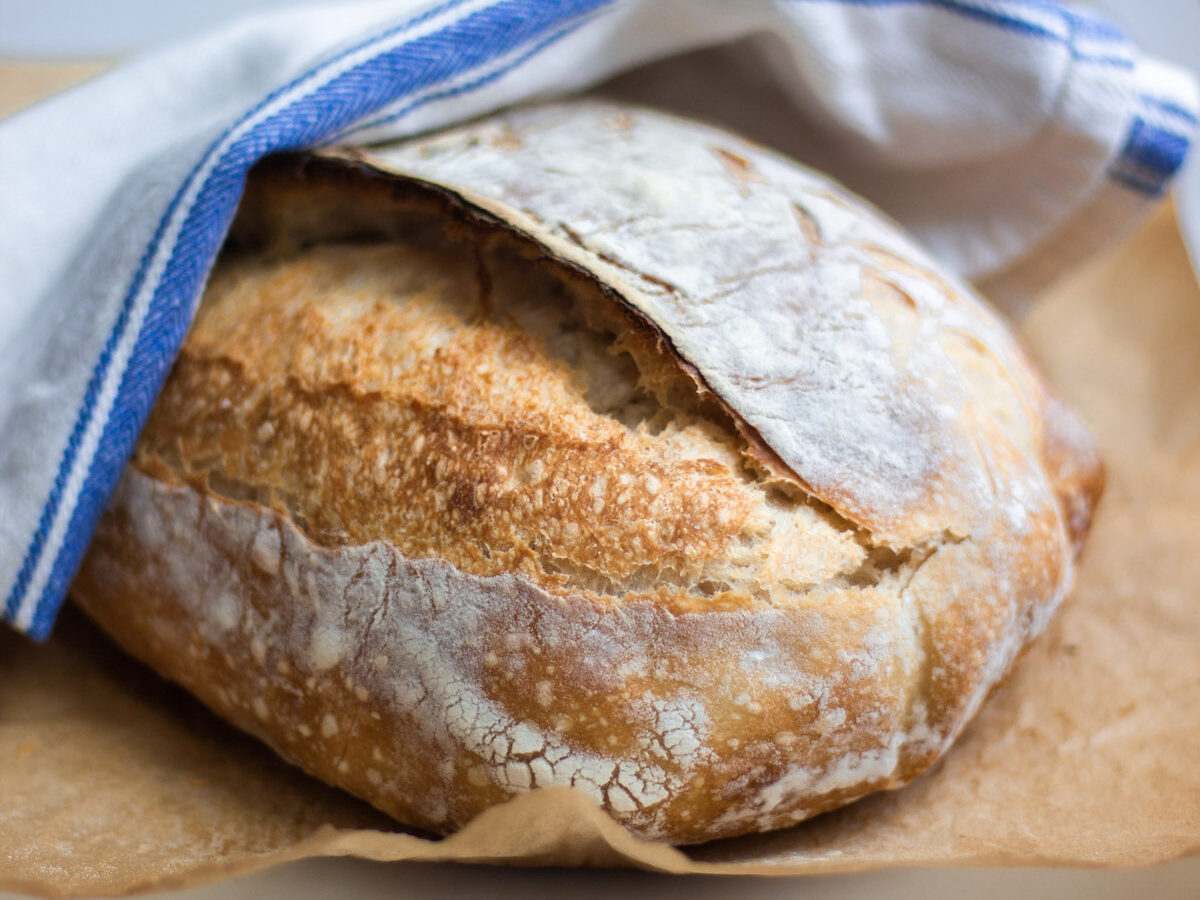
Credit: mayaskitchendaydreams.com
The Allure Of Sourdough Quick Breads
The Allure of Sourdough Quick Breads lies in its unique taste and texture. The tangy flavor and chewy crust make it a favorite among bread lovers. This bread type combines the health benefits of traditional sourdough with the ease of quick bread recipes. It’s perfect for those who love homemade bread but have less time to spare.
The Rise Of Sourdough
Sourdough has a rich history that dates back thousands of years. Its natural fermentation process captivates bakers and eaters alike. Today, sourdough experiences a renaissance in kitchens around the globe. People cherish its digestive benefits and depth of flavor. The rise of sourdough aligns with a greater desire for wholesome, artisanal foods.
Speedy Sourdough: Merging Tradition With Convenience
Sourdough quick breads bring together old-world techniques and modern-day efficiency. They require no yeast and less rising time. Yet, they deliver a delightful sourdough essence. These quick breads are ideal for busy bakers. They offer the satisfaction of sourdough without the typical wait. A perfect blend of convenience and tradition, they fit right into hectic lifestyles.
Essential Ingredients For Sourdough Quick Breads
Let’s dive into the world of sourdough quick breads. These breads delight everyone. They mix tradition with fast results. For perfect bread, you need the right ingredients. Let’s explore these essential ingredients.
Starter Stories: The Heart Of Sourdough
The starter gives life to sourdough bread. It’s a mix of flour and water. This mix ferments over time. It catches yeast from the air. This makes the bread rise without store-bought yeast. A lively starter means tasty bread.
Flour, Salt, Water: The Classic Trio
These three ingredients form the base of any sourdough bread. Flour feeds the starter. It makes the dough. Salt adds flavor. It also controls yeast growth. Water mixes everything. It helps the dough form. Together, they make magic.
Adventurous Add-ins: Customizing Your Loaf
Want unique bread? Add special ingredients. Seeds add crunch. Nuts give richness. Dried fruits bring sweetness. Herbs create aroma. Mix in these extras for your own special loaf. Make each bread your own.
Creating The Perfect Sourdough Starter
The journey to a delectable sourdough quick bread begins with a single step: creating the perfect sourdough starter. This living blend of flour and water is your ticket to rich, tangy breads. Let’s dive into the secrets of cultivating a robust starter and keeping it alive for countless baking adventures.
Cultivating Your Culture: From Scratch To Rich
Begin with simple ingredients. Combine equal parts flour and water in a clean jar. Whole grain flour works best. It’s full of nutrients that feed the natural yeasts and bacteria in your culture. Make sure the water is at room temperature to kick-start the fermentation. Cover the jar with a cloth, securing it with a rubber band. Place it in a warm spot, away from direct sunlight.
Patience is key. Feed your starter daily with fresh flour and water. Stir well to incorporate air. Watch for bubbles. They signal life in your culture. A pleasant, tangy aroma means you’re on the right track. Within a week, your mixture should be bubbly and ready for baking.
Maintaining Your Starter: Tips For Peak Performance
Keeping your starter healthy is crucial. Regular feedings are a must. Use a 1:1:1 ratio of starter, water, and flour for balance. Always discard a portion before feeding. This keeps your starter strong and prevents overflow.
Observe your starter’s activity. Feed it more often if it’s hungry and active. Once a day works for most. If you bake less often, store your starter in the fridge. This slows down the fermentation. Remember to let it reach room temperature before baking.
Stir your starter well to mix in fresh oxygen. A happy starter is a bubbly one. Keep it in a consistent spot. Extreme temperature changes can harm it. With care, your sourdough starter will thrive, ready to leaven your quick bread recipes with its unique charm.
Mixing Methods For Maximum Flavor
Welcome to the art of sourdough quick breads. Let’s dive into the mixing methods that tease out deep, rich flavors. Each twist and turn in the process can bring your bread from good to unforgettable. Understand these steps for a foolproof path to deliciousness.
The No-knead Approach
Simple yet effective, the no-knead method is a baker’s secret. Forget the strenuous work of traditional kneading. Combine your ingredients and let time do the heavy lifting. This method allows for a slow fermentation process. It enhances the sourdough’s natural flavors. The dough develops complexity and character with minimal effort.
The Role Of Resting And Folding
Rest and fold – key steps in flavor development. Resting the dough allows yeast and bacteria to work. They create those classic sourdough tastes and aromas. Folding, on the other hand, strengthens the dough’s structure. It incorporates air and builds volume. This gentle technique distributes yeast and nutrients evenly. It results in a more consistent crumb and a tastier loaf.
Variations Of Sourdough Quick Bread
Sourdough quick bread brings a unique twist to baking. It’s easy and fast. Many flavors can blend with its tangy base. Let’s explore different types. Everyone finds something they love.
Savory Selections: Cheese And Herb Infusions
Cheese and herbs make bread tasty. Imagine warm bread with melted cheese inside. Sounds good, right? Add herbs like rosemary or thyme. They give a fresh taste. Try different cheeses too. Each one adds a new flavor. This bread goes well with soup or salad. Or eat it alone. It’s that good.
Sweet Sensations: Fruits And Nuts
Fruits and nuts bring sweetness and crunch. Think of soft bread with bits of apple or raisins. Now add nuts like walnuts or pecans. They give a nice bite. This bread is perfect for breakfast. Or as a snack. It’s sweet but not too much. Just right. Enjoy it with coffee or tea. A match made in heaven.
Troubleshooting Common Sourdough Quick Bread Issues
Sourdough quick bread can be tricky. Bakers often face issues that can turn a promising loaf into a disappointing one. The joy of baking sourdough comes with its challenges. But fear not! We’ll tackle two common problems: denser crumb textures and lackluster starters. Let’s dive in and get those loaves back to their fluffy glory!
Dense Crumb Dilemmas
A dense crumb can disappoint. It’s often a sign of underproofing or lack of moisture. Here’s how to fix it:
- Proof longer to let the yeast work.
- Ensure the dough is wet enough.
- Check the room’s temperature.
Tip: Use a warm spot to help the dough rise.
Starter Woes: When Your Culture Lacks Vigor
A weak starter makes a weak bread. Revive your starter with these steps:
- Feed it regularly, twice a day.
- Use warm water for feeding.
- Stir it to get air inside.
Remember, a happy starter is the secret to great sourdough.
Pairings And Serving Suggestions
Imagine the warm, tangy aroma of fresh sourdough quick bread drifting from your oven. Now, let’s elevate that experience with perfect pairings and serving suggestions that will make your sourdough bread the star of any table.
Complementary Spreads And Toppings
Transform your sourdough quick bread into a delightful treat with the right spread or topping. Here are some favorites:
- Creamy butter melts beautifully on warm bread.
- Fruit jams add a sweet contrast to the tangy sourdough.
- Rich honey offers natural sweetness.
- Nut butters provide a hearty, protein-packed option.
- Herb-infused olive oils for a savory twist.
Sourdough Quick Breads As Meal Accomplices
Sourdough bread shines as a side dish too. Pair it with:
| Meal Type | Suggested Pairing |
|---|---|
| Breakfast | Eggs and avocado for a hearty start. |
| Lunch | Hearty soups and crisp salads. |
| Dinner | Pasta dishes or as a base for bruschetta. |
Remember, simplicity is key. Fresh, quality ingredients will let your sourdough quick bread truly shine. Enjoy it at any meal, or as a snack, with these easy yet delicious pairings.
Storing And Preserving Your Breads
After baking sourdough quick bread, the next step is storage. Good storage keeps your bread fresh. It also saves flavors for later. Let’s talk about how to store your breads right.
Keeping It Fresh: Storage Tips
Keep bread in a cool, dry place. A bread box works well. No bread box? Use a paper bag. Avoid plastic bags. They make bread soggy. Wrapped right, your bread stays fresh for days. Slice it only when you’re ready to eat. This keeps it from drying out.
Freezing For Future Flavors
Freezing keeps bread good for months. Cool the bread first. Then, wrap it in foil or freezer-safe bags. Label with the date. When ready to eat, thaw at room temperature. Or, warm in an oven for fresh-baked taste. Now, enjoy your bread anytime!
Sharing The Sourdough Love
Nothing beats the joy of sharing homemade sourdough bread. It’s a sign of warmth and care. Your kitchen fills with the aroma of fresh bread. And that warm, crusty loaf can bring smiles to faces. Now, imagine spreading this joy further. Share your sourdough creations with friends and family. Let’s dive into how you can do that with some simple ideas.
Gifting Breads To Friends And Family
Sourdough bread makes a thoughtful gift. It shows you care. It’s unique and full of flavor. Wrap it in a clean tea towel for a personal touch. Attach a handwritten note. Share your favorite ways to enjoy it. This personal touch means a lot. It’s more than just bread. It’s a piece of your heart.
Hosting A Sourdough Swap Event
Organize a sourdough swap with others. Invite friends who bake. Ask each person to bring their own sourdough loaf. Swap breads and enjoy different flavors. It’s a fun way to try new recipes. You get to meet fellow sourdough lovers too. Share tips and tricks. Everyone goes home happy with a new bread to try.
Discover the joy of homemade sourdough quick breads today. These recipes offer a simple path to delicious, fresh bread. No need for advanced baking skills. Just follow the steps and enjoy the aroma of baking bread. Share your creations with friends and family.
They’ll love the taste of your homemade sourdough. Start baking now and fill your home with warmth and comfort. Try different recipes and find your favorite. Happy baking and savor every slice!
FAQs:
Can You Make Sourdough Bread Quickly?
Yes, sourdough quick bread recipes allow you to enjoy sourdough flavors without the traditional long fermentation period. By using a small amount of commercial yeast alongside your sourdough starter, the rising time can be significantly reduced, making the process faster.
What’s The Easiest Sourdough Quick Bread Recipe?
The easiest sourdough quick bread recipe typically involves mixing your active sourdough starter with flour, water, salt, a bit of sugar, and commercial yeast. No kneading is required; just combine the ingredients, let it rise once, and bake.
How Long Does Quick Sourdough Bread Take To Bake?
Quick sourdough bread takes approximately 35 to 45 minutes to bake at a temperature of around 375°F (190°C). The exact time can vary based on the specific recipe and oven, so it’s best to check for a golden-brown crust and hollow sound when tapped.
What Are The Benefits Of Sourdough Quick Bread?
Sourdough quick bread offers the tangy flavor of traditional sourdough with a shorter preparation time. It’s easier for beginners and those short on time. Moreover, it still contains some of the beneficial bacteria and enzymes found in regular sourdough.

Cooking should be an expression of joy, not a chore! Hi, I’m Martina G. Peare, owner of RecipeTalkToday, a recipe creator dedicated to keeping things real, simple, and flavorful. I hope this recipe brings a little magic to your table today. Did you try this recipe? I’d love to hear how it turned out! Leave a comment below or tag me in your kitchen creations. Let’s make your kitchen the happiest place in your home.