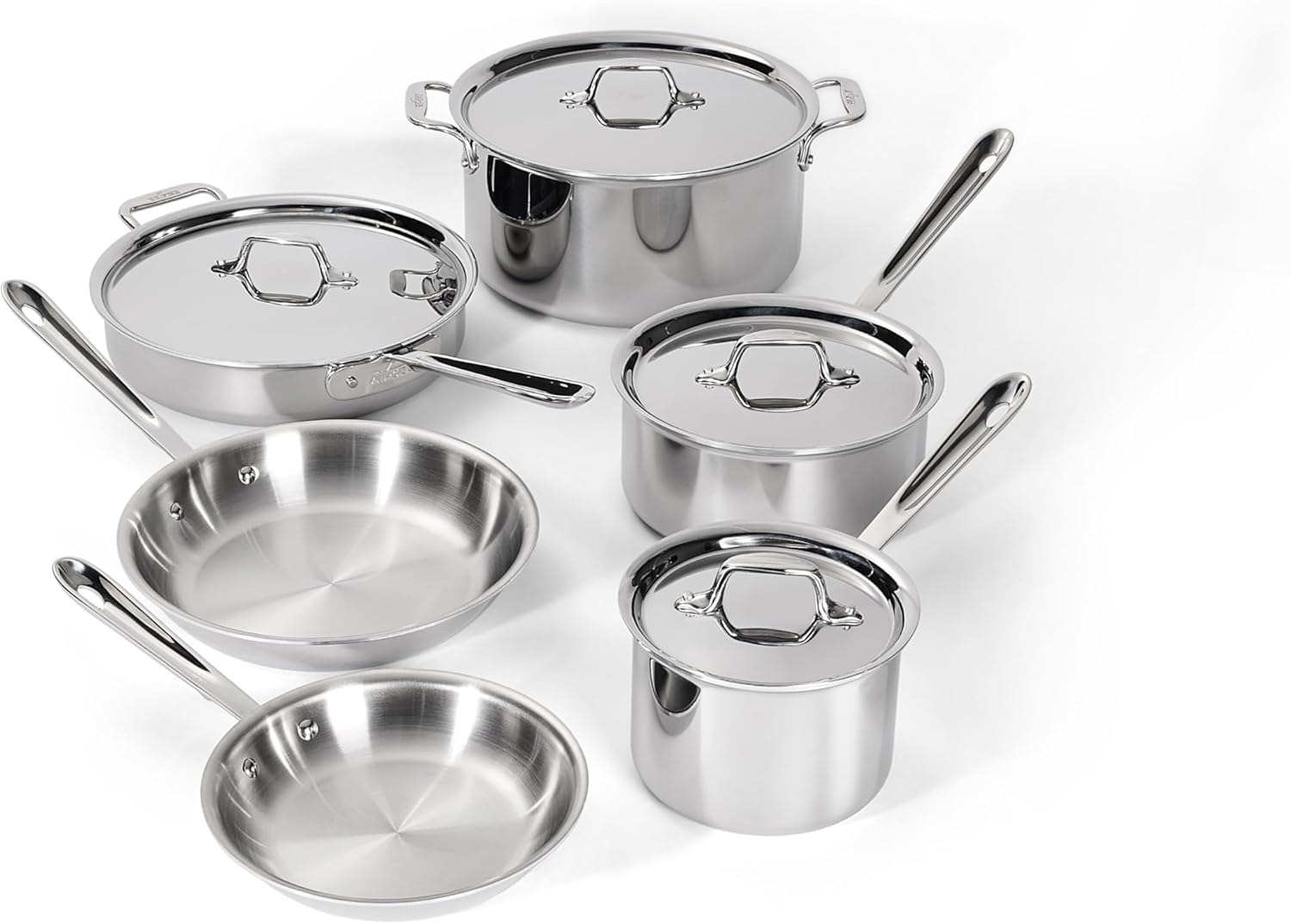
Parchment paper can help prevent food from sticking in a frying pan, but it requires care. It works best over low to medium heat, while direct contact with flames, heating elements, or very hot oil can scorch the paper or cause it to burn.
The pan type, paper’s heat rating, and the food being cooked all affect safety. Michael Hayes of VoiceOfKitchen.com recommends securing the paper under the food, keeping loose edges away from heat, and checking the package temperature limit before cooking.
Key Takeaways
- Parchment paper suits low to medium-heat pan cooking.
- Loose edges and excessive heat can cause scorching or fire.
- The paper’s temperature rating should guide its use.
Safety Considerations
Parchment paper can work in a frying pan for low- to medium-heat cooking, but it has limits. The cook must keep it away from flames, exposed heating elements, and temperatures above the product’s stated rating.
Heat Limits
Most parchment paper is rated for oven use up to about 420–450°F (215–230°C), but the package instructions control. A frying pan can develop hot spots that exceed the air temperature shown on a stove dial, especially when the pan is empty or nearly dry.
Parchment paper should not touch the sides of a very hot pan. It can darken, become brittle, smoke, or ignite. It works best when food covers most of the paper and the burner stays at low or medium heat.
| Check | Safer practice |
|---|---|
| Temperature | Stay below the package limit |
| Pan condition | Keep food in the pan; avoid preheating empty paper |
| Paper size | Trim it so it does not extend beyond the pan |
| Cooking method | Use low or medium heat instead of searing heat |
Wax paper should not replace parchment paper. Wax can melt or smoke when heated.
Open-Flame Risks
A gas burner creates a direct flame beneath the pan. Any parchment that hangs over the rim can catch fire, particularly when a breeze or fan pulls the paper toward the burner.
The cook should trim the paper to fit inside the pan and keep it flat under the food. It should never touch the burner, flame, or a hot pan handle. If the paper smokes, browns heavily, or curls toward the flame, the cook should turn off the heat and remove it with tongs after it cools.
Parchment paper also burns if it contacts spilled oil or grease near a flame. A properly sized sheet reduces this risk, but it does not make high-heat frying safe.
Paper Contact With Heating Elements
Parchment paper must not touch an electric coil, ceramic heating surface, toaster-oven element, broiler, or other exposed heater. Direct contact can cause rapid scorching or ignition, even when the oven or burner setting seems moderate.
The paper should remain fully inside the pan. A cook should not use it as a liner beneath a pan on a stovetop, because the exposed edges can reach the heating element and the paper can interfere with stable contact.
For stovetop use, the safest setup keeps the paper between the food and the pan, with no loose edges. Silicone cookware labeled for stovetop use or a suitable nonstick pan may provide a better choice for repeated cooking.
Best Pan Types And Cooking Methods
Parchment paper works best with gentle stovetop heat, a flat pan, and food that needs help releasing. The pan’s material, the paper’s heat rating, and the cooking method all affect safety and results.
Skillets And Sauté Pans
Stainless steel and cast-iron skillets can hold parchment in place for delicate foods such as eggs, fish, pancakes, or hash browns. The paper creates a barrier between the food and the pan, which can reduce sticking and make cleanup easier.
The cook should cut the parchment to fit the pan’s base. It should not extend over the rim, touch a gas flame, or sit near an exposed electric heating element. A small amount of oil can help the paper stay flat, but the pan should not heat while empty for a long time.
Medium-low to medium heat works best. Parchment can scorch when exposed to high stovetop temperatures, especially during searing or shallow frying. It should not replace oil when food needs direct browning or when the recipe requires hot frying.
Nonstick Cookware
A sound nonstick pan often needs no parchment for eggs, fish, or other delicate foods. Using the pan as designed protects its coating and gives more even contact with the cooking surface.
Parchment can still help when a food has a sticky coating or when a cook wants to separate layers. The sheet must lie flat and remain free from the sides of the pan. Trimming it to the pan’s shape prevents loose edges from folding into the food or catching heat.
| Cooking task | Suitable heat | Parchment use |
|---|---|---|
| Eggs or fish | Low to medium | Usually suitable |
| Reheating flat foods | Low to medium | Usually suitable |
| Searing meat | High | Not recommended |
| Deep or shallow frying | High | Not recommended |
Oven-Safe Pans
An oven-safe skillet or sauté pan provides a safer setting for parchment because the paper can stay below its rated temperature. It can line the pan for baked eggs, frittatas, roasted vegetables, or foods finished in the oven.
The cook should check the parchment package for its maximum temperature, commonly about 420–450°F (215–230°C). The paper should not touch oven walls, broiler elements, open flames, or a pan’s exposed handles if they become extremely hot.
For stovetop-to-oven recipes, parchment works best after the pan has been removed from intense direct heat. A silicone baking mat may provide a better option for repeated use, but it must also carry a clear oven temperature rating.
Choosing The Right Paper
The paper’s coating, size, and heat rating affect how safely it works in a frying pan. Silicone-coated parchment and precut liners can reduce sticking, while wax paper and other non-heat-safe papers should stay away from the pan.
Silicone-Coated Parchment
Silicone-coated parchment has a nonstick surface that helps food release from the pan. It also resists grease and moisture, which makes it useful for eggs, fish, pancakes, and other foods that may stick to bare metal.
The package should list a maximum temperature. Many parchment products tolerate oven temperatures around 400–450°F (204–232°C), but the exact limit varies. A frying pan can develop hot spots above the listed rating, especially on a high burner, so the pan should stay over low or medium heat.
The parchment should lie flat inside the pan and remain below the rim. It should not touch an open flame, a heating element, or a dry pan for long periods. The cook should replace paper that becomes dark, brittle, or scorched.
Precut Liners
Precut parchment rounds and sheets provide a better fit than a large roll. A round liner should match the pan’s base without reaching up the sides, where it could curl toward the flame or burner. Sheets work well for larger skillets when trimmed to size.
| Feature | What to check |
|---|---|
| Size | It should fit flat without folded edges. |
| Heat rating | It should meet the planned cooking temperature. |
| Coating | It should say parchment, not wax paper. |
| Condition | It should remain dry and free of tears. |
The liner should be placed in the pan only after the pan is ready for food. Food or a small amount of oil can help hold it in place. An empty sheet may shift when the cook adds batter, oil, or ingredients.
Alternatives To Avoid
Wax paper should not replace parchment paper in a frying pan. Its wax coating can melt, smoke, or transfer to food when heated. Paper towels, printer paper, brown paper bags, and ordinary paper also lack the coating and heat rating needed for stovetop cooking.
A silicone baking mat may handle heat, but it usually does not fit safely in a frying pan. It can block direct heat, trap steam, or move when the pan tilts. Nonstick cookware, a well-seasoned cast-iron pan, or a small amount of cooking oil offers a safer alternative for frying.
Parchment should also be avoided for deep-frying. Hot oil can move the paper, expose it to excessive heat, and create a fire risk.
Proper Placement And Preparation
Parchment paper works best when it fits the pan, stays below the pan’s rim, and supports food rather than sitting alone over high heat. The cook should use moderate heat, add food soon after placing the paper, and keep the paper from shifting.
Trimming To Fit
The cook should cut the parchment to match the flat base of the frying pan. A round piece should sit inside the pan without rising up the sides. Any excess paper can fold, scorch, or touch a burner.
The paper should not extend beyond the pan’s edge. It also should not cover the handle area or hang near an open flame. If the pan has a raised rim, the parchment should remain below it.
For a round pan, the cook can trace the base or fold the paper into quarters and trim it to size. A small hole in the center can help steam escape when cooking moist foods, but it is not needed for ordinary pan frying.
Adding Oil Or Food
Parchment paper can reduce sticking, but it does not replace every form of cooking fat. The cook should follow the recipe and use a small amount of oil when the food needs browning, added moisture, or better release.
A light coating of oil beneath the paper can help it lie flat. The cook should then place the food on top before heating the pan strongly. Food should cover much of the paper so it holds the sheet against the pan.
Parchment paper has a heat limit, which varies by brand. The cook should check the package and avoid using it for deep-frying or direct contact with a burner. Wax paper should not be used in a frying pan because it can melt or smoke.
Preventing Paper Movement
The cook should place the parchment in a cool or gently warmed pan, then add the food immediately. Empty parchment can lift, fold, or move when exposed to airflow or a hot burner.
The food’s weight usually keeps the paper in place. For delicate items, the cook can add a small drop of oil to the pan before laying down the parchment, then press the sheet flat with a spatula.
The paper should remain fully inside the pan. The cook should avoid using parchment under a broiler, over an open flame, or at temperatures above its package rating. If the paper darkens, smokes, or curls toward the heat, the cook should turn off the burner and remove it carefully.
Suitable Foods And Techniques
Parchment paper works best with gentle heat, short cooking times, and foods that need help releasing from the pan. It can also support covered steaming and low-temperature reheating, but it should not touch an open flame or extend over the pan’s sides.
Pan-Frying Delicate Foods
Parchment paper can help cook delicate foods such as fish fillets, dumplings, tofu, pancakes, and fragile eggs. It creates a barrier between the food and the pan, which reduces sticking and makes turning easier. The paper should sit flat inside a cool pan, with no edges hanging near the burner.
Use low to medium-low heat and check the paper often. Parchment can darken, curl, or weaken when exposed to prolonged direct heat. It should not replace oil when food needs browning, because the paper blocks some contact between the food and the hot pan.
A small amount of oil under or on top of the paper can improve heat transfer. The pan should never be left unattended, and the paper should be removed if it begins to smoke or scorch.
Steaming And Covered Cooking
Parchment paper suits steaming methods that use water, broth, or food moisture rather than strong dry heat. A cook can place fish, vegetables, chicken, or dumplings on a sheet, add a small amount of liquid, and cover the pan with a tight lid. The trapped steam cooks the food gently while the paper limits sticking.
The sheet should remain smaller than the pan and stay below the lid. It must not block steam vents or touch the burner. A round sheet with a few small holes can allow steam to move around the food.
| Use | Safe practice |
|---|---|
| Fish or vegetables | Add liquid and keep the lid closed |
| Dumplings | Keep the paper flat beneath them |
| Wrapped food | Seal loosely so steam can circulate |
Low-Heat Reheating
Parchment paper can help reheat foods such as pizza slices, roasted vegetables, breaded fish, or pastries over low heat. It prevents food from sticking and reduces direct contact with the pan, which can help protect soft or crisp surfaces.
The pan should start cool, and the heat should stay low. A lid can warm the top, but condensation may soften crisp coatings. The parchment should remain fully inside the pan and away from the burner.
This method suits brief reheating rather than long cooking. If the paper becomes brown, brittle, or smoky, the heat should be turned off and the paper removed with tongs after it cools.
Temperature And Timing Guidelines
Parchment paper can tolerate moderate oven heat, but a frying pan creates direct, uneven heat that can damage it quickly. Safe use depends on keeping the burner low, limiting cooking time, and watching the paper continuously.
Recommended Heat Settings
Use parchment paper in a frying pan only for low-heat, short cooking tasks, such as gently warming food. Keep an electric burner on low or use the lowest gas flame. The paper should not extend beyond the pan, touch the burner, or sit against the pan’s sides.
Do not use parchment for searing, frying, sautéing, or other high-heat cooking. An empty pan can become hotter than parchment’s typical heat rating, which is often about 420°F (215°C). Direct contact with a hot pan may cause the paper to darken, smoke, break down, or ignite before the food finishes cooking.
A silicone baking mat or a properly seasoned pan may provide a safer nonstick option for stovetop cooking. Wax paper should not replace parchment because heat can melt its coating and create smoke.
Monitoring During Cooking
Stay beside the pan while parchment is in use. Check the edges frequently and turn off the burner immediately if the paper curls, browns, smokes, or develops a burnt smell. Keep a lid nearby to cover a small flare-up, and never pour water into hot oil.
Use parchment only when the food covers most of the paper and keeps it from lifting toward the flame. Cut the sheet to fit the pan, remove excess paper, and avoid leaving the pan unattended, even for a short time.
For dough placed in hot oil, some bakers lower the dough with its parchment and remove the paper once it separates. This requires close control and safe equipment; loose paper can burn or become difficult to retrieve. A metal utensil should remove the paper, not bare hands.
Common Mistakes To Avoid
Parchment paper works best in a frying pan when the pan stays at low or medium heat and the sheet remains covered by food. Cooks should also check each sheet for damage, moisture, and exposed edges before cooking.
Using High Heat
Most parchment paper handles oven temperatures around 420–450°F (215–230°C), but a frying pan can create hot spots that exceed the paper’s rating. Direct contact with a burner or heating element can make the paper smoke, darken, or catch fire.
Use low or medium heat instead of high heat. Keep the pan flat on the burner, and do not let the paper extend over the rim. If the paper begins to smoke or turn black, turn off the heat and remove the pan carefully after it cools. Do not use parchment under a broiler or for deep-frying. A basic explanation of parchment paper can help cooks compare it with wax paper, which should not replace it in a hot pan.
Leaving Empty Paper In The Pan
An uncovered sheet can shift, curl, or lift toward the burner as the pan heats. Its edges may scorch even when the center remains under the food. Loose paper also makes it harder to control oil and can interfere with stirring or flipping.
Place the food on the parchment as soon as the sheet enters the pan. Trim the paper so it fits inside the pan without touching the sides. Use enough food to hold it down, but do not crowd the pan. For foods that release little moisture, such as eggs or fish, a small amount of oil can help prevent dry paper from moving.
Using Damaged Or Wet Sheets
Do not use parchment with tears, holes, burned spots, or heavy creases. A damaged sheet may expose the pan surface, allow food to stick, or break apart while the cook flips the food. Wet parchment can also become soft and harder to position safely.
Use a fresh, dry sheet cut to the pan’s size. Keep it away from water, steam, and splashing oil before use. If the paper becomes soaked during cooking, replace it only after turning off the heat and allowing the pan to cool enough for safe handling. Never reuse parchment that has browned, absorbed oil, or touched raw meat juices.
Cleanup And Disposal
Remove food and grease while the pan remains warm, but let the parchment cool enough to handle safely. Discard paper that shows scorching, tears, or heavy grease, and clean the pan according to its material and care instructions.
Removing Residue
After cooking, lift the parchment from the pan by its edges. Let oil cool before moving it, then pour it into a container for disposal. Oil should not go down the drain because it can harden and cause blockages.
Wipe loose crumbs and grease from the pan with a paper towel. If residue remains, wash the pan with warm water and mild dish soap. A soft sponge works well for stainless steel and many nonstick pans. Avoid metal scrubbers and harsh cleaners on coated surfaces.
If food sticks to the pan, soak it briefly in warm, soapy water. Do not scrape a nonstick coating with a knife or other sharp tool. The nonstick surface needs gentle cleaning to prevent damage.
When To Replace The Liner
Parchment paper should be discarded after one use in a frying pan. Unlike a clean baking liner used for some low-moisture foods, pan-used parchment absorbs oil, food juices, and odors. Reusing it can also make it weaker and more likely to tear.
Replace the liner immediately if it has dark brown or black spots, curled edges, holes, or a brittle texture. These signs show that the paper may have reached too much heat or has lost its strength. Do not use parchment that touches a burner, heating element, or open flame.
Let used parchment cool fully before placing it in the trash. Keep it away from hot cookware and grease-soaked paper towels. Check the package for its maximum temperature, since parchment products differ and frying pans can create hot spots above the paper’s rated limit.
FAQs
Can parchment paper be used in a frying pan?
It can be used for low-heat cooking, steaming, or wrapping food. It should not replace oil or a cooking surface during high-heat frying or sautéing.
Why is high heat a concern?
Parchment paper has a heat limit listed by the manufacturer. Direct contact with a hot pan can cause it to darken, break down, or catch fire, especially on a gas stove.
Can it be used to cook eggs or fish?
Some cooks place parchment between delicate foods and a pan to reduce sticking. This method requires low to moderate heat, close supervision, and paper that stays flat without touching a burner or flame.
Can parchment paper go under food in hot oil?
It is not a reliable choice for frying in oil. The paper can tear, shift, or absorb oil, and its edges may overheat.
Is parchment paper safer on an electric stove?
An electric stove removes the open-flame risk, but the pan can still become hot enough to damage the paper. The manufacturer’s temperature limit still applies.
What alternatives can reduce sticking?
- A well-seasoned cast-iron pan
- A suitable nonstick pan
- A small amount of cooking oil
- A reusable silicone liner rated for stovetop use
Wax paper should not be used as a substitute because it can melt or smoke when heated.
Conclusion
Parchment paper can be used in a frying pan for low-heat cooking, steaming, or en papillote. It can reduce sticking and make cleanup easier when the paper stays below its heat limit.
It should not be used for deep-frying or regular high-heat frying. Direct contact with a hot burner, exposed flame, or very hot oil can cause the paper to scorch or catch fire.
For safer use, the cook should:
- Check the package heat limit.
- Keep the paper flat and fully covered by food.
- Trim the paper so it does not hang over the pan.
- Avoid using it under a broiler or on an empty hot pan.
- Stop using it if it browns, smokes, or burns.
For sautéing and pan-frying, a suitable cooking oil or a quality nonstick pan usually works better. The right choice depends on the heat, cooking method, and manufacturer’s instructions.