
By Michael Hayes — RecipeTalkToday
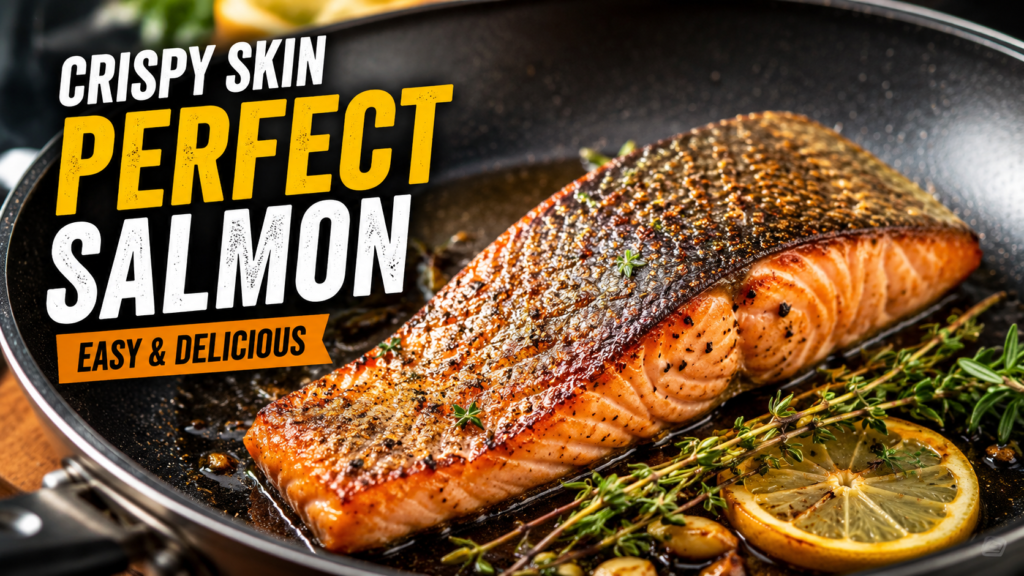
Quick Answer: To cook salmon in a frying pan with skin, pat the fillet dry, season it, and place it skin-side down in a hot, lightly oiled pan. Press gently for a few seconds, then let it cook undressed for most of the time before flipping briefly to finish. This method gives you crispy skin and moist flesh without overcooking.
Learning how to cook salmon in a frying pan with skin is one of the most useful skills in home cooking. A well-crisped skin adds texture and flavor, and it also protects the delicate flesh from overcooking. This guide walks through the setup, the technique, common mistakes, and safety checks so your results are consistent, not accidental.
Crispy Skin Technique
Pan Selection
Kitchen Safety
Common Mistakes
Food Safety
This article on RecipeTalkToday is for general educational and buying-guidance purposes only. It does not replace the manufacturer’s official manual, food safety guidance, or professional advice. Materials, specifications, and care instructions can vary by product and should be confirmed with the manufacturer before purchase or use. For product defects, suspected food-safety issues, or injuries such as burns or cuts, contact the manufacturer, a qualified professional, or seek medical help as needed.
Why Cooking Salmon Skin-Side Down Matters
When you cook salmon in a frying pan with skin, the skin acts as a barrier between the heat and the flesh. This helps the fillet cook more evenly and gives you a crisp, golden layer that many home cooks enjoy for texture and flavor. Skipping this step, or rushing it, is one of the main reasons salmon turns out soggy or unevenly cooked on a stovetop.
In daily cooking, I usually notice that the skin also helps hold the fillet together, which makes flipping easier and reduces the chance of the fish falling apart in the pan.
How the Technique Works
Crisping salmon skin relies on a simple idea: consistent, dry heat plus contact time. When the skin touches a hot, lightly oiled pan, the fat under the skin begins to render, and the moisture on the surface evaporates. This is what turns the skin from soft and rubbery into crisp and golden. If the pan is too cool, or the fillet is moved too soon, the skin can stick or stay soft instead of crisping properly.
What to Check Before You Start
Pan Type
A heavy stainless steel or well-seasoned cast iron pan generally holds heat better than thin cookware. Nonstick pans can also work well for cooking salmon in a frying pan with skin, especially for beginners.
Fillet Prep
Pat the skin completely dry with a paper towel before it touches the pan. Extra moisture on the skin is one of the biggest reasons it doesn’t crisp properly.
Oil Choice
A neutral oil with a higher smoke point, such as avocado or refined vegetable oil, holds up better to the heat needed for crisping skin than delicate oils like extra virgin olive oil.
Kitchen Tools
A thin fish spatula makes flipping easier and reduces the risk of tearing the skin, which is a common frustration for beginners.
Step-by-Step: How to Cook Salmon in a Frying Pan With Skin
Pat the salmon dry, including the skin, and season both sides with salt and pepper a few minutes before cooking.
Heat the pan over medium-high heat for a couple of minutes, then add a thin layer of oil until it shimmers.
Lay the fillet skin-side down away from you to avoid oil splashing toward your hand.
Press gently with a spatula for about 10 seconds so the skin makes even contact with the pan.
Let it cook mostly undisturbed for several minutes, until the skin looks golden and releases easily from the pan.
Flip carefully and cook the flesh side briefly, just to finish it through.
Rest the fillet briefly on a plate before serving so the juices settle.
Pan Comparison for Crisping Skin
Typical Routine Priority: Cooking Flow
In practical terms, this flow shows why patience matters most in the “press & hold” and “skin-side down” stages — rushing either step is the most common reason the crust doesn’t form.
Common Problems and What Causes Them
Problem vs Likely Cause
Safety and Troubleshooting Decision Path
This path is a practical guide, not a lab measurement — always check the manufacturer’s or USDA guidance for confirmed safe cooking temperatures.
Food Safety Note: The FDA and USDA recommend cooking fish to an internal temperature of 145°F, checked with a food thermometer for accuracy. Undercooked fish and cross-contamination from raw fish surfaces can pose food-safety risks, so wash hands, cutting boards, and utensils after handling raw salmon. See FoodSafety.gov and USDA FSIS for current guidance.
Safe vs Risky Practices
Common Mistakes When Cooking Salmon in a Frying Pan With Skin
Mistake vs Better Choice
Pro Tip: Many home cooks find that scoring the skin lightly before cooking can help it lie flat and crisp more evenly, though results can vary by fillet thickness.
Pre-Cook Checklist Dashboard
Running through this checklist before the fillet touches the pan is a practical guide many home cooks use to avoid the most common setup mistakes.
What Experienced Home Cooks Check That Beginners Miss
Experienced cooks often listen for the sound of the sizzle changing and watch the edges of the fillet for color, rather than relying only on a timer. They also tend to check the pan’s heat with a small water droplet test before adding the fish, which can help confirm the pan is ready for cooking salmon in a frying pan with skin.
Choosing the Right Pan and Tools
Tool Fit by Kitchen Setup
Relative Difficulty by Pan Type
Nonstick
Stainless Steel
Carbon Steel
Cast Iron (new/unseasoned)
This is a practical guide to typical routine difficulty, not a lab-tested measurement — a well-seasoned pan of any type usually performs better than the chart suggests.
This article may contain affiliate links. If you buy through these links, RecipeTalkToday may earn a small commission at no extra cost to you. We only mention products that fit the topic and recommend checking current specs and care instructions directly with the manufacturer.
Nonstick Frying Pan for Fish
A dedicated nonstick pan can make daily cooking easier for beginners working on cooking salmon in a frying pan with skin, since it reduces sticking while you build confidence with the technique.
Thin Fish Spatula
A flexible, thin-edged spatula may support more consistent flips by sliding cleanly under the crisp skin instead of tearing it.
When to Contact a Professional or Manufacturer: If you experience a burn, a deep cut while prepping fish, or symptoms of foodborne illness after eating, seek medical help or contact a healthcare professional as needed. If a pan warps, coating flakes, or an appliance malfunctions, stop using it and contact the manufacturer rather than continuing to use damaged cookware.
Frequently Asked Questions
Do I need to remove the skin before cooking salmon in a frying pan?
No. Cooking salmon in a frying pan with skin generally protects the flesh and can give you a crisp texture that many home cooks prefer.
Why does my salmon skin stick to the pan?
This usually happens when the pan isn’t hot enough or the fillet is flipped before the skin naturally releases from the surface.
What oil is best for cooking salmon in a frying pan with skin?
A neutral, higher smoke point oil such as avocado or refined vegetable oil is often used since it can better withstand the heat needed to crisp the skin.
How do I know when the salmon is fully cooked?
Check that the flesh is opaque and flakes easily with a fork, and confirm doneness with a food thermometer for the most reliable result.
Can I use a nonstick pan instead of cast iron?
Yes. A nonstick pan can be a beginner-friendly option for cooking salmon in a frying pan with skin, especially while you’re still learning the technique.
How do I clean the pan afterward without damaging it?
Let the pan cool slightly, then follow the manufacturer’s care instructions, since cleaning steps can differ between nonstick, stainless, and cast iron surfaces.
Is it safe to eat salmon that looks slightly translucent in the center?
If it hasn’t reached a safe internal temperature, it’s best to continue cooking; use a food thermometer and check current USDA and FDA guidance if you’re unsure.
Cooking salmon in a frying pan with skin comes down to a dry fillet, a properly heated pan, and patience while the skin crisps. Once you get the timing down, it becomes an easy weeknight technique. Always confirm care instructions and materials with your cookware’s manufacturer, and seek professional or medical help for injuries, product defects, or ongoing food-safety concerns. — RecipeTalkToday
