
By Michael Hayes — RecipeTalkToday
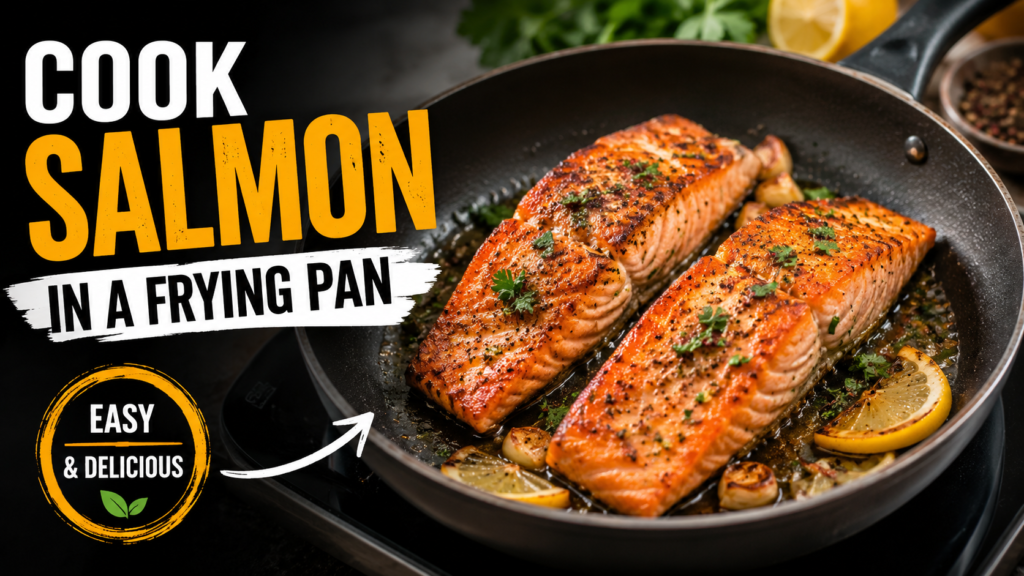
Quick Answer: To cook salmon in a frying pan, pat the fillet dry, season it, heat oil in a heavy pan over medium-high heat, and place the salmon skin-side down first. Cook about 4–6 minutes per side, without moving it too soon, until it flakes easily and reaches a safe internal temperature.
Pan-searing is one of the most reliable ways to cook salmon at home, but a lot of home cooks run into the same problems: skin sticking, a dry center, or uneven browning. This guide walks through how to cook salmon in a frying pan the way many experienced home cooks approach it — from choosing the right pan to knowing when the fillet is actually done.
Pan-Searing
Cookware Basics
Food Safety
Kitchen Technique
This article on RecipeTalkToday is for general educational and buying-guidance purposes only. It does not replace the manufacturer’s official manual, food safety guidance, or professional advice. Materials, specifications, and care instructions can vary by product and should be confirmed with the manufacturer before purchase or use. For product defects, suspected food-safety issues, or injuries such as burns or cuts, contact the manufacturer, a qualified professional, or seek medical help as needed.
What You Need Before You Start
Before you get into the actual cooking, a little prep makes a big difference. In daily cooking, I usually notice that most salmon problems trace back to a wet fillet, a pan that isn’t hot enough, or moving the fish too early. Getting these basics right sets you up for a much better result.
A Heavy, Stable Pan
A pan with even heat distribution helps the salmon cook consistently instead of scorching in spots. Thin pans tend to create hot spots that burn the skin before the inside is ready.
A Fillet Patted Fully Dry
Moisture on the surface creates steam instead of a sear. Many home cooks find that pressing the fillet between paper towels for a minute or two noticeably improves browning.
Oil With a Higher Smoke Point
An oil that can handle medium-high heat without smoking excessively, such as avocado or refined vegetable oil, helps you get a proper sear without burning flavor into the pan.
A Reliable Way to Check Doneness
A fork to test flakiness or an instant-read thermometer takes the guesswork out of knowing when the salmon is safely cooked through.
Pan Type Comparison for Salmon
Step-by-Step: How to Cook Salmon in a Frying Pan
Once your pan and fillet are ready, the actual process of how to cook salmon in a frying pan comes down to heat control and patience. Here’s a practical routine many home cooks follow.
Pat the salmon fillet completely dry with paper towels, then season both sides with salt and pepper or your preferred seasoning.
Heat 1–2 tablespoons of oil in the pan over medium-high heat until it shimmers but isn’t smoking heavily.
Place the fillet skin-side down and press it gently flat for the first few seconds to prevent curling.
Let it cook undisturbed for about 4–6 minutes. Resisting the urge to move it is what allows a proper crust to form.
Flip once the skin releases easily from the pan, then cook the second side for 2–4 minutes depending on thickness.
Check for doneness with a fork or thermometer, then remove the fillet from the pan promptly to avoid overcooking.
Let it rest for a minute or two before serving so the juices redistribute through the fillet.
Typical Searing Routine
This flow reflects a typical routine, not a strict lab-tested formula — timing will shift with fillet thickness and stovetop strength.
Getting the Temperature and Doneness Right
Salmon is considered safely cooked once it reaches an internal temperature that public health guidance identifies as adequate for fish, and the flesh turns from translucent to opaque and flakes easily with a fork. For specific minimum cooking temperatures, check current guidance from FoodSafety.gov rather than relying on visual cues alone.
Problem vs. Likely Cause
Safety note: Raw salmon should be kept refrigerated until cooking and handled on a separate cutting surface from ready-to-eat foods to help reduce cross-contamination. If you notice an unusual odor, texture, or color before cooking, check current guidance from the FDA on selecting and handling seafood, or contact your seller.
Common Mistakes When Pan-Searing Salmon
Even with a good pan, a few habits quietly work against a good result. Understanding how to cook salmon in a frying pan well often comes down to avoiding these small missteps rather than learning something entirely new.
- Overcrowding the pan: Multiple fillets lower the pan temperature and cause steaming instead of searing.
- Flipping too soon: This tears the skin and leaves it stuck to the pan surface.
- Using oil with too low a smoke point: This can burn and leave a bitter taste before the fish is done.
- Skipping the rest period: Cutting into the fillet immediately releases moisture that would otherwise stay in the flesh.
Skin Sticking? A Quick Troubleshooting Path
Is the pan properly preheated?
No → Heat 2–3 more minutes before adding fish
Did the skin release naturally when tested?
No → Wait 30–60 more seconds before flipping
This reflects a common troubleshooting routine, not a guaranteed fix for every pan or fillet.
Safe vs. Risky Practices
Tip: Many home cooks find that letting the salmon sit at room temperature for about 10–15 minutes before cooking can help it cook more evenly, as long as it isn’t left out longer than food safety guidance recommends.
Choosing the Right Pan and Tools
Not every pan performs the same way with fish. Matching the pan material to your skill level and stovetop can make the whole process noticeably easier.
Pan Material Fit Guide
Pan Care Checklist Dashboard
A practical checklist for everyday pan care, not a substitute for the manufacturer’s specific instructions.
This article may contain affiliate links. If you buy through these links, RecipeTalkToday may earn a small commission at no extra cost to you. We only mention products that fit the topic and recommend checking current specs and care instructions directly with the manufacturer.
Nonstick Frying Pan
A reliable nonstick surface can make daily cooking easier for beginners working on skin-on salmon, since it may support more even release without heavy oiling. Always confirm heat limits and care instructions with the manufacturer.
Thin Fish Spatula
A thin, flexible spatula can make it easier to slide under a delicate fillet without tearing the skin, which many home cooks find convenient for flipping salmon cleanly.
Pro Tips Experienced Cooks Use
Beginners often focus only on timing, but experienced home cooks pay attention to a few extra details: listening for a steady sizzle rather than silence or violent popping, tilting the pan slightly to baste the top of thicker fillets with hot oil, and choosing fillets of similar thickness when cooking more than one at a time.
What Matters Most for Crispy Skin (Practical Guide)
Drying the fillet
Pan preheating
Oil quantity
Seasoning style
This is a practical guide based on common kitchen experience, not lab-tested data.
Cleaning and Caring for Your Pan After Cooking Salmon
Fish residue can leave odors behind if a pan isn’t cleaned properly. Let the pan cool before washing, avoid sudden temperature changes that can warp some materials, and follow the manufacturer’s specific guidance for nonstick coatings, cast iron seasoning, or stainless steel care.
Mistake vs. Better Choice
Warning: Hot oil can splatter when moisture hits the pan. Keep a lid or splatter screen nearby, keep young children away from the stovetop, and never leave the pan unattended while the burner is on.
When to contact a professional or manufacturer: If a pan’s coating is flaking, warped, or damaged, stop using it and contact the manufacturer about a possible defect. If you suspect the salmon itself was unsafe before cooking, contact the seller or check current FDA seafood guidance. For burns or deep cuts while cooking, seek medical attention as needed.
Note: Cooking times in this guide are general starting points. Actual timing depends on fillet thickness, starting temperature, and your specific stovetop, so adjust based on how the fillet looks and feels rather than the clock alone.
Frequently Asked Questions
How long does it take to cook salmon in a frying pan?
Most fillets take about 4–6 minutes on the skin side and 2–4 minutes on the second side, depending on thickness, but check doneness visually rather than relying on time alone.
Do you cook salmon skin-side up or down first?
Most home cooks start skin-side down first, since the skin protects the flesh and helps it crisp before flipping to finish the other side.
Why does my salmon stick to the pan?
Sticking usually happens when the pan isn’t fully preheated or the fillet is flipped before the skin has naturally released. Give it a bit more time and it should lift more easily.
What is the best pan for cooking salmon?
Nonstick pans are easiest for beginners, while stainless steel, cast iron, or carbon steel can give a deeper sear once you’re comfortable managing heat and sticking.
How do I know when salmon is fully cooked?
The flesh should turn opaque and flake easily with a fork, and it should reach a safe minimum internal temperature. Check current guidance from FoodSafety.gov for specific temperature recommendations.
Can I cook frozen salmon straight in a frying pan?
It’s generally better to thaw salmon safely in the refrigerator first, since cooking it from frozen can lead to uneven results and makes it harder to judge doneness accurately.
Why is my pan-seared salmon dry in the middle?
Dryness is usually a sign of overcooking. Pulling the fillet from the pan as soon as it flakes easily, then letting it rest briefly, helps keep the center moist.
Learning how to cook salmon in a frying pan mostly comes down to a dry fillet, a properly heated pan, and patience while it sears. Once you’ve got that rhythm down, it becomes one of the quickest, most reliable weeknight meals in the kitchen. Always confirm care instructions with your cookware’s manufacturer, and seek professional or medical help for any product defects, food-safety concerns, or injuries.
— RecipeTalkToday
Sources referenced for general safety guidance: FoodSafety.gov — Safe Minimum Cooking Temperatures, FDA — Selecting and Serving Seafood Safely.
