By Michael Hayes — RecipeTalkToday
Quick Answer: To clean the underside of a frying pan, soak or scrub with a baking soda paste, use a non-scratch pad for stuck-on grease, and rinse well. For stubborn burnt spots, a mix of baking soda and vinegar can help loosen residue before wiping clean.
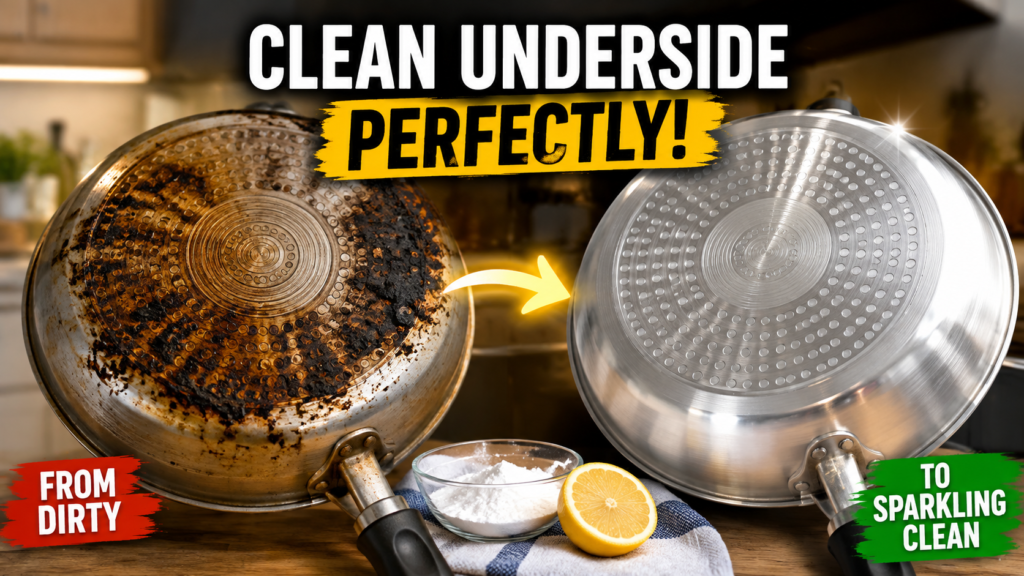
The underside of a frying pan often gets overlooked during regular cleanup, yet it collects heat stains, grease film, and stovetop residue over time. In daily cooking, I usually notice the bottom of a pan looks worse than the cooking surface simply because it never touches soap and water as often. This guide walks through practical, low-risk ways to clean the underside of a frying pan without damaging the metal or any protective coating.
Pan Cleaning
Cookware Care
Kitchen Maintenance
Stove-Top Care
This article on RecipeTalkToday is for general educational and buying-guidance purposes only. It does not replace the manufacturer’s official manual, food safety guidance, or professional advice. Materials, specifications, and care instructions can vary by product and should be confirmed with the manufacturer before purchase or use. For product defects, suspected food-safety issues, or injuries such as burns or cuts, contact the manufacturer, a qualified professional, or seek medical help as needed.
Why the Underside of a Frying Pan Gets So Dirty
The bottom of a pan sits directly over the burner, so it absorbs heat, smoke, and small grease splatters every time you cook. Unlike the cooking surface, it rarely gets scrubbed right after a meal, which lets residue bake on layer by layer. Over weeks, this can turn into a dark, sticky film that is harder to remove than fresh grease.
Knowing how to clean the underside of a frying pan matters for more than looks. A buildup of grease can smoke or smell when it heats up again, and heavy residue can make it harder to notice warping or damage to the pan’s base.
Cleaning Method Comparison by Pan Material
Step-by-Step: How to Clean the Underside of a Frying Pan
These steps work for most everyday grease and light burnt residue. Always check the manufacturer’s care guidance first, since some finishes need gentler handling.
Let the pan cool completely, then flip it over on a towel-lined counter or sink.
Mix baking soda with a little water to form a thick paste and spread it over the underside.
Let the paste sit for 10–15 minutes so it can loosen baked-on grease.
Scrub gently with a non-scratch pad, using circular motions on stubborn spots.
For darker burnt rings, add a splash of vinegar to the baking soda for extra lifting power, then scrub again.
Rinse thoroughly and dry with a clean towel so no moisture sits against the metal.
Typical Cleaning Routine Flow
This routine works well as a weekly habit rather than waiting for heavy buildup, which makes each cleaning session shorter.
Common Problems and What Causes Them
Not every stain on the underside of a frying pan comes from the same source. Matching the problem to the cause helps you pick the right fix instead of scrubbing harder than necessary.
Problem vs. Likely Cause
Safe Practices vs. Risky Shortcuts
Some quick fixes people try can actually make the underside of a frying pan harder to clean next time, or can damage the metal.
Safe vs. Risky Cleaning Practices
Simple Troubleshooting Path
This path helps you avoid over-scrubbing a pan that may need a different approach entirely.
Choosing the Right Tool for the Job
Picking the right tool makes cleaning the underside of a frying pan faster and reduces the risk of scratching the finish.
Tool Fit by Task
Common Mistakes to Avoid
Mistake vs. Better Choice
Weekly Maintenance Checklist
Following a short checklist like this keeps the underside of a frying pan from building up heavy residue between deep cleans.
What Experienced Home Cooks Check That Beginners Miss
Beginners usually focus only on visible grease. More experienced home cooks also check for uneven discoloration, which can hint at hot spots on the burner, and they check the pan’s edges where residue often hides. In daily cooking, I usually run a finger along the rim underneath after washing, since that spot is easy to miss with a sponge.
Tip: A quick wipe with a damp cloth right after the pan cools, before residue has time to bake on again, can make the next deep clean much easier.
Relative Cleaning Difficulty by Stain Type
This is a practical guide to typical routine priority, not a lab-tested measurement — actual difficulty varies by pan material and how long residue has been sitting.
When to Contact a Professional or the Manufacturer
If you notice warping, a coating that is bubbling or peeling, or a persistent burning smell that does not go away after a full cleaning, stop using the pan and reach out to the manufacturer. For any burns from a hot pan or cleaning chemical exposure, seek medical help as needed.
This article may contain affiliate links. If you buy through these links, RecipeTalkToday may earn a small commission at no extra cost to you. We only mention products that fit the topic and recommend checking current specs and care instructions directly with the manufacturer.
Non-Scratch Scrub Sponges
Many home cooks find a set of non-scratch sponges convenient for the underside of coated and stainless pans alike.
Baking Soda (Bulk Box)
A large box of baking soda can make daily cooking easier by keeping paste-based cleaning supplies always on hand.
Frequently Asked Questions
What is the easiest way to clean the underside of a frying pan?
A baking soda paste left on for 10–15 minutes, then scrubbed with a non-scratch pad, works for most everyday grease and light stains.
Can I use steel wool on the bottom of a pan?
Steel wool can scratch coated or polished finishes, so it is safer to use it only on uncoated cast iron and check the manufacturer’s guidance first.
Why does the underside of my frying pan turn dark or discolored?
Direct flame contact and repeated heating and cooling cycles are common causes of dark rings or discoloration on the pan’s base.
Is vinegar safe to use on the underside of a frying pan?
Vinegar mixed with baking soda is generally considered a mild cleaning option, but it is best to check manufacturer guidance for copper or specialty coatings before using it.
How often should I clean the underside of a frying pan?
A quick wipe after each use and a deeper baking soda clean weekly can help prevent heavy buildup from forming.
Does cleaning the underside affect how the pan cooks?
A cleaner underside can help the pan heat more evenly and may reduce smoking or odd smells during cooking, though results vary by stove type.
When should I stop trying to clean a stained pan myself?
If you notice warping, peeling coating, or persistent odor after multiple cleanings, it is best to contact the manufacturer rather than continuing to scrub.
Helpful Resources
For general kitchen safety and food-handling guidance, see the
FoodSafety.gov,
FDA, and
Consumer Product Safety Commission websites.
Cleaning the underside of a frying pan is a small habit that keeps cookware looking and performing better over time. Stick with gentle tools, avoid harsh shortcuts, and always confirm care instructions with your pan’s manufacturer. If you ever notice damage, persistent odors, or get burned during cleaning, reach out to the manufacturer or a medical professional as needed. — RecipeTalkToday