By Michael Hayes — RecipeTalkToday
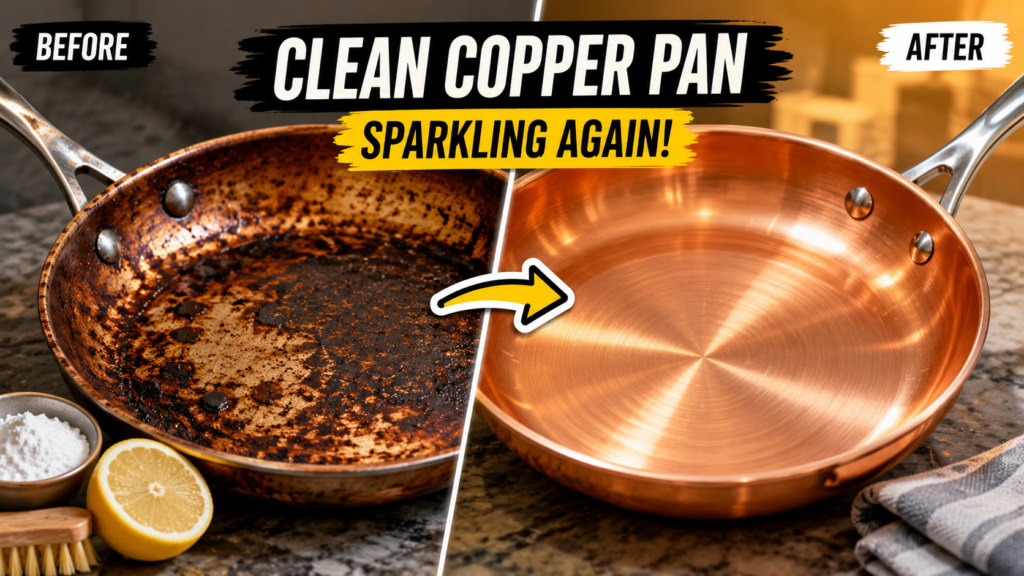
Quick Answer: To clean a copper non-stick frying pan, let it cool, wash it by hand with warm water and mild dish soap, and use a soft sponge only. Avoid metal scrubbers, high heat, and the dishwasher, since these can wear down the non-stick coating over time.
Copper non-stick frying pans are popular in many home kitchens because food tends to slide off easily and cleanup is usually quick. But the copper-infused coating is more delicate than plain stainless steel, so knowing how to clean a copper non-stick frying pan properly can make a real difference in how long it lasts. This guide walks through safe cleaning steps, common mistakes, and what to check before your next wash.
Cookware Cleaning
Kitchen Maintenance
Stain Removal
Cookware Safety
This article on RecipeTalkToday is for general educational and buying-guidance purposes only. It does not replace the manufacturer’s official manual, food safety guidance, or professional advice. Materials, specifications, and care instructions can vary by product and should be confirmed with the manufacturer before purchase or use. For product defects, suspected food-safety issues, or injuries such as burns or cuts, contact the manufacturer, a qualified professional, or seek medical help as needed.
What Makes Copper Non-Stick Pans Different
A copper non-stick frying pan usually has a base metal, often aluminum, coated with a copper-colored non-stick layer. The copper look is mostly cosmetic and functional for heat spread, but the surface still behaves like a standard non-stick coating underneath. That means it reacts to heat, scratching, and harsh cleaners in similar ways to other non-stick cookware.
Understanding this matters because treating it like heavy-duty stainless steel or cast iron can wear the coating down faster than expected. In daily cooking, I usually notice that pans cleaned gently right after use stay smoother and release food more easily over time.
Why Proper Cleaning Matters
Non-stick coatings are designed to be smooth and low-friction. Abrasive scrubbing, high heat, and certain cleaning products can wear that surface thin. Once the coating is scratched or flaking, food can start sticking again, and it may be time to check the manufacturer’s guidance on whether the pan is still safe to use.
Beginner Check
Look at the surface after each wash. If it feels smooth and even, the coating is likely intact. Small scratches are common but should not feel deep or rough.
Experienced Cook Check
Experienced home cooks often watch for uneven heating or flaking near the edges, which can signal the coating is thinning and worth reviewing against the manufacturer’s care guidance.
Step-by-Step: How to Clean a Copper Non-Stick Frying Pan
Let the pan cool completely before cleaning. Running cold water over a hot copper non-stick frying pan can warp the base and stress the coating.
Wipe out loose food or oil with a paper towel before washing. This step alone can make a big difference in how much scrubbing you need later.
Wash by hand with warm water and a few drops of mild dish soap. A soft sponge or non-abrasive cloth is usually enough for daily cleaning.
For stuck-on residue, soak the pan in warm soapy water for 10–15 minutes rather than scraping right away.
If a light film remains, try a paste of baking soda and water applied gently with a soft sponge, then rinse thoroughly.
Dry the pan fully with a towel right after washing to avoid water spots and reduce the chance of lingering moisture affecting the coating.
Store the pan with a soft pan protector or cloth between it and any stacked cookware to help prevent scratches.
Here’s a simple visual of the daily cleaning routine flow:
Following this order each time helps keep the non-stick surface performing well for longer.
Comparing Cleaning Methods
Common Problems and Likely Causes
Recognizing a problem early can help you decide whether it’s a simple cleaning fix or a sign the pan needs closer attention.
Problem vs Likely Cause
Common mistake: Using cooking spray directly on a copper non-stick pan can leave a sticky residue that builds up over time and is harder to clean than regular oil.
Safe vs Risky Cleaning Practices
A quick decision path for handling stuck-on food safely:
This path helps you avoid reaching for abrasive tools out of frustration.
Safe vs Risky Practice
A simple maintenance checklist dashboard for keeping the coating in good shape:
Checking these boxes regularly can help you notice wear before it becomes a bigger issue.
Choosing the Right Cleaning Tools
Not every sponge or brush is suited for a copper non-stick frying pan. Some tools marketed as “heavy duty” are actually meant for cast iron or stainless steel and can be too abrasive here.
Tool Fit for Copper Non-Stick Pans
Relative gentleness of common cleaning tools, as a practical guide:
Bar length reflects typical abrasiveness, not lab-tested data — longer bars mean more risk to the coating.
Helpful Products for Easier Cleanup
This article may contain affiliate links. If you buy through these links, RecipeTalkToday may earn a small commission at no extra cost to you. We only mention products that fit the topic and recommend checking current specs and care instructions directly with the manufacturer.
Non-Abrasive Dish Sponges (Multi-Pack)
Soft, non-scratch sponges can make daily cleaning easier without stressing the non-stick coating.
Silicone Kitchen Utensil Set
Silicone spatulas and turners may support more consistent daily use since they are gentle on non-stick surfaces compared to metal tools.
Pan Protector Sheets
Felt or fabric pan protectors placed between stacked cookware can help make daily storage easier and may reduce surface scratches from stacking.
Common Mistakes and Better Choices
Mistake vs Better Choice
When to contact the manufacturer or a professional: If the coating is flaking, peeling, or bubbling, if the pan warps significantly, or if you notice a persistent odor or residue after washing, check the manufacturer’s official guidance on whether the pan is still safe to use. For burns from a hot pan or deep cuts while handling cookware, seek medical help as needed.
Pro Tips for Longer-Lasting Results
Many home cooks find that using a small amount of oil, even on non-stick surfaces, helps with both cooking performance and cleanup. It can also help to avoid using cooking sprays that contain lecithin, since these tend to leave a residue that is harder to remove with regular washing.
Rotating between two pans, rather than using one copper non-stick frying pan for every single meal, can also reduce daily wear and give the coating more time to hold up over the years.
Frequently Asked Questions
Can I put a copper non-stick frying pan in the dishwasher?
Many manufacturers advise against it because dishwasher heat and detergent can wear down the coating faster. Hand washing is generally the safer routine, but always check the specific product’s care instructions.
How do I remove burnt-on stains from a copper non-stick frying pan?
Soak the pan in warm soapy water for 10–15 minutes, then gently clean with a soft sponge and a baking soda paste if needed. Avoid metal scrubbers.
Is it safe to use metal utensils on a copper non-stick pan?
Metal utensils can scratch the coating over time. Silicone, wood, or nylon utensils are generally a safer everyday choice.
Why does my copper non-stick pan have discoloration?
Discoloration is often from cooking at high heat or mineral buildup from hard water. It usually doesn’t mean the pan is unsafe, but it’s worth adjusting your heat level going forward.
How often should I deep clean a copper non-stick frying pan?
A gentle wash after every use is usually enough. A deeper clean with a baking soda paste can be done every couple of weeks or when residue builds up.
What should I do if the non-stick coating is peeling?
Stop using the pan for cooking and check the manufacturer’s guidance on replacement or warranty options, since a peeling coating may no longer be suitable for food contact.
Can I use vinegar to clean a copper non-stick frying pan?
A diluted vinegar and water rinse can sometimes help with mineral spots, but it should not replace regular soap and water washing, and shouldn’t be left soaking for long periods.
Helpful Resources
For general food-safe cookware and cleaning guidance, you can review official resources such as the
U.S. Food and Drug Administration and
FoodSafety.gov.
For questions about product recalls or cookware safety concerns, the
Consumer Product Safety Commission is a useful reference.
Cleaning a copper non-stick frying pan doesn’t need to be complicated. A gentle daily routine of hand washing, soft tools, and full drying goes a long way toward keeping the surface performing well. Always confirm specific care instructions and material details with the manufacturer, and seek professional or medical help for injuries, product defects, or ongoing food-safety concerns.
— RecipeTalkToday