
By Michael Hayes — RecipeTalkToday
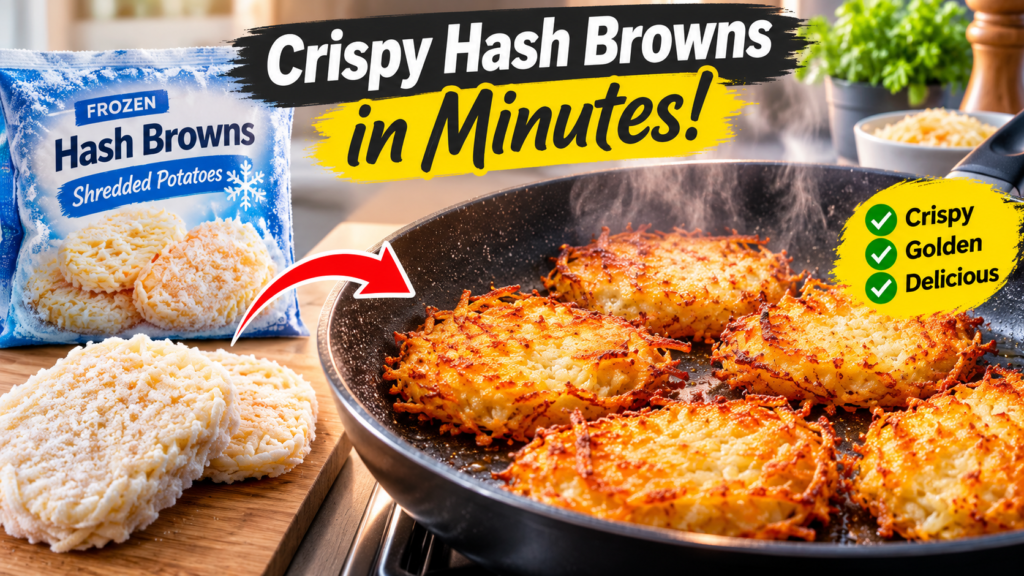
Quick Answer: To learn how to cook frozen hash browns in a frying pan, heat a thin layer of oil over medium heat, add the hash browns in a single layer without thawing, and cook 4–6 minutes per side until golden and crisp. Avoid crowding the pan and resist the urge to flip too often.
Frozen hash browns are one of the easiest breakfast shortcuts in the freezer aisle, but a lot of home cooks end up with a soggy, pale pile instead of a crisp golden crust. Getting this right in a frying pan mostly comes down to heat control, oil amount, and patience. This guide walks through the setup, the technique, common mistakes, and safety basics so your hash browns turn out consistently crisp.
Frying Pan Basics Crispy Texture Tips Heat & Oil Guidance Common Mistakes Kitchen Safety
This article on RecipeTalkToday is for general educational and buying-guidance purposes only. It does not replace the manufacturer’s official manual, food safety guidance, or professional advice. Materials, specifications, and care instructions can vary by product and should be confirmed with the manufacturer before purchase or use. For product defects, suspected food-safety issues, or injuries such as burns or cuts, contact the manufacturer, a qualified professional, or seek medical help as needed.
Why the Frying Pan Method Matters
Learning how to cook frozen hash browns in a frying pan gives you more control over texture than an oven or microwave. A frying pan lets you build a direct crust against hot metal, which is what creates that crisp shell around a soft interior. In daily cooking, I usually notice that the pan method also cooks faster than baking, which matters on busy mornings.
Understanding why the pan works the way it does helps you troubleshoot when results are inconsistent. Moisture, oil temperature, and pan surface all play a role, and each one is easy to adjust once you know what to look for.
How It Works: Heat, Oil, and Moisture
Frozen shredded or patty-style hash browns carry ice crystals on the surface. When they hit a hot pan, that moisture needs somewhere to go. If the pan is too cool or overcrowded, the released water steams the potatoes instead of frying them, which leaves you with a limp, pale result instead of a crisp one.
A thin, even layer of oil across a properly heated pan helps conduct heat consistently and supports browning. This is the core mechanic behind how to cook frozen hash browns in a frying pan without sogginess.
Basic Cooking Flow
Practical guide: this is a general routine, not a fixed formula — timing shifts with pan type and stove strength.
Before You Start: What to Check
A few quick checks before turning on the burner make a noticeable difference in the final texture and in kitchen safety.
A well-seasoned cast iron or a non-stick pan in good condition helps prevent sticking. Check for scratches or peeling coating, which can affect both texture and pan safety.
Only fill about two-thirds of the pan. Crowding is one of the most common reasons frozen hash browns turn soggy instead of crisp.
Neutral oils with a higher smoke point, such as canola or avocado oil, tend to hold up better at frying temperature than butter alone.
Turn pan handles inward and away from the edge of the stove to reduce the risk of accidental bumps or spills while cooking.
Comparison: Frying Pan vs Other Cooking Methods
Step-by-Step: How to Cook Frozen Hash Browns in a Frying Pan
Heat the pan over medium heat for 1–2 minutes, then add 2–3 tablespoons of oil so it coats the surface evenly.
Add the frozen hash browns straight from the freezer without thawing, spreading them into a thin, even layer.
Let them cook undisturbed for 4–6 minutes so a crust can form before you touch them.
Flip in sections using a thin spatula once the bottom looks golden brown and releases easily.
Cook the second side for another 4–5 minutes, seasoning with salt and pepper once both sides are set.
Transfer to a plate lined with paper towel briefly to catch excess oil, then serve immediately while crisp.
Tip: Many home cooks find that pressing the hash browns gently with a spatula right after adding them (not while flipping) helps them make better contact with the hot pan.
Safety and Hygiene Checks
Cooking with hot oil in a frying pan carries some basic risks worth keeping in mind, especially around splatter and handle placement.
Safety check: Keep a lid nearby in case of oil splatter, avoid adding frozen product to oil that is smoking, and never leave a hot pan unattended near children or pets. If a burn occurs, run cool water over the area and seek medical help if it is severe or does not improve.
Safe vs Risky Practice
Troubleshooting Decision Path
Practical guide: use this as a general troubleshooting order, not a strict diagnosis.
Common Problems and Fixes
Problem vs Likely Cause
Common Mistakes and Pro Tips
Beginners cooking frozen hash browns in a frying pan often skip preheating or add too much product at once. Experienced home cooks tend to check the oil for a faint shimmer before adding anything, and they leave space between the pan edge and the food pile so heat can circulate.
Mistake vs Better Choice
Care & Prep Checklist Dashboard
Typical routine priority: run through this list before every batch.
Choosing the Right Pan and Tools
The pan you use changes how evenly heat spreads, which affects how consistently your hash browns crisp up.
Product/Tool Fit Table
This article may contain affiliate links. If you buy through these links, RecipeTalkToday may earn a small commission at no extra cost to you. We only mention products that fit the topic and recommend checking current specs and care instructions directly with the manufacturer.
10-Inch Non-Stick Frying Pan
A well-maintained non-stick surface can make daily cooking easier when working with frozen hash browns, since food tends to release cleanly with less oil.
Thin Metal Fish Spatula
A thin-edged spatula may support more consistent results when flipping delicate hash brown patties, since it can slide underneath without breaking the crust.
Relative Priority Meter: What Affects Crispiness Most
Relative difficulty guide, not lab-tested data — individual stoves and pans vary.
What Experienced Cooks Check That Beginners Miss
Beginners often judge doneness by time alone. Experienced cooks judge by sound and smell — a steady sizzle and a light toasted aroma usually mean the pan is at the right temperature. They also let the hash browns rest undisturbed longer than feels natural, since moving them too soon breaks the crust before it fully sets.
When to Contact a Professional or Manufacturer
If your pan’s coating is peeling, if you notice a persistent burning smell from the pan itself, or if you suspect a food-safety issue with the product (such as an off smell before cooking), contact the manufacturer or check FoodSafety.gov for guidance. For burns that blister or do not improve, seek medical attention. For cookware safety recalls, you can check the Consumer Product Safety Commission website.
General cooking temperature guidance for potato-based frozen products is also available through USDA.gov if you want to confirm safe handling of frozen foods before cooking.
Frequently Asked Questions
Do I need to thaw frozen hash browns before frying?
No. Learning how to cook frozen hash browns in a frying pan works best when you skip thawing entirely, since thawed potatoes release extra moisture and can turn mushy.
What heat setting works best?
Medium heat is generally recommended, giving enough time for the inside to warm through while the outside browns without burning.
Why are my hash browns soggy in the middle?
This usually happens from overcrowding the pan or flipping too soon, which traps steam instead of letting it escape.
How much oil should I use?
A thin, even coating of about 2–3 tablespoons across the pan surface is generally enough to support browning without making the dish greasy.
Can I use butter instead of oil?
Butter adds flavor but can burn faster at frying temperature, so many home cooks combine a small amount of butter with a neutral oil.
Is it safe to cook frozen hash browns straight from the bag?
Yes, most packaged frozen hash browns are designed to go directly from freezer to pan. Always check the manufacturer’s package instructions for any specific handling notes.
What pan works best for a crispy crust?
Cast iron and well-maintained non-stick pans are commonly used for even, crisp browning, though results depend on proper preheating either way.
Once you understand how to cook frozen hash browns in a frying pan — enough heat, a thin oil layer, and patience before flipping — the results become easy to repeat. Always confirm specific care instructions with your pan’s manufacturer, and seek medical or professional help for any burns, injuries, or persistent food-safety concerns. — RecipeTalkToday
FAQ Schema
