By Michael Hayes
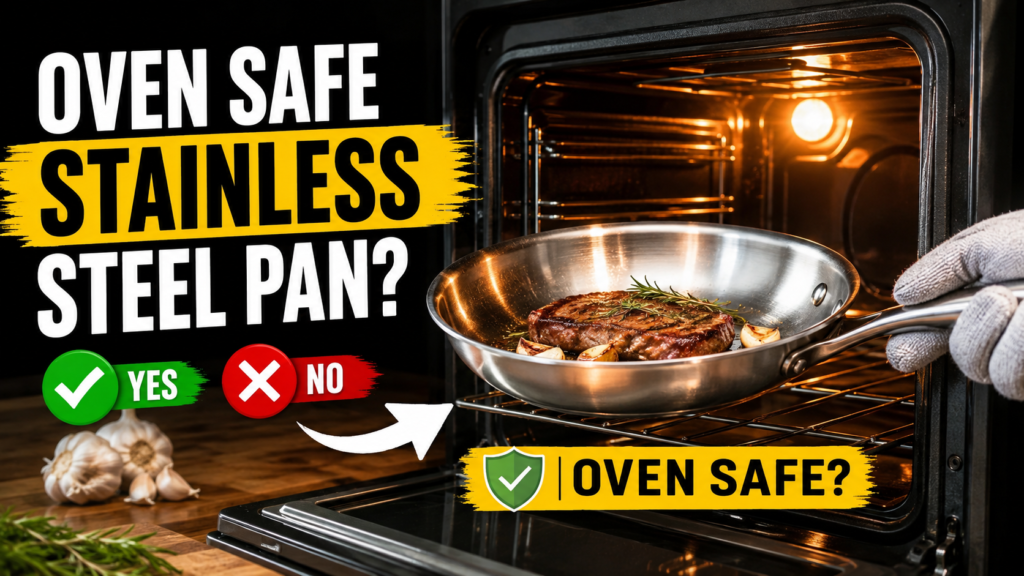
Quick Answer: Most stainless steel frying pans can go in the oven, but the safe temperature depends on the handle. Pans with solid stainless or riveted metal handles often tolerate high heat, while plastic, rubber, or wood handles usually cannot. Always check the manufacturer’s guidance before placing your pan in the oven.
If you’ve ever started a dish on the stovetop and wondered whether you can finish it in the oven, you’re not alone. Whether you can put a stainless steel frying pan in the oven depends on how the whole pan — not just the cooking surface — is built. In daily cooking, I usually check the handle and any attachments before assuming a pan can move from burner to oven.
This guide breaks down what actually makes a pan oven-safe, what temperature limits to expect, and what can go wrong if you skip the check.
This article is for general educational and buying-guidance purposes only. It does not replace the manufacturer’s official manual, food safety guidance, or professional advice. Materials, specifications, and care instructions can vary by product and should be confirmed with the manufacturer before purchase or use. For product defects, suspected food-safety issues, or injuries such as burns or cuts, contact the manufacturer, a qualified professional, or seek medical help as needed.
What “Oven-Safe” Actually Means for Stainless Steel
Stainless steel itself handles very high heat without warping or melting. This is why so many home cooks ask whether a stainless steel frying pan can go in the oven for finishing dishes like seared chicken, frittatas, or baked skillet meals. The metal body is rarely the problem. The parts attached to it usually are.
Most frying pans are made of more than one material. The cooking surface may be fully stainless, but the handle, handle sleeve, rivets, or lid knob can be plastic, silicone, wood, or a mixed-metal blend. These attachments often have a much lower heat tolerance than the pan body itself.
Why This Matters Before You Use the Oven
Getting this wrong can damage a pan or create a safety hazard. A plastic handle left in a hot oven can soften, discolor, or in some cases produce fumes. A wood handle can scorch or crack over repeated exposure. Neither situation is something you want to discover with a hot pan in your hands.
On the other hand, when the whole pan is genuinely oven-safe, moving a dish from stovetop to oven can help you finish cooking more evenly without dirtying a second dish. That convenience is exactly why the question of whether a stainless steel frying pan can go in the oven comes up so often in home kitchens.
How Pan Construction Affects Oven Safety
Fully stainless pans with a welded or riveted stainless handle are generally built to handle typical home oven temperatures. Pans with a non-stainless handle sleeve, decorative coating, or plastic component usually have a lower published limit, if they are rated for oven use at all.
Non-stick coatings add another layer to consider. Many non-stick coatings have their own maximum temperature listed by the manufacturer, and going above that limit is generally discouraged, separate from whatever the metal body can handle.
Cookware Material Comparison: Typical Oven Use
What to Check Before Using Your Pan in the Oven
Before deciding whether your stainless steel frying pan can go in the oven for a specific recipe, walk through a short checklist. This applies whether you’re a beginner or you’ve been cooking for years.
Handle Material
Look for a solid metal handle. If it’s wrapped in silicone, rubber, or plastic, check the manufacturer’s listed oven limit for that handle specifically.
Lid and Knob
If a lid is going into the oven too, check whether its knob is metal or plastic. A glass lid may also have its own separate temperature rating.
Coating Type
Non-stick or decorative coatings can have a lower maximum temperature than the raw metal underneath.
Printed Oven Symbol
Many pans stamp an oven-safe symbol and temperature rating on the base or packaging. This is often the fastest way to confirm.
Step-by-Step: Moving a Pan From Stovetop to Oven
Confirm the handle, lid, and coating are all rated for the oven temperature you plan to use.
Preheat the oven separately rather than placing an empty pan in first, unless your recipe specifically calls for a preheated pan.
Use oven mitts to move the pan, since a stainless steel handle heated on the stovetop can already be hot before it enters the oven.
Place the pan on a middle oven rack, away from the heating element, unless your recipe says otherwise.
When removing the pan, always use a dry oven mitt or pot holder. A damp cloth can transfer heat quickly and cause a burn.
Set the hot pan on a heat-safe surface, not directly on a countertop that could scorch or crack.
Stovetop-to-Oven Routine at a Glance
This simple flow shows the general order most home cooks follow when moving a pan into the oven.
This is a practical routine guide, not a substitute for your pan’s specific instructions.
Safety and Hygiene Checks Around Oven Use
Beyond heat tolerance, keep a few hygiene basics in mind. Make sure the pan is clean before it goes in the oven, since baked-on residue can smoke or burn. Avoid using a pan with a cracked or peeling coating in the oven, since damaged coatings can flake into food.
Note: Oven-safe ratings usually refer to the pan as sold. Adding an aftermarket handle cover, silicone grip, or replacement part can change the pan’s actual oven safety, even if the original pan was rated for high heat.
Decision Path: Can This Pan Go in the Oven?
Use this simple path as a general guide before your next bake.
🔲 Is the handle solid metal? → If yes, continue. If no, check the printed limit first.
🔲 Is there a non-stick or decorative coating? → If yes, confirm its separate temperature limit.
🔲 Does the recipe temperature stay under the lowest-rated part of the pan? → If yes, oven use is generally reasonable.
🔲 Still unsure? → Check the manufacturer’s manual or product page before using the oven.
This is a practical thinking guide, not an official safety rating.
Common Problems and Likely Causes
Common Mistakes to Avoid
One frequent mistake is assuming that because the pan body is stainless, the whole pan must be oven-safe. This is one of the most common reasons people ask whether their stainless steel frying pan can go in the oven only after something has already gone wrong.
Another mistake is skipping the printed temperature limit and guessing based on a similar pan. Ratings can vary between product lines, even from the same brand.
Tip: Many home cooks find it helpful to keep the original box or a photo of the base markings, since oven-safe symbols can fade over time with heavy use.
Safe Practice vs Risky Practice
What Experienced Home Cooks Check That Beginners Miss
Beginners often check whether a stainless steel frying pan can go in the oven, but stop there. More experienced cooks also check the oven rack position, avoid placing the pan directly under a broiler unless the pan is rated for it, and confirm the recipe’s temperature against the lowest-rated part of the pan, not just the metal body.
Pan Care Checklist Dashboard
A quick reference for keeping oven-safe cookware in good shape over time.
Warning: Never place a pan with a cracked handle, loose rivet, or visibly damaged coating in the oven. Structural damage can worsen under heat and increase the risk of the handle failing while hot.
Choosing the Right Pan for Oven-to-Table Cooking
If you regularly move dishes from stovetop to oven, it can help to choose cookware built for that purpose from the start, rather than checking limits every time.
Pan Fit by Cooking Style
Practical Guide: Relative Maintenance Priority
A general comparison of how much upkeep attention each cookware type typically needs, based on common home cooking routines.
Fully stainless pan
Non-stick coated pan
Uncoated cast iron
This is a practical routine guide reflecting typical upkeep habits, not lab-tested data.
When to Contact the Manufacturer or a Professional: If a pan’s handle loosens, cracks, or shows signs of separating from the body, stop using it in the oven and contact the manufacturer. If a coating is flaking into food or you suspect a defect, reach out to the manufacturer for guidance. For burns, deep cuts, or a kitchen fire, seek medical help or emergency services right away.
This article may contain affiliate links. If you buy through these links, we may earn a small commission at no extra cost to you. We only mention products that fit the topic and recommend checking current specs and care instructions directly with the manufacturer.
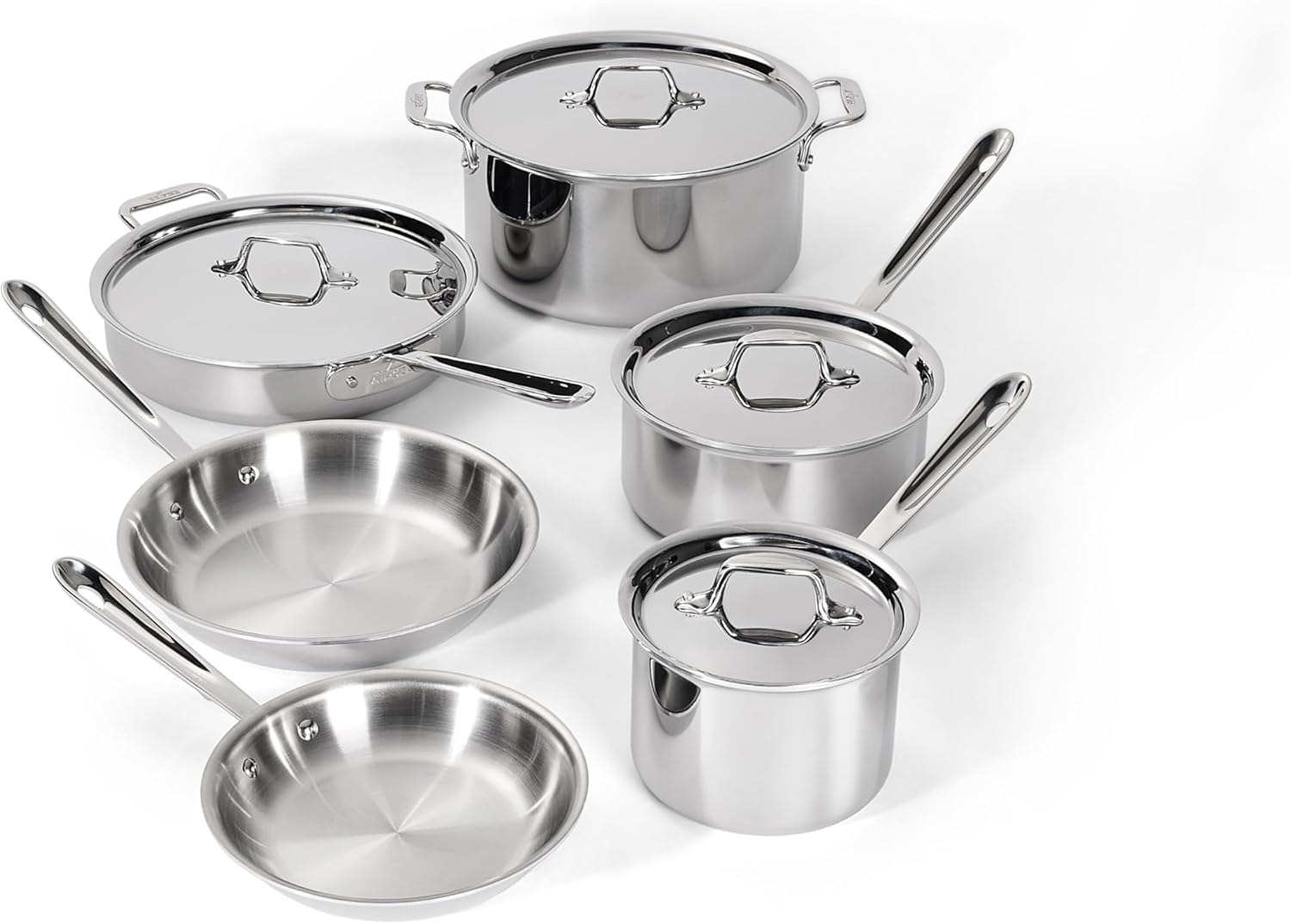
Fully Clad Stainless Steel Frying Pan with Metal Handle
A solid stainless handle design can make daily cooking easier for anyone who regularly moves pans from stovetop to oven. Always confirm the exact temperature rating on the product listing before use.
Oven-Safe Silicone Handle Covers (Rated Set)
For pans with an existing metal handle that gets uncomfortably hot, a rated handle cover may support more comfortable stovetop handling. These are typically not meant for oven use — check the product’s own labeling before any oven exposure.
Mistake vs Better Choice
Helpful references for general cookware and kitchen safety guidance include the U.S. Consumer Product Safety Commission and FoodSafety.gov, which cover general kitchen and food-handling safety topics.
Frequently Asked Questions
Can stainless steel frying pan go in the oven at any temperature?
Not always. Whether a stainless steel frying pan can go in the oven at a specific temperature depends on the handle, coating, and any attached parts. Check the manufacturer’s rating before using high heat.
How do I know if my pan’s handle is oven-safe?
Check the base of the pan for a printed oven symbol and temperature, or check the product manual. Solid metal handles are more commonly rated for higher heat than plastic or coated handles.
Is it safe to put a non-stick stainless pan in the oven?
It can be, but the non-stick coating usually has its own maximum oven temperature that may be lower than the metal body’s limit. Check the coating’s rating separately from the pan’s overall rating.
What happens if I put a non-oven-safe pan in the oven?
Non-rated parts like plastic handles can soften, discolor, or become damaged. If this happens, stop using the pan in the oven and check with the manufacturer about next steps.
Can I broil food in a stainless steel pan?
Only if the pan is specifically rated for broiler use, since broiler heat is more intense and closer to the pan than standard baking. Check the manufacturer’s guidance before broiling.
How do I clean a stainless pan after oven use?
Let the pan cool before washing to avoid warping from a sudden temperature change. Avoid running cold water over a pan that just came out of a hot oven.
When should I contact the manufacturer about my pan?
Contact the manufacturer if the handle loosens, the coating flakes, or you notice any damage that could affect safe oven use. For burns or injuries, seek medical help as needed.
In most cases, a stainless steel frying pan can go in the oven as long as every part of it — handle, lid, and any coating — is actually rated for the heat you plan to use. Take a minute to check the base markings or manual before your next bake, and confirm anything unclear directly with the manufacturer. If you ever notice damage, a loose handle, or signs of a defect, stop using the pan in the oven and reach out for guidance. For burns, cuts, or other injuries, seek professional or medical help as needed.