By Michael Hayes
Quick Answer: Most dutch ovens do not have true plastic handles on the pot itself. The main loop handles are usually cast iron, stainless steel, or enameled metal. Some lids use a knob made of phenolic resin, which looks like plastic but is heat-rated higher than standard kitchen plastic. Always check the manufacturer’s oven-safe temperature before high-heat cooking.
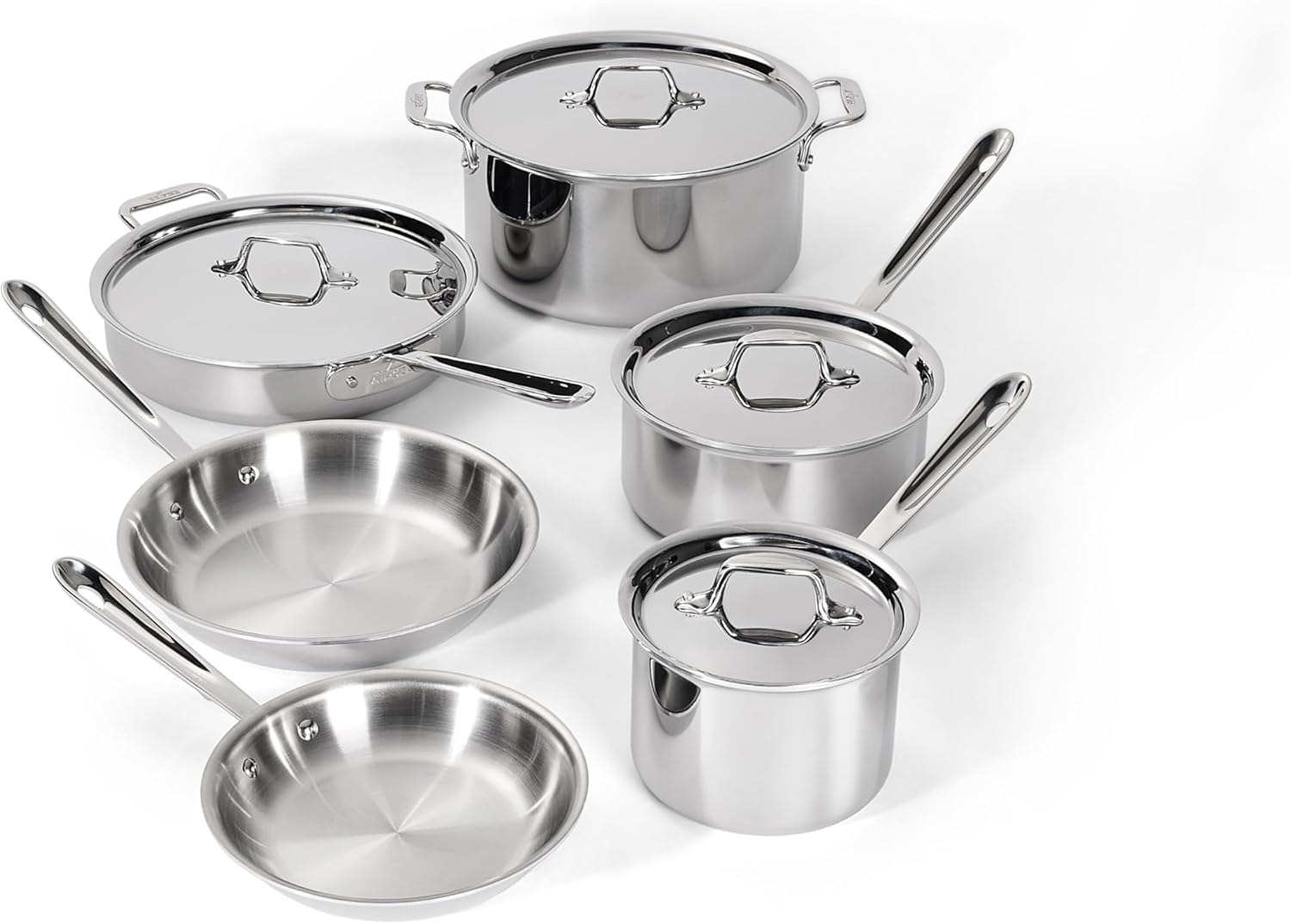
If you have ever wondered, do dutch ovens have plastic handles, you are not alone. It is a common question, especially for anyone who has seen a shiny black knob on a lid and assumed it was ordinary plastic. In daily cooking, I usually notice that the confusion comes from the look of the knob, not the actual material. This guide breaks down what dutch oven handles and knobs are really made from, how to check yours, and how to avoid a melted or cracked handle during high-heat cooking.
Cookware Materials
Oven Safety
Buying Guide
Trust & Accuracy Note: This article is for general educational and buying-guidance purposes only. It does not replace the manufacturer’s official manual, food safety guidance, or professional advice. Materials, specifications, and care instructions can vary by product and should be confirmed with the manufacturer before purchase or use. For product defects, suspected food-safety issues, or injuries such as burns or cuts, contact the manufacturer, a qualified professional, or seek medical help as needed.
What People Mean When They Ask “Do Dutch Ovens Have Plastic Handles?”
The question do dutch ovens have plastic handles usually comes from two places: the side loop handles on the pot, and the small knob on top of the lid. The side handles on almost every dutch oven, whether cast iron, enameled cast iron, or stainless steel, are part of the metal body or a separate metal loop. They are not plastic. The lid knob is a different story. Many mid-range and budget dutch ovens use a molded knob that looks like black plastic but is often phenolic resin, a heat-resistant material rated for oven use up to a certain temperature.
This matters because phenolic knobs are not rated for unlimited heat. A knob that looks fine at 350°F can warp, discolor, or even melt at higher broiler or high-heat oven temperatures. Knowing the difference between a true oven-safe knob and a standard plastic knob can protect your food, your cookware, and your kitchen.
Why Handle Material Matters More Than It Looks
A dutch oven is often used for searing on the stovetop and then finishing in the oven, sometimes at high temperatures for bread or braises. If the handle or knob material is not rated for that heat range, the risk is not just cosmetic damage. A softened knob can become difficult to grip safely, and in some cases, small amounts of degraded material could contact food if the knob is damaged enough to crack near the lid opening.
Beginners often assume that if the pot is oven-safe, every part of it is oven-safe to the same degree. Experienced home cooks check the knob and handle rating separately from the pot body rating, since manufacturers sometimes list a lower maximum temperature for the lid knob than for the pot itself.
How to Check Your Own Dutch Oven
Look at the underside of the lid knob or the base of the pot for a stamped temperature rating. If you cannot find one, check the product listing or manufacturer’s website. If neither source gives a clear number, treat the knob as limited to standard baking temperatures and avoid broiling with the lid on unless the manufacturer confirms it is safe.
Here is a simple routine to follow before your first high-heat bake with a new or unfamiliar dutch oven:
This is a practical routine, not a lab-tested procedure. Always confirm with your manufacturer’s documentation.
Common Handle and Knob Materials on Dutch Ovens
Manufacturers use a range of materials for handles and knobs, and each has different heat tolerance and care needs. Understanding these differences helps answer do dutch ovens have plastic handles for your specific cookware, since store listings do not always spell this out clearly.
Material Comparison Table
Note: Many home cooks find that a knob made of phenolic resin is often mistaken for standard plastic simply because of its matte black finish. Checking the manufacturer’s spec sheet is the only reliable way to confirm the exact material and heat rating.
What to Check Before Buying or Using a Dutch Oven
Before you buy, or before you use an inherited or secondhand dutch oven, a few checks can prevent a ruined knob or an unsafe cooking session.
Match the pot size to your household needs and your stovetop or oven space. A pot that barely fits your oven rack makes checking the handle and knob harder mid-cook.
Confirm both the pot body and the knob rating. Some listings only mention the pot, not the lid knob, so check the manufacturer’s page directly.
Higher-priced dutch ovens more often use metal handles and knobs throughout. Budget models are more likely to include a resin or plastic knob.
Check whether the manufacturer sells a metal replacement knob. This can extend the life of an otherwise good pot.
Safety and Hygiene Checks
Beyond heat tolerance, handle and knob condition affects everyday safety. A cracked knob or a loose handle screw is not just cosmetic; it can affect your grip while carrying a heavy, hot pot.
Safe vs Risky Practice Table
Warning: Never place a dutch oven with an unrated plastic or resin knob under a broiler, even briefly. Broiler heat can exceed the rating of many lid knobs, and a melted or scorched knob can drip onto food or the oven floor.
Common Problems and Likely Causes
Use this simple decision path when you are unsure if your dutch oven’s knob is safe for a specific recipe.
Is the temperature rating known? → If yes: is your recipe temperature at or below the rating? → If yes, proceed. If no, remove the lid or swap to a metal knob.
→ If the rating is unknown: treat as standard baking temperature only, and avoid broiling with the lid on.
This is a practical checklist, not a guarantee of safety for every product. Always confirm with your manufacturer.
Common Mistakes and Pro Tips
Mistake vs Better Choice
Tip: If your dutch oven came with a resin knob and you bake often at high temperatures, many home cooks find that switching to a manufacturer-approved stainless steel replacement knob can make daily cooking more convenient without worrying about heat limits.
What Experienced Cooks Check That Beginners Miss
Beginners often check only the pot’s oven-safe rating and stop there. Experienced home cooks also check the knob rating, the handle attachment hardware, and whether the enamel near the handle base shows any chipping, since chipped enamel near a handle joint can be an early sign of stress on that area.
Maintenance checklist dashboard for handles and knobs:
This is a practical routine checklist, not a certified maintenance schedule.
This article may contain affiliate links. If you buy through these links, we may earn a small commission at no extra cost to you. We only mention products that fit the topic and recommend checking current specs and care instructions directly with the manufacturer.
Product Options Worth Considering
If you are choosing a new dutch oven or replacing a damaged knob, these general product types are worth looking at. Always confirm exact specs and heat ratings with the manufacturer before buying.
Product Fit Table
Stainless Steel Replacement Dutch Oven Knob
A metal replacement knob can help you keep using a favorite pot without worrying about a resin knob’s lower heat limit.
Enameled Cast Iron Dutch Oven with Metal Handles
Choosing a dutch oven with metal handles and knob from the start can make high-heat cooking and broiling more straightforward for many home cooks.
Relative priority guide for choosing a handle or knob type (a practical guide, not lab-tested data):
Heat tolerance priority
This chart reflects typical routine priority for high-heat use, not certified test results.
When to Contact a Professional or the Manufacturer: Contact the manufacturer if you cannot find a clear heat rating for your knob or handle, if a knob melts, cracks, or discolors after normal use, or if you suspect a recalled or defective part. Seek medical help right away for any burn or cut from cookware, and stop using any dutch oven with visibly damaged or missing hardware until it is repaired or replaced.
Frequently Asked Questions
Do dutch ovens have plastic handles?
Most dutch ovens have metal side handles. The lid knob is often phenolic resin, which looks like plastic but is generally rated for higher heat than standard plastic. Always check the manufacturer’s rating to confirm.
How can I tell if my dutch oven knob is plastic or phenolic resin?
Check the underside of the knob or the product packaging for a material name and temperature rating. If it is unclear, contact the manufacturer directly before using high heat.
Can I put my dutch oven in the oven with the lid knob on?
Only if your recipe temperature stays at or below the knob’s rated limit. If you are unsure of the rating, it is safer to remove the lid or use a metal replacement knob.
Is it safe to put a dutch oven with a plastic knob in the dishwasher?
Not always. Some resin and plastic knobs are not dishwasher-rated. Check the manufacturer’s care instructions before washing.
What happens if a dutch oven knob melts in the oven?
A melted knob can drip onto food or the oven interior and should not be used again. Discard the affected food if there is any contact, and contact the manufacturer about a replacement part.
Can I replace a plastic or resin dutch oven knob with a metal one?
Many manufacturers sell metal replacement knobs that fit the same screw size. Check your manufacturer’s parts page to confirm compatibility before buying.
Do all dutch ovens have the same handle material?
No. Handle and knob materials vary by brand and price point. Check each product’s specifications individually rather than assuming based on appearance.
Helpful Authority Resources
For general product safety information, you can review the U.S. Consumer Product Safety Commission for cookware recall notices, and NSF International for background on cookware and food-contact material standards.
Final Thoughts: So, do dutch ovens have plastic handles? In most cases, the answer is no for the main handles, and only sometimes yes-looking for the lid knob, which is often phenolic resin rather than true plastic. Checking your specific pot’s rating, watching for cracks or discoloration, and confirming care instructions with the manufacturer are the best ways to keep your kitchen setup safe. For any injury, suspected defect, or unclear heat rating, contact the manufacturer or a qualified professional, and seek medical help for burns or cuts as needed.