
By Emma Hayes — RecipeTalkToday
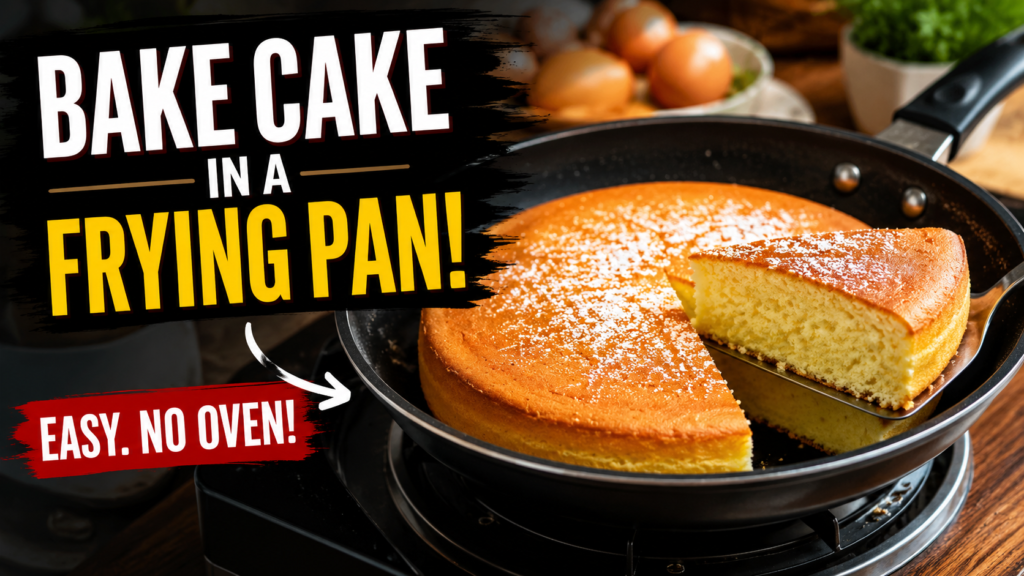
Quick Answer: Yes, you can bake a cake in a frying pan on the stovetop. Pour thin batter into a greased, oven-safe pan, cover with a tight lid, and cook on low heat for 20–30 minutes. Low, steady heat and a good lid are what make this method work.
No oven? No problem. This guide walks you through how to bake a cake in a frying pan safely, step by step, so you still get a soft, fully cooked cake without turning on an oven.
Stovetop Baking
No-Oven Recipes
Cookware Safety
Kitchen Basics
This article on RecipeTalkToday is for general educational and buying-guidance purposes only. It does not replace the manufacturer’s official manual, food safety guidance, or professional advice. Materials, specifications, and care instructions can vary by product and should be confirmed with the manufacturer before purchase or use. For product defects, suspected food-safety issues, or injuries such as burns or cuts, contact the manufacturer, a qualified professional, or seek medical help as needed.
What Does It Mean to Bake a Cake in a Frying Pan?
Baking a cake in a frying pan means cooking cake batter on the stovetop instead of in an oven. The pan sits over low, steady heat, and a tight-fitting lid traps warm air around the batter. That trapped heat works a bit like a mini oven, cooking the cake from the outside in.
This method is popular with people who don’t have a working oven, live in small spaces, or are cooking outdoors or in a dorm. In daily cooking, I usually notice this trick gets used most during power outages or in kitchens with only a stovetop.
Why This Method Matters
Not everyone has oven access. Renters in small studios, people in dorms, campers, and cooks dealing with a broken oven still want a real cake, not just a mug cake. Learning how to bake a cake in a frying pan gives you a backup method that doesn’t need special equipment.
It also matters for control. Stovetop heat is easy to adjust in real time, which can help beginners learn how heat affects batter without needing to guess at an oven’s hidden hot spots.
Frying Pan vs. Other No-Oven Cake Methods
What You Need Before You Start
Before you try to bake a cake in a frying pan, check a few things first. Using the wrong pan or skipping the lid is the most common reason this method fails.
Choose a heavy-bottomed pan that heats evenly. Thin pans create hot spots, which can burn the bottom of the cake before the middle sets.
The lid traps steam and heat, which helps the top of the cake cook. A loose or missing lid is a common reason batter stays raw in the center.
Baking works slowly. High heat browns the outside fast while leaving the inside undercooked, so patience matters more than speed here.
A lined or well-greased pan helps the cake release cleanly and reduces sticking, especially on older nonstick surfaces.
Step-by-Step: How to Bake a Cake in a Frying Pan
Grease the pan or line it with parchment paper, including the sides, so the cake doesn’t stick.
Pour in a thin layer of batter, no more than half an inch deep, so heat can reach the center faster.
Set the stove to its lowest heat setting before placing the pan on it.
Cover with a tight lid and let it cook undisturbed for about 10 minutes before checking.
Check every 5–10 minutes. If the edges brown too fast, lower the heat further.
Test the center with a toothpick. It’s done when the toothpick comes out clean.
Let the cake rest for a few minutes off the heat, then loosen the edges before flipping it out.
Visual guide: the stovetop baking routine
This flow is a practical guide, not a fixed timer. Real cooking times vary by pan, stove, and batter thickness.
Common Problems and Likely Causes
Troubleshooting Table
Safety check: Never leave a covered pan on heat unattended, and keep pot handles turned inward so they aren’t easy to bump. If a pan handle becomes loose, wobbly, or unusually hot to the touch, stop using it and check the manufacturer’s guidance before continuing.
Quick safety decision path
This is a general safety routine, not a substitute for professional first-aid guidance.
Common Mistakes vs. Better Choices
Mistake vs. Better Choice
Pro Tips Experienced Home Cooks Use
Turning the pan a quarter turn every few minutes can help even out hot spots on stoves with uneven burners.
A metal diffuser plate between the burner and pan spreads heat more evenly, which many home cooks find helpful for delicate batters.
Tip: A clear glass lid lets you watch the cake rise without lifting it, so you lose less heat while checking progress.
Choosing the Right Pan and Tools
Pan Material Fit Table
Pan care checklist after stovetop baking
This checklist reflects a typical routine priority, not a required schedule for every pan.
Safe vs. Risky Practices
Which tool fits your setup
Small nonstick pan with lid
Heavier pan plus a diffuser
Lightweight pan, closely watched heat
Use this as a practical guide for matching tools to your kitchen setup, not a strict rule.
Relative priority when baking on the stovetop
Lid seal quality
Heat level control
Batter thickness
Pan material choice
This reflects typical routine priority for home cooks, not scientific or lab-tested data.
This article may contain affiliate links. If you buy through these links, RecipeTalkToday may earn a small commission at no extra cost to you. We only mention products that fit the topic and recommend checking current specs and care instructions directly with the manufacturer.
A tight-fitting glass lid can make it easier to watch the cake without releasing heat, which many home cooks find convenient for stovetop baking.
A diffuser can help spread heat more evenly across the base of the pan, which may support more consistent results on stoves with strong hot spots.
Checking internal temperature can help you confirm the center is fully cooked without repeatedly cutting into the cake to test it.
When to contact a professional or manufacturer: If a pan warps, the handle loosens, the nonstick coating flakes, or you notice a persistent burning smell that isn’t from the food, stop using the pan and check the manufacturer’s care instructions. For burns, deep cuts, or a kitchen fire, seek medical help or contact emergency services right away.
Helpful Resources
For general kitchen safety guidance, you can check the Consumer Product Safety Commission and FoodSafety.gov for food handling basics.
Frequently Asked Questions
Can any frying pan be used to bake a cake on the stovetop?
Most pans work if they have a tight lid and heat evenly, but very thin pans or pans without a lid are not a good fit.
Why is my cake raw in the middle?
This usually means the heat was too high, the batter was too thick, or the lid didn’t seal well enough to trap heat.
Do I need to flip the cake while it cooks?
No. Flipping is not needed and can cause spills or burns. Keep the lid on and let heat circulate instead.
Is it safe to bake a cake in a nonstick pan?
Generally yes at low stovetop heat, but check the manufacturer’s guidance if the coating is scratched, peeling, or very old.
How long does it take to bake a cake in a frying pan?
Most thin cakes take about 20–30 minutes on low heat, though this varies by pan thickness and stove strength.
Can I use this method for layer cakes?
It works best for single, thin layers. Stacking layers made this way is possible, but each layer should be cooked and cooled separately.
What should I do if the pan handle feels loose?
Stop using the pan, let it cool, and check the manufacturer’s instructions before using it again to avoid injury.
Learning how to bake a cake in a frying pan is a handy backup skill for anyone without steady oven access. Keep the heat low, the lid on, and check your pan’s condition before each use. Always confirm care instructions with the manufacturer, and seek professional or medical help for injuries, product defects, or ongoing food-safety concerns. — RecipeTalkToday
