
By Michael Hayes
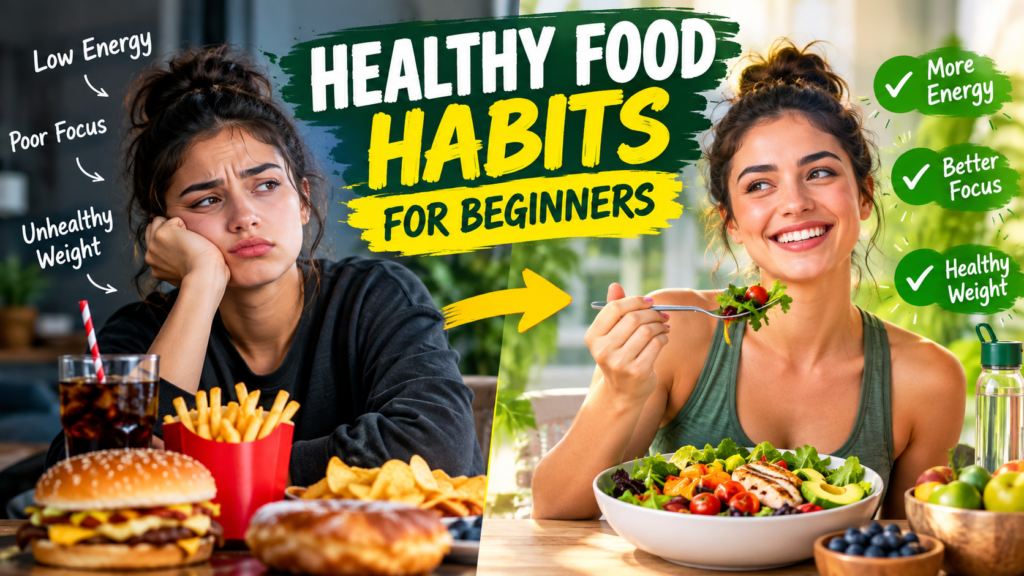
Quick Answer: Healthy food habits for beginners start small: plan a few meals, shop with a list, wash and prep produce, cook with simple methods, store leftovers safely, and repeat the routine weekly. Pick one or two changes first, then add more as they feel easy.
Starting a better eating routine can feel like a lot, especially when it looks like you need a perfect pantry. You do not. Lasting change comes from small kitchen routines you can repeat on a busy Tuesday. In this guide, you will learn how to plan, shop, prep, cook, and store food in simple, safe ways.
Kitchen TipsHome CookingMeal PlanningKitchen Safety
This article is for general educational and buying-guidance purposes only. It does not replace the manufacturer’s official manual, food safety guidance, or professional advice. Materials, specifications, and care instructions can vary by product and should be confirmed with the manufacturer before purchase or use. For product defects, suspected food-safety issues, or injuries such as burns or cuts, contact the manufacturer, a qualified professional, or seek medical help as needed.
What Healthy Food Habits Mean in a Real Kitchen
Healthy food habits for beginners are not about strict rules or expensive ingredients. They are small, repeatable actions, such as planning meals, washing produce, cooking with simple methods, and storing leftovers safely. Many home cooks find that a few steady routines work better than a big overhaul that fades after a week.
Plan Ahead
Write down three or four meals for the week. A short plan can reduce last-minute decisions and wasted groceries.
Shop With a List
Build your list from your plan and check your fridge first. This helps you buy what you will actually cook.
Prep Smart
Wash and chop a few ingredients when you have time. Ready-to-use produce can make weeknight cooking less stressful.
Store Safely
Cool leftovers promptly and use clean, covered containers. Good storage keeps meals ready and supports safer eating.
Starter Habits Compared
Use this comparison to choose your first one or two habits. Start with the lowest effort and build from there.
Build a Routine You Can Actually Keep
The best routine is the one that fits your schedule. Choose a full routine if you cook most nights: plan on Sunday and prep on Monday. Choose a lighter version if you cook a few times a week: plan only two meals and keep simple staples on hand. Experienced home cooks often keep a few go-to meals so they never decide from scratch.
Here is a simple weekly flow you can adjust.
Practical guide: weekly routine flow
Pick 3 meals
Buy from list
Wash and chop
Keep it simple
Cool and cover
Read the flow from left to right. If a week gets busy, skip one step instead of quitting the whole routine. Even planning and storing alone is a solid start.
Tip: Keep one “lazy dinner” ready, such as eggs and vegetables or a simple soup, so a rushed night does not break your routine.
Plan and Shop Without Waste
Planning does not need an app. A sticky note on the fridge works well. Write down your meals, then list only what you do not already have, and use older items first. A realistic example: if you plan a chicken stir-fry, rice bowls, and vegetable soup, one bag of mixed vegetables and one onion can support all three. Overlapping ingredients keep your list short and your fridge clear.
Common Problems and Likely Causes
Note: Reading package labels can help you compare foods, but details vary by product. Check the package itself for current ingredients and storage directions.
Prep and Cook with Simple Methods
You do not need advanced skills. Roasting, steaming, sautéing, simmering, and baking are beginner-friendly methods that can use modest amounts of oil and basic seasonings. Choose roasting for many vegetables, simmering for soups and beans, and sautéing for quick weeknight meals. Avoid trying everything at once: learn one new method per week. Check the manufacturer’s guidance if you are using a new appliance, such as an air fryer or slow cooker.
Your First-Week Starter Plan
Following healthy food habits for beginners works best in order. Try these five steps.
- Pick three dinners. Write the ingredients next to each one.
- Shop from your list. Check what you already own first.
- Wash your hands, then prep. Wash and chop two or three vegetables.
- Cook one batch item. Rice, beans, or roasted vegetables are easy choices.
- Store with care. Cool leftovers, label the date, and refrigerate.
Food Safety Habits Every Beginner Needs
Safe handling protects the effort you put into healthy food habits for beginners. Keep raw meat, poultry, and seafood away from ready-to-eat foods, wash hands and surfaces often, and use a thermometer to check doneness. Current guidance is available at FoodSafety.gov and the USDA, which lists 165°F as the safe minimum for poultry.
Safer Practices vs Risky Practices
Warning: Do not taste food to decide whether it is safe. If you are unsure how long something has been stored, throw it out.
Use this quick path when you find cooked food left out.
Practical guide: leftover decision path
The USDA notes the window is shorter in very hot weather, so check current guidance for your situation.
Here is a short daily checklist to build into your routine.
Care checklist: daily kitchen safety
Treat this as a habit stack. Once these four feel automatic, you will cook with more confidence.
Safety Note: Storage times and temperatures vary by food. Confirm current guidance with FoodSafety.gov or the USDA and follow package directions.
Kitchen Tools That Support Your Routine
You can start with a knife, cutting board, pots, and pans. A few extra tools can make habits easier to keep, but they are optional. Check the manufacturer’s care instructions before buying or using any of them.
Tool Fit Guide
This meter shows which tools many beginners add first.
Tool fit dashboard: typical first purchases
Start with the top two if your budget is tight. The rest can wait until your routine feels stable.
This article may contain affiliate links. If you buy through these links, we may earn a small commission at no extra cost to you. We only mention products that fit the topic and recommend checking current specs and care instructions directly with the manufacturer.
Meal Prep Storage Containers
Containers with lids can make daily cooking easier by keeping leftovers organized. Check the maker’s instructions for microwave and dishwasher use.
Instant-Read Food Thermometer
Many home cooks find a thermometer more reliable than guessing by color. Confirm current specifications and use directions with the manufacturer.
Common Beginner Mistakes to Skip
Most setbacks with healthy food habits for beginners come from trying to do too much, too fast. A realistic plan beats a perfect one, and a missed day is not a failure.
Mistakes and Better Choices
This chart shows a typical routine priority for beginners.
Typical routine priority (practical guide, not scientific data)
Food safety basics: Highest
Meal planning: High
Produce prep: Medium
Batch cooking: Later
Safety and planning come first because they make every other habit easier. Batch cooking can wait until the basics feel natural.
When to Contact a Professional or Manufacturer: If you suspect a food-safety problem, follow FoodSafety.gov guidance or contact your local health department. If an appliance or container is damaged or defective, stop using it and contact the manufacturer. For burns, deep cuts, or illness after eating, seek medical help. For personal diet or medical questions, talk with a qualified professional.
Frequently Asked Questions
What are healthy food habits for beginners?
They are simple, repeatable routines: planning a few meals, shopping from a list, washing and prepping produce, cooking with basic methods, and storing leftovers safely.
How do I start without feeling overwhelmed?
Pick one habit, such as writing a three-dinner plan, and practice it for a week before adding another.
How long can I keep cooked leftovers?
USDA guidance generally says cooked leftovers are best used within three to four days in the refrigerator. Confirm current guidance at FoodSafety.gov.
Do I need special kitchen equipment?
No. A knife, cutting board, pots, pans, and clean containers cover most basics. A food thermometer is a helpful extra.
Is meal prep safe for beginners?
It can be when you cool food promptly, use clean covered containers, label dates, and reheat leftovers to 165°F.
When should I get professional advice?
Talk to a doctor or registered dietitian for personal diet or medical needs. Contact local health authorities or the manufacturer for food-safety or product concerns.
Final Thoughts
Healthy food habits for beginners grow from small, steady steps, not perfection. Start with one routine, follow food-safety guidance, and check manufacturer instructions for appliances, containers, and tools. If you face a serious problem, such as an injury or suspected foodborne illness, seek professional or medical help.
