
By Michael Hayes
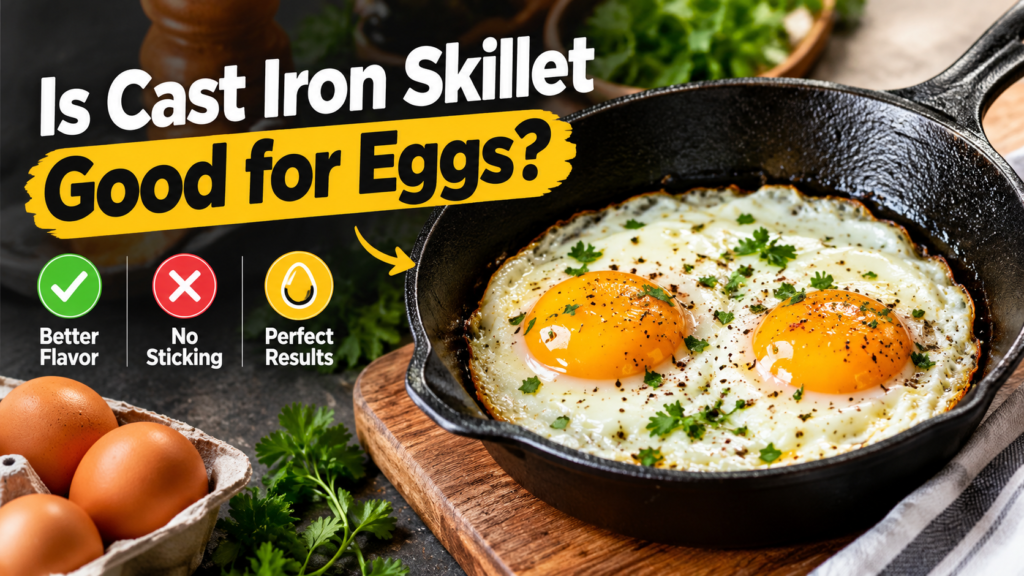
Quick Answer: Yes, a well-seasoned cast iron skillet can cook eggs very well. Preheat it gently, add enough fat, and use medium-low heat. It may stick if the seasoning is thin, the pan is too hot, or the eggs go in too early. Beginners may find a nonstick pan easier at first.
Home cooks often ask, is cast iron skillet good for eggs, or will breakfast weld itself to the pan? The answer depends on seasoning, heat, and fat more than on the pan’s reputation. This guide explains what works, what goes wrong, and how to decide if cast iron fits your morning routine. You will learn how to fix sticking, compare pans, and cook eggs more safely.
Kitchen TipsCookwareHome CookingCast Iron
Accuracy Notice: This article is for general educational and buying-guidance purposes only. It does not replace the manufacturer’s official manual, food safety guidance, or professional advice. Materials, specifications, and care instructions can vary by product and should be confirmed with the manufacturer before purchase or use. For product defects, suspected food-safety issues, or injuries such as burns or cuts, contact the manufacturer, a qualified professional, or seek medical help as needed.
Is Cast Iron Skillet Good for Eggs? The Short Answer
Yes, it can be, once the pan is ready. Cast iron holds heat well, so cold eggs do not drop the pan temperature as much as they do in a thin pan. That steady heat can give fried eggs crisp, lacy edges and scrambled eggs a soft, even set.
The catch is the surface. Cast iron is not naturally slick. A smooth, well-built seasoning layer and a little fat do the work that a nonstick coating does in other pans. Choose cast iron if you cook eggs often and enjoy pan care. Avoid it for now if your pan is rusty, rough, or newly stripped.
How Cast Iron Handles Eggs Compared With Other Pans
Egg proteins grab onto metal as they set, and high heat makes them grab harder. Searches such as “is cast iron skillet good for eggs” often come from cooks who tried once and had breakfast stick. Cast iron heats slowly and stays hot, so low and patient wins.
Cast Iron vs Nonstick vs Stainless for Eggs
Check Your Seasoning Before You Crack an Egg
Seasoning is a thin layer of baked-on oil. A healthy layer looks dark and evenly satin, and it feels smooth and dry. If your skillet looks gray, patchy, or feels sticky, eggs will likely cling. Run a fingertip over the cool cooking surface. Bumps, rust spots, or tacky areas point to a pan that needs care first.
Experienced cooks also listen to the pan. A faint sizzle as butter melts is a good sign, while smoke means the heat is too high.
Note: Many pre-seasoned pans still improve with use. Follow the maker’s seasoning and care directions, since finishes vary by brand.
Here is a simple egg routine at a glance.
Treat this as a practical guide, not a strict timer. The last step matters because cast iron keeps cooking eggs after the burner stops.
How to Cook Eggs in a Cast Iron Skillet (Step by Step)
Use this routine for fried or scrambled eggs.
Tip: Crack eggs into a small bowl first. You can check for shell, and pouring them in together keeps timing even.
Best Egg Styles for Cast Iron
Still wondering, is cast iron skillet good for eggs in every style? Mostly yes, with a few notes.
Crisp edges and tender whites are a strength here. Use medium-low heat and enough fat so the whites release.
Soft curds work well when you stir gently and pull the pan from heat early. Leftover pan heat can turn them dry.
A well-seasoned pan lets a thin omelet slide. A smaller pan gives a neater fold.
Cast iron can move from stovetop to oven for frittatas. Use mitts, since the handle stays hot.
Egg Problems and Likely Causes
Use this table when eggs misbehave.
Follow this path when eggs stick.
Fix the seasoning first, then the technique. Changing both at once makes the cause harder to spot.
Warning: Cast iron pans and handles stay very hot. Use a mitt, and never grab a handle that has been on the stove or in the oven.
Safe Practice vs Risky Practice
For current egg-handling advice, see FoodSafety.gov and the USDA.
Safety Note: Raw eggs can carry bacteria. Cook them until whites and yolks are firm, especially for children, older adults, pregnant people, or anyone with a weakened immune system. Wash hands and tools after touching raw eggs.
After breakfast, a short care routine protects your seasoning.
Remove food bits with a soft brush or cloth. Do it soon after cooking.
Use hot water and a gentle scrubber. Follow the maker’s soap guidance.
Towel dry, then warm briefly on the stove. Moisture invites rust.
Rub on a very light coat if the maker advises it. Wipe off extra.
Skip long soaks and harsh scrubbing unless the manufacturer says otherwise. Rust or sticky buildup means it is time to check the maker’s care guide.
Tool and Material Fit for Cast Iron Eggs
Pick tools that protect the surface.
This dashboard compares pans by cooking style.
You enjoy pan care and heat control. You cook eggs most mornings.
You want the easiest release. You prefer quick cleanup.
You like easy scrubbing. You are fine using a bit more fat.
You cook on induction or in the oven. Limits vary by pan.
Before buying, ask yourself, is cast iron skillet good for eggs in your kitchen, on your stove, with your habits? If the answer is unsure, start with the pan you own and test it.
Common Egg Mistakes and Better Choices
Most sticking problems trace back to a few habits.
This chart shows what to focus on first. It is a practical guide, not lab data.
Seasoning and heat deserve the most attention. Tools matter, but they rarely rescue a pan that is too hot.
When to Contact a Professional or Manufacturer: Contact the maker if a pan cracks, warps, flakes, or has deep pitting you cannot fix. Report dangerous product defects through the CPSC. For serious burns, seek medical care right away.
Helpful Cookware for Egg Mornings
This article may contain affiliate links. If you buy through these links, we may earn a small commission at no extra cost to you. We only mention products that fit the topic and recommend checking current specs and care instructions directly with the manufacturer.
A mid-size pan can make daily egg cooking easier. It may support more consistent results when you manage heat well.
Many home cooks find a soft spatula convenient for scrambled eggs. It is also gentle on seasoning, but check the maker’s heat limits.
Frequently Asked Questions
Is cast iron skillet good for eggs for beginners?
It can be, but it takes practice. Start with a seasoned pan, medium-low heat, and enough fat. A nonstick pan may feel easier at first.
Why do eggs stick to my cast iron skillet?
Common causes include thin seasoning, too little fat, and heat that is too high or too low. Fix the seasoning first, then adjust heat.
Should I use butter or oil for eggs in cast iron?
Either can work. Butter adds flavor but browns quickly, so keep the heat gentle. Oil tolerates heat better. Use whichever suits your recipe.
Can I wash a cast iron skillet after cooking eggs?
Yes. Many makers say a quick wash and thorough drying are fine. Avoid long soaking, and follow the manufacturer’s care instructions.
Do eggs cooked in cast iron taste metallic?
Usually not when the pan is well seasoned. A rough or bare surface may add a slight metallic taste or tint to eggs.
What size cast iron skillet is best for eggs?
An 8 to 10 inch pan suits one or two eggs. A 10 to 12 inch pan suits larger batches. Check the listed size before buying.
Final Thoughts
So, is cast iron skillet good for eggs? It can be, when seasoning, gentle heat, and patience come together. Check the manufacturer’s instructions for your pan, follow food-safety guidance for eggs, and seek professional or medical help for serious problems such as cracked cookware or burns.
