
By Michael Hayes
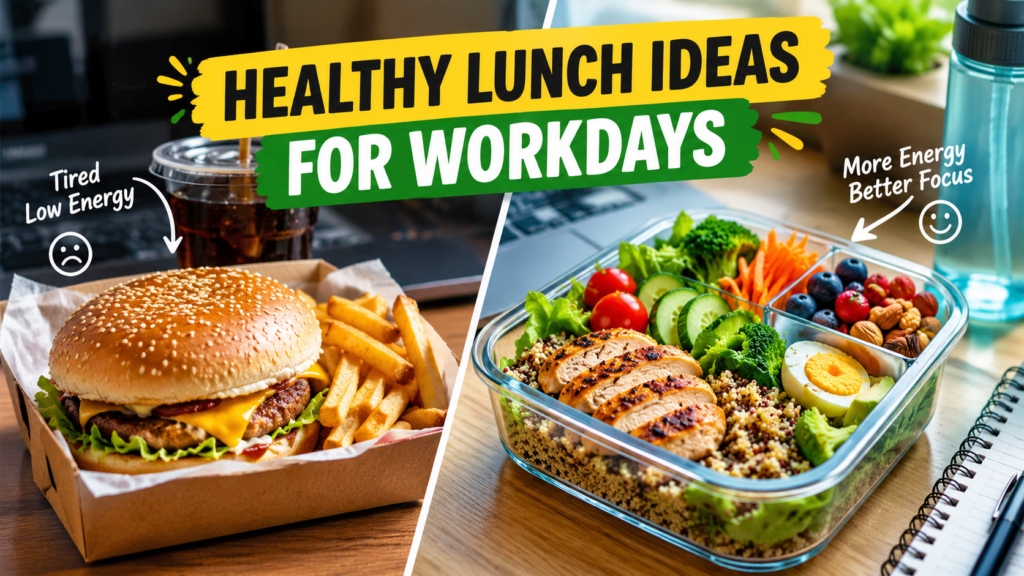
Quick Answer: Healthy lunch ideas for workdays combine protein, fiber-rich carbs, vegetables, and a little healthy fat. Grain bowls, wraps, soups, and bento boxes work well. Prep ahead, keep cold food cold, and reheat leftovers until steaming hot.
By noon, many of us are hungry, short on time, and tempted by takeout. A little planning solves that. This guide shows you how to build a balanced lunch, prep it in one short session, and pack it safely.
You will learn a simple lunch formula, practical meal ideas, a step-by-step prep routine, food-safety basics, and gear that can make packing easier.
Kitchen Tips Meal Prep Home Cooking Food Safety
This article is for general educational and buying-guidance purposes only. It does not replace the manufacturer’s official manual, food safety guidance, or professional advice. Materials, specifications, and care instructions can vary by product and should be confirmed with the manufacturer before purchase or use. For product defects, suspected food-safety issues, or injuries such as burns or cuts, contact the manufacturer, a qualified professional, or seek medical help as needed.
What Makes a Lunch Healthy at Work?
A healthy workday lunch does not need to be fancy. In practical terms, it keeps you full, includes vegetables or fruit, and fits your real schedule. Many home cooks find that four parts work well: protein, fiber-rich carbs, vegetables, and a small amount of fat for flavor.
When you search for healthy lunch ideas for workdays, you are really solving three problems at once: taste, time, and safety. The food should taste good at noon, take little effort in the morning, and stay safe for several hours.
Note: “Healthy” looks different for each person. Allergies, medical needs, and food traditions all matter. If a doctor or dietitian gave you an eating plan, follow that first and use these ideas as general kitchen inspiration.
A Simple Four-Part Lunch Formula
Use these building blocks to turn almost any leftover into a balanced lunch.
Protein
Chicken, eggs, beans, lentils, tofu, tuna, or Greek yogurt can anchor the meal. Cook a batch ahead so lunch takes two minutes to assemble.
Fiber-Rich Carbs
Brown rice, quinoa, whole-wheat wraps, or roasted potatoes add steady fuel. Cook extra at dinner and pack it the next morning.
Vegetables and Fruit
Cucumbers, peppers, carrots, roasted broccoli, and berries add color and crunch. Sturdy vegetables hold up better in a lunch bag than delicate leaves.
Flavor and Fat
Olive oil dressing, avocado, nuts, or hummus make lunch feel satisfying. Pack sauces separately so food stays fresh.
Choose this formula if you dislike planning. Check with a health professional first if you follow a structured medical meal plan.
Popular Packable Lunch Styles Compared
Your Weekly Lunch Prep Flow
This flow shows how a week of lunches can come together without a huge time commitment.
Practical guide
Pick 2–3 lunches
Use a list
Protein and grains
Portion, refrigerate
Pack and go
Read it left to right. You are cooking components, not full meals, so you can mix and match through the week.
Healthy Lunch Ideas for Workdays You Can Pack Tonight
These six ideas use simple ingredients and travel well.
Chicken Quinoa Bowl
Top cooked quinoa with sliced chicken, cucumber, tomatoes, and lemon-olive oil dressing. It tastes good cold, so no microwave is needed.
Chickpea Salad Wrap
Mash chickpeas with Greek yogurt, celery, and herbs, then roll in a whole-wheat wrap. Keep it chilled with an ice pack.
Lentil Vegetable Soup
One pot makes several lunches. Cool it promptly, portion it, and reheat until steaming hot.
Turkey Bento Box
Pack sliced turkey, whole-grain crackers, baby carrots, grapes, and cheese. It feels like a snack plate but covers protein, fiber, and produce.
Veggie Egg Fried Rice
Use chilled cooked rice, scrambled egg, peas, and carrots with a splash of low-sodium soy sauce. Reheat until hot all the way through.
Black Bean Burrito Bowl
Layer brown rice, black beans, and corn. Pack salsa and avocado separately so the bowl stays fresh.
Tip: On Sunday, cook one protein, one grain, and two vegetables. Turn them into a bowl on Monday, a wrap on Tuesday, and a salad on Wednesday.
Common Lunch Problems and Likely Causes
How to Keep a Packed Lunch Safe
A lunch can sit for hours, so safety matters as much as taste. Use this path each morning.
Lunch Safety Decision Path
If you answer “yes” to the last question, do not taste-test the food. Discarding it costs less than getting sick.
Safe vs Risky Lunch Habits
Warning: Do not leave perishable food out for more than two hours, or one hour above 90°F. Cold foods should stay at or below 40°F.
Accuracy/Safety Note: Time and temperature guidance can be updated. Confirm current rules at FoodSafety.gov, USDA, or FDA.
Step-by-Step: Prep a Week of Lunches
Following these steps can make healthy lunch ideas for workdays far easier to repeat.
Lunch Gear Care Checklist
Clean gear helps keep food safe and fresh. Use this quick checklist.
Follow the maker’s care instructions, since materials and dishwasher limits vary.
Lunch Gear That Can Make Packing Easier
Good gear can make healthy lunch ideas for workdays more convenient, though it is optional. Match the tool to your office setup.
Lunch Gear Fit Guide
Which Gear Fits Your Workday?
Choose an insulated bag with an ice pack. It helps keep perishable food cold.
Choose containers labeled microwave-safe. Vent the lid as directed.
Choose an insulated food jar. Follow its care and holding-time guidance.
Choose small dressing cups. Leak-proof lids keep greens crisp.
Choose based on your office setup rather than buying everything. Avoid containers that are cracked, warped, or damaged.
This article may contain affiliate links. If you buy through these links, we may earn a small commission at no extra cost to you. We only mention products that fit the topic and recommend checking current specs and care instructions directly with the manufacturer.
Insulated Lunch Bag With Ice Pack
Can make cold lunches easier to carry and may help keep perishable food chilled on the commute.
Glass Meal Prep Containers
Many home cooks find these convenient for batch cooking, portioning, and reheating, if the maker’s limits allow.
Common Workday Lunch Mistakes
Even the best healthy lunch ideas for workdays fall flat when small habits get in the way.
Mistakes and Better Choices
What Matters Most in a Packed Lunch
This chart shows a rough ordering of priorities, not scientific data.
Typical routine priority
Safety and satisfaction come first. Fancy ingredients matter least, so keep your plan simple and repeatable.
When to Contact a Professional or Manufacturer: Call a doctor if you feel ill after eating, and report suspected food-safety problems to your local health department. Contact the manufacturer if a container cracks, warps, or overheats. Ask a doctor or dietitian about allergies or medical diets.
Frequently Asked Questions
What are some healthy lunch ideas for workdays without a microwave?
Try grain bowls, chickpea wraps, pasta salads, or bento boxes. Pack them with an ice pack in an insulated bag.
How do I keep a packed lunch safe until noon?
Keep perishable foods at or below 40°F with an insulated bag and ice pack. Do not leave them out for more than two hours.
How long do meal-prepped lunches last in the fridge?
Cooked leftovers are generally best eaten within about 3–4 days. Freeze portions you will not eat in that time.
How can I stop salads from getting soggy?
Dry your greens well, pack dressing separately, and layer sturdy ingredients like carrots and chickpeas on the bottom.
Can I reheat rice and chicken at work?
Yes, if they were cooled and stored properly. Reheat until steaming hot, about 165°F, and do not reheat the same food repeatedly.
Are glass or plastic lunch containers better?
It depends. Glass is often chosen for reheating, while plastic is lighter. Confirm microwave and dishwasher limits with the manufacturer.
Final Thoughts
Healthy lunch ideas for workdays work best when they are simple, balanced, and safe to carry. Build each lunch from protein, fiber-rich carbs, vegetables, and flavor, and prep ahead. Check manufacturer instructions for your containers, follow food-safety guidance, and seek professional or medical help for serious problems.
