
By Michael Hayes
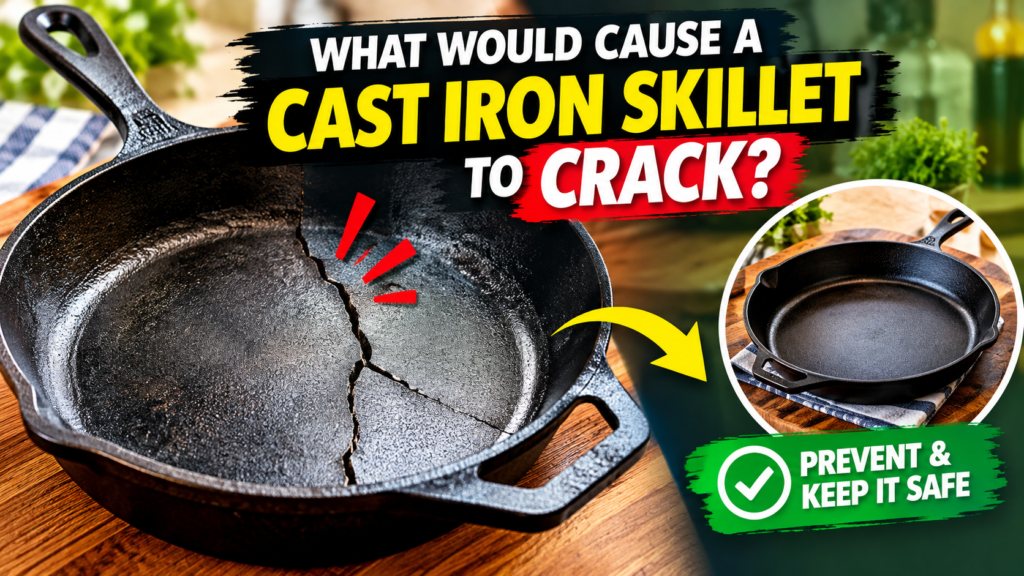
A crack in a favorite pan is frustrating and can be unsafe. If you are wondering what would cause a cast iron skillet to crack, the answer usually comes down to heat stress, impact, or a hidden flaw. This guide covers seven common causes, warning signs, gentler heating habits, and when to stop cooking.
This article is for general educational and buying-guidance purposes only. It does not replace the manufacturer’s official manual, food safety guidance, or professional advice. Materials, specifications, and care instructions can vary by product and should be confirmed with the manufacturer before purchase or use. For product defects, suspected food-safety issues, or injuries such as burns or cuts, contact the manufacturer, a qualified professional, or seek medical help as needed.
What would cause a cast iron skillet to crack? The Short Explanation
Cast iron is hard and heavy, but it is also brittle. Unlike steel, it does not bend much before it fails. When one part of the pan heats or cools faster than the rest, the metal expands or shrinks unevenly, and that stress can open a crack.
Most cracks start small. A hairline mark near the handle or base can grow each time the pan heats up. Experienced home cooks run a fingertip along the rim and bottom while cleaning, because a crack is often easier to feel than to see.
Cast Iron vs Other Skillets: How Heat Stress Shows Up
7 Common Reasons a Cast Iron Skillet Cracks
If you keep asking what would cause a cast iron skillet to crack, start with this list. Several causes can work together.
1. Cold water on a hot pan
This is the classic cause. The surface cools fast while the core stays hot, and the metal can split. Let the skillet cool on the stove, then wash with warm water.
2. Heating too fast
Putting a cold pan on the highest burner heats the center far faster than the sides. A gradual preheat gives heat time to spread more evenly.
3. Overheating an empty pan
A dry skillet on high heat can get extremely hot, and quick cooling afterward raises crack risk. Never walk away from a preheating pan.
4. Uneven heat sources
A small burner under a large skillet, or one hot spot over a campfire, heats one zone far more than the rest. Match pan to burner when you can.
5. Drops and hard knocks
A fall onto tile or concrete, or a hard strike on a counter edge, can chip or crack cast iron. The damage may not show up right away.
6. Casting flaws or thin spots
Some pans have tiny air pockets or uneven walls from manufacturing. These weak spots may not matter for years. If a pan cracks under normal use, ask the manufacturer.
7. Old damage and extreme heat
Vintage pans may carry old hairline cracks. Very high heat, such as a self-cleaning oven cycle, can also stress the metal, so check the manufacturer’s guidance first.
The flow below shows a gentle heat-up routine that many home cooks use to lower heat stress.
Each step avoids a fast jump in temperature.
How to Tell If Your Skillet Is Cracked
Some marks are only seasoning wear, while others are real cracks. This table pairs clues with causes.
Crack Clues: What You See vs Likely Cause
Use this simple path when you find a suspicious mark.
When in doubt, treat the mark as a crack.
What to Do If You Find a Crack
- Stop cooking. Move food to another pan with a dry pot holder and let the skillet cool fully on the stove.
- Inspect it. Check the inside, outside, rim, and handle joint in bright light.
- Retire it from heat. Skip the stove, oven, grill, and campfire until you have guidance.
- Contact the manufacturer. Share clear photos, the pan size, and where you bought it.
- Do not repair it for cooking. Welding or fillers can make a pan unsafe for food or heat.
Safer Habits That Lower Crack Risk
Knowing what would cause a cast iron skillet to crack points straight to habits you can change. This table compares safer choices with risky ones.
Safer Practice vs Risky Practice
The checklist below turns those habits into a simple routine.
Small habits protect the pan for years.
Tools That Help You Avoid Heat Stress
Tool Fit: What Helps and When
This fit dashboard shows how useful each tool is for lowering crack risk, as a rough guide.
Pan size comes first. Accessories add comfort and safety.
When to Handle It Yourself and When to Call for Help
DIY vs Manufacturer or Professional Help
The meter below shows where to put your effort first. It is a practical guide, not scientific data.
Gradual heating and slow cooling address most of the risks behind what would cause a cast iron skillet to crack. The rest keeps the pan in good shape longer.
This article may contain affiliate links. If you buy through these links, we may earn a small commission at no extra cost to you. We only mention products that fit the topic and recommend checking current specs and care instructions directly with the manufacturer.
Helpful Cast Iron Care Products
Frequently Asked Questions
Can a cast iron skillet crack from cold water?
Yes. Cold water on a hot pan can cause thermal shock. Let the skillet cool on the stove before washing it.
Is it safe to use a cast iron skillet with a hairline crack?
Generally no. A hairline crack can spread when heated and may fail suddenly. Stop using the pan and ask the manufacturer for guidance.
What would cause a cast iron skillet to crack for no obvious reason?
Hidden casting flaws, old damage, or repeated heat swings can cause it. A thin spot may fail even under normal use, so contact the manufacturer.
Can a cracked cast iron skillet be repaired?
Repair for cooking is not recommended. Welding or fillers can weaken the pan and may be unsafe for food and heat. Ask the manufacturer about replacement options.
Can a cast iron skillet crack in the oven?
It is possible if the temperature changes fast or the pan is damaged. Avoid sudden cold contact and follow the maker’s heat limits.
Does enameled cast iron crack more easily?
Enameled pans can chip or crack from shock, drops, or fast temperature swings. Heat them gradually and follow the manufacturer’s care instructions.
Final Thoughts
Knowing what would cause a cast iron skillet to crack helps you protect your pan and your kitchen. Heat it slowly, cool it on the stove, and handle it gently. Check the manufacturer’s instructions for your pan, and stop using it if you see a crack. For burns or product defects, contact the maker or seek medical help.
