
By Michael Hayes — RecipeTalkToday
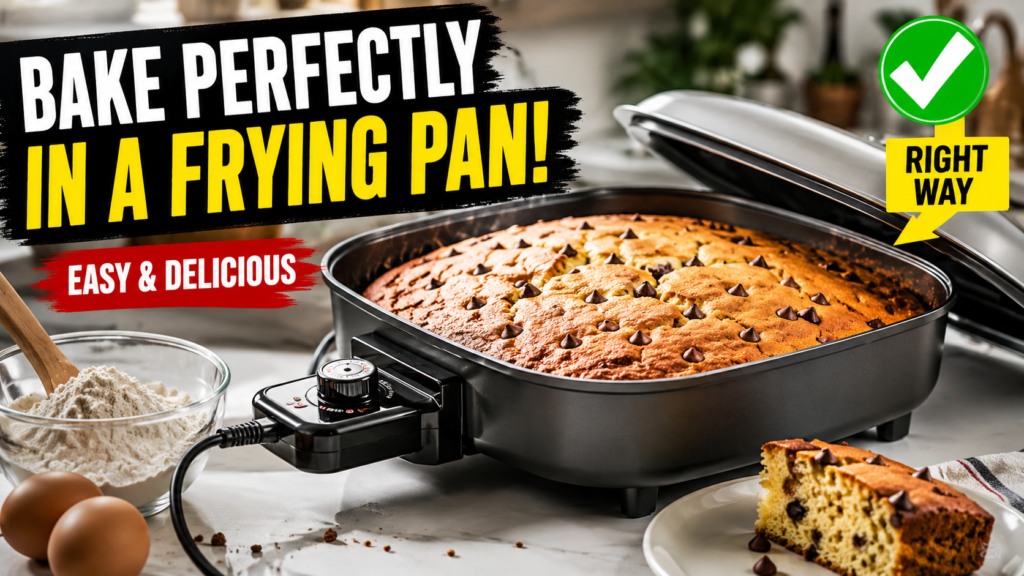
Quick Answer: You can bake in an electric frying pan by preheating it with the lid on, using an oven-safe dish or the pan surface itself, keeping the temperature low-to-medium, and checking food often since electric frying pans heat differently than a real oven.
If your kitchen doesn’t have a working oven, or you’re baking in a dorm, RV, or small apartment, learning how to bake in an electric frying pan can turn a countertop appliance into a surprisingly capable backup oven. It won’t replace a full-size oven for every recipe, but with the right setup it can handle cornbread, small cakes, biscuits, and casseroles.
Baking Without an Oven
Kitchen Appliance Tips
Small Kitchen Solutions
Home Baking Hacks
This article on RecipeTalkToday is for general educational and buying-guidance purposes only. It does not replace the manufacturer’s official manual, food safety guidance, or professional advice. Materials, specifications, and care instructions can vary by product and should be confirmed with the manufacturer before purchase or use. For product defects, suspected food-safety issues, or injuries such as burns or cuts, contact the manufacturer, a qualified professional, or seek medical help as needed.
What Does It Mean to Bake in an Electric Frying Pan?
An electric frying pan is a countertop appliance with a heating element built into the base and a lid that traps heat. Because the lid seals in warm air, the pan can act somewhat like a small, shallow oven. When people talk about how to bake in an electric frying pan, they usually mean using this trapped-heat effect to cook batters and doughs that would normally go into a conventional oven.
It’s not a perfect substitute. The heat comes mostly from the bottom, so results can be uneven compared to a real oven with heat circulating on all sides. Still, for simple bakes, it’s a workable option many home cooks turn to when an oven isn’t available.
Why Bake in an Electric Frying Pan?
People reach for this method for a few practical reasons: a broken or missing oven, a hot summer day when they don’t want to heat up the kitchen, a tiny apartment or dorm with no built-in oven, or camping and RV trips where a full oven simply isn’t an option. In daily cooking, I usually notice electric frying pans get pulled out most often for quick breads and single-layer cakes rather than anything delicate like soufflés.
How an Electric Frying Pan Compares to a Real Oven
Before you start, it helps to understand where this method is strong and where it falls short compared to other cooking setups.
Baking Method Comparison
What to Check Before You Start
Before your first attempt, confirm a few basics: does your electric frying pan have an adjustable thermostat with visible temperature markings, does the lid fit tightly enough to trap heat, and does your recipe use a dish or a batter that fits inside without touching the lid. Check the manufacturer’s guidance if you’re unsure whether your specific model is rated for extended baking-style use.
Typical Routine: From Setup to Serving
Practical guide only — actual timing depends on your recipe and pan model.
Step-by-Step: How to Bake in an Electric Frying Pan
Here’s a practical routine many home cooks follow when they need to bake in an electric frying pan without an oven on hand.
Place a metal trivet, rack, or an upside-down small oven-safe plate in the bottom of the pan so your baking dish isn’t sitting directly on the hot surface.
Set the thermostat to a low-to-medium setting, close to 300–325°F if your dial shows numbers, and let the pan preheat with the lid on for several minutes.
Pour your batter into an oven-safe dish that fits comfortably inside the pan with space around the edges for air to move.
Set the dish on the trivet, cover with the lid, and avoid lifting it too often since each peek lets heat escape.
Check for doneness starting a bit earlier than the original recipe suggests, since electric frying pans often run hotter on the bottom.
Turn off the pan, use oven mitts to remove the dish, and let it rest a few minutes before serving.
Safety and Hygiene Checks
Because electric frying pans sit on a countertop with an exposed cord and a metal body that gets hot, a few safety habits matter more here than with a built-in oven.
Keep the cord away from water and the edge of the counter, never leave a preheating pan unattended near children or pets, and always use oven mitts when lifting the lid since trapped steam can cause burns.
Safe vs. Risky Baking Practices
Common Problems and Fixes
Most issues when people bake in an electric frying pan for the first time come down to uneven heat rather than a bad recipe.
Problem vs. Likely Cause
Quick Troubleshooting Path
Bottom burning? → Add a trivet, lower the setting one notch.
Middle still wet? → Extend time in small increments, checking often.
Smell of burning plastic or scorched cord? → Turn off immediately and unplug; do not continue use.
This is a general troubleshooting guide, not a substitute for the manufacturer’s manual.
Common Mistakes to Avoid
A few habits quietly ruin results for beginners who are still learning how to bake in an electric frying pan.
Mistake vs. Better Choice
Simple Care Checklist
Pro Tips and What Experienced Home Cooks Check
Beginners usually focus on temperature, but experienced home cooks also pay attention to the dish material and the pan’s surface, since both affect how evenly the food bakes.
Dish and Pan Material Fit
What Experienced Cooks Watch For
Older dials can run hotter than labeled.
A loose lid lets too much heat escape.
Centering the dish avoids hot-side scorching.
Smaller batches bake more evenly than large ones.
Baking Priorities to Keep in Mind
If you’re new to this method, focus your attention in this rough order of importance.
Relative Priority Guide
Using a trivet
Correct temperature setting
Checking doneness early
Dish size and spacing
Typical routine priority based on common feedback — not lab-tested data.
This article may contain affiliate links. If you buy through these links, RecipeTalkToday may earn a small commission at no extra cost to you. We only mention products that fit the topic and recommend checking current specs and care instructions directly with the manufacturer.
Electric Frying Pan with Adjustable Thermostat
A model with a clear, adjustable dial can make daily cooking easier when you need consistent low-to-medium heat for baking-style recipes. Many home cooks find a deep-well design convenient for fitting a small baking dish inside.
Small Oven-Safe Ceramic Baking Dish
A compact, oven-safe ceramic dish can support more consistent results when it’s sized to fit inside your pan with room around the edges for heat to move.
When to Contact a Professional or Manufacturer
Contact the manufacturer if the thermostat seems inaccurate, the pan sparks, smells like burning plastic, or the cord shows damage. For any burns or cuts while handling hot dishes, treat the injury according to standard first-aid guidance and seek medical help if the burn is large, blistered, or not improving. For general food safety questions about holding or reheating baked dishes, official guidance from resources like FoodSafety.gov can help, and for appliance safety concerns you can check CPSC.gov.
Frequently Asked Questions
How do I bake in an electric frying pan safely?
Use a trivet so the dish isn’t touching the hot base, keep the temperature at a low-to-medium setting, avoid crowding the pan, and always use oven mitts when lifting the lid.
What temperature should I use to bake in an electric frying pan?
Most home cooks start around 300–325°F, then adjust based on how the food browns during the first bake, since dials can vary between pan models.
Can I use a regular cake pan inside an electric frying pan?
Yes, as long as it fits with space around the edges and is labeled oven-safe. A metal cake pan on a trivet usually works well.
Why is the bottom of my food burning while the middle stays raw?
This usually means the dish is sitting too close to the heating element. Add a trivet or rack and lower the temperature slightly.
Is it safe to leave an electric frying pan unattended while baking?
It’s best to stay nearby and check periodically. Electric appliances left unattended for long periods carry more risk, especially around children or pets.
How do I clean an electric frying pan after baking?
Unplug it and let it cool completely first. Wipe the base with a damp cloth and never submerge the part containing the heating element in water.
When should I contact the manufacturer about my electric frying pan?
Reach out if the thermostat seems inaccurate, you notice sparking, a burning smell, or visible cord damage. Stop using the appliance until it’s checked.
Learning how to bake in an electric frying pan comes down to controlling heat, using the right dish, and checking on your food a little earlier than you would with a real oven. Start with small, simple recipes, keep the trust and safety tips above in mind, and confirm any care or safety details with your pan’s manufacturer. — RecipeTalkToday
