
By Michael Hayes
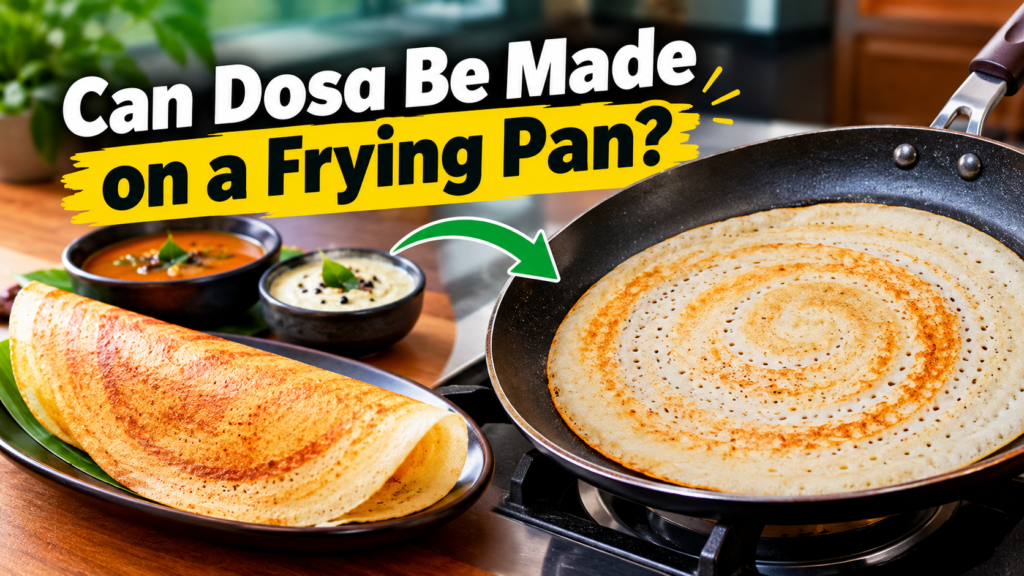
Quick Answer: Yes, dosa can be made on a frying pan, especially one with a wide, flat, or gently curved surface. A well-heated nonstick or seasoned cast iron pan can work well, though a traditional tawa is often easier for beginners since it spreads heat more evenly across a flat base.
Many home cooks don’t own a traditional dosa tawa, so this question comes up often: can dosa be made on a frying pan? In daily cooking, I usually notice that the answer depends less on the word “frying pan” and more on the pan’s flatness, material, and how evenly it holds heat. This guide covers what to check before you start, a simple step-by-step process, common mistakes, and safety points that most quick answers skip.
This article is for general educational and buying-guidance purposes only. It does not replace the manufacturer’s official manual, food safety guidance, or professional advice. Materials, specifications, and care instructions can vary by product and should be confirmed with the manufacturer before purchase or use. For product defects, suspected food-safety issues, or injuries such as burns or cuts, contact the manufacturer, a qualified professional, or seek medical help as needed.
What It Means to Make Dosa on a Frying Pan
Dosa is traditionally cooked on a flat tawa because the wide, level surface lets the batter spread thin and cook evenly. A frying pan can work too, but it usually has a slight curve near the edges and sometimes a raised rim, which can make spreading the batter a little trickier for beginners.
Whether can dosa be made on a frying pan comes down to three things: how flat the base is, how well the material holds and releases heat, and whether the surface lets the batter release cleanly once it’s cooked. A flatter, wider pan generally gives results closer to a traditional tawa.
Frying Pan vs Tawa: A Quick Comparison
Why This Question Matters for Home Cooks
Not every kitchen has room for a dedicated tawa, and many people only make dosa occasionally. Knowing whether can dosa be made on a frying pan helps you avoid buying a specialty pan you may rarely use, while still getting a reasonably crisp, evenly cooked result with cookware you already own.
Ignoring pan fit can lead to torn dosa, uneven browning, or batter sticking to the surface. It can also shorten the life of a nonstick coating if the pan is repeatedly overheated while trying to compensate for an uneven base.
Getting a Frying Pan Ready for Dosa
Before cooking, most home cooks move through this basic routine:
This is a general practical routine, not a fixed rule. Timing and heat level can vary by pan and stove.
What to Check Before Using a Frying Pan for Dosa

Before deciding can dosa be made on a frying pan in your own kitchen, check the pan’s base width, how flat it sits on the burner, and whether the coating or seasoning is in good condition. A pan with a wide, flat center works better than one with a deep curve, since the batter needs room to spread thin.
Pan Fit for Dosa: A Practical Guide
Step-by-Step: Making Dosa on a Frying Pan
Once you’ve checked pan fit, here is a simple, general process many home cooks follow. Always adjust heat and timing based on your own stove and pan.
Heat the frying pan on medium heat for a couple of minutes until it feels evenly warm across the base.
Wipe a very thin layer of oil using a folded paper towel or half an onion, covering the center and edges.
Pour a ladle of batter in the center and spread it in a gentle outward spiral, working with the curve if your pan isn’t perfectly flat.
Drizzle a little oil around the edges and let it cook undisturbed until the base turns golden and edges start lifting.
Use a flat spatula to gently loosen the edges before folding or removing the dosa.
Wipe the pan lightly between batches instead of adding a heavy new layer of oil each time.
Is Your Frying Pan a Good Fit? A Quick Decision Path
This is a practical checklist for everyday decisions, not a technical inspection.
Safety and Hygiene Checks
High, steady heat is part of what makes dosa crisp, so a few basic safety habits matter. Always keep the pan handle turned inward, away from the front of the stove, so it isn’t knocked accidentally.
Safety Note: Avoid touching the pan surface directly to test heat. Use a water-drop test instead, and let hot pans cool on a heat-safe surface before washing to reduce warping or splash-burn risk.
Wash the pan with warm water after it has cooled slightly, and dry it fully before storing to prevent moisture buildup, especially with cast iron. For material safety questions on nonstick coatings, the U.S. Consumer Product Safety Commission publishes general cookware safety information at cpsc.gov.
Common Dosa-on-Frying-Pan Problems and Likely Causes
Frying Pan Care Checklist Dashboard
Wipe down once cooled to prevent batter residue from baking onto the surface. This keeps future dosa releasing more cleanly.
Moisture left on cast iron can lead to rust, while damp nonstick pans can develop odors over time.
If food starts sticking more than usual, a light reseasoning following the manufacturer’s method can help restore the surface.
Silicone or wood spatulas help protect the coating and can support a longer usable life for the pan.
Common Mistakes and Better Choices
Most sticking, tearing, or uneven browning issues trace back to the same handful of habits. Fixing these often matters more than which specific pan you own when working out can dosa be made on a frying pan in your kitchen.
Note: A flatter frying pan usually gives more consistent spreading than a deeply curved one, even if both are the same material.
Tip: Keep a small bowl of water nearby to flick a few drops on the pan before each dosa. If the drops sizzle and evaporate quickly, the pan is usually ready.
Warning: Letting an empty nonstick pan overheat on high flame, even briefly, can damage the coating and release fumes. Keep heat at medium and never leave an empty hot pan unattended.
Pro Tips and What Experienced Cooks Check
Beginners often focus only on heat level, but experienced home cooks also check the batter consistency and how the spatula angle affects the spread. A slightly thinner batter can help compensate for a frying pan’s curve.
Many experienced cooks also rotate the pan slightly while spreading batter on a curved frying pan, instead of relying only on the spatula, to help the batter reach the edges more evenly.
Pan Type Fit Dashboard for Dosa
Good for beginners; easy release but needs lower heat and gentle utensils to protect the coating.
Can build a naturally nonstick surface over time with proper seasoning, and many cooks like the crisper edges.
Works occasionally but usually needs more oil and careful preheating to avoid sticking.
Often the easiest option for frequent dosa making, thanks to its flat, wide surface.
Safe vs Risky Habits While Cooking Dosa
Relative Priority Guide (Practical Guide, Not Lab Data)
Ease of Use
Heat Control Needed
Maintenance Priority
Typical Cost Range vs Tawa
This is a general practical guide based on common kitchen patterns, not scientific testing.
This article may contain affiliate links. If you buy through these links, we may earn a small commission at no extra cost to you. We only mention products that fit the topic and recommend checking current specs and care instructions directly with the manufacturer.
Helpful Pans for Making Dosa on a Frying Pan
Wide Flat Nonstick Frying Pan
A wide, flat nonstick pan can make daily dosa cooking easier for beginners, since batter tends to release more smoothly than on a curved surface. Always confirm heat limits and utensil recommendations with the manufacturer.
Pre-Seasoned Cast Iron Skillet
A pre-seasoned cast iron skillet may support more consistent browning over repeated use for cooks who make dosa often. Follow the manufacturer’s seasoning and cleaning instructions to help maintain the surface.
When to Contact a Professional or Manufacturer: If a nonstick coating is peeling, bubbling, or flaking, stop using the pan and check the manufacturer’s guidance on replacement. If a cast iron pan develops cracks, or you notice persistent smoke, warping, or an unusual smell during normal cooking, contact the manufacturer. For burns, deep cuts, or any suspected food-safety incident, seek medical help or contact a qualified professional promptly.
Frequently Asked Questions
Can dosa be made on a frying pan?
Yes, dosa can be made on a frying pan, especially one with a wide, flat base. Results are usually closer to a traditional tawa when the pan is flat and evenly heated.
What type of frying pan is best for making dosa?
A wide, flat nonstick or well-seasoned cast iron pan is often preferred, since a flat surface helps the batter spread evenly.
Do I need to season a frying pan before making dosa?
Cast iron pans typically benefit from seasoning before regular use. Nonstick pans usually don’t need seasoning, but check the manufacturer’s care instructions first.
Why does dosa stick to my frying pan?
Sticking usually happens when the pan isn’t hot enough before the batter is poured, when too little oil is used, or when the coating or seasoning has worn down.
Can I use a nonstick frying pan for dosa every day?
Many home cooks use a nonstick frying pan daily, but keeping heat moderate and using soft utensils can help support the coating over time.
Is it safe to use a cast iron frying pan for dosa?
Cast iron is commonly used for dosa when properly seasoned and cared for. Avoid soaking it in water and dry it fully after washing to help prevent rust.
How do I know my frying pan is hot enough for dosa?
A simple water-drop test works well: flick a few drops of water onto the pan. If they sizzle and evaporate quickly, the pan is usually ready for batter.
So, can dosa be made on a frying pan? In most everyday kitchens, yes, especially with a wide, flat pan, steady medium heat, and a thin layer of oil. It may not always match a dedicated tawa perfectly, but it’s a practical option for regular home cooking. Always confirm care instructions and material safety details with your pan’s manufacturer, and seek professional or medical help promptly for injuries, product defects, or persistent food-safety concerns.