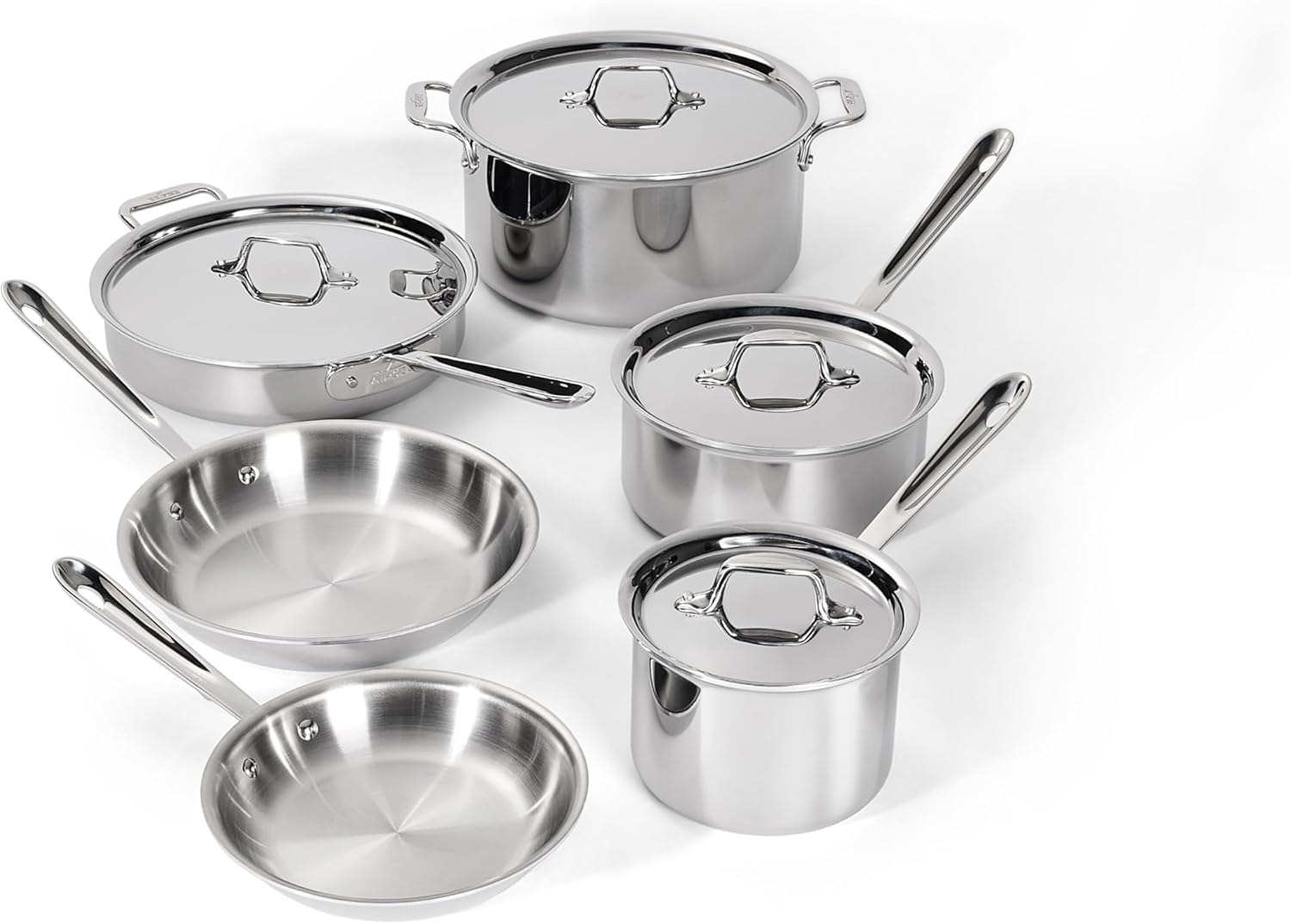
A cast iron frying pan can sear steaks, roast vegetables, and move from the stovetop to the oven. Its thick construction holds heat well, but its weight, care needs, and cooking surface may not suit every kitchen.
The best cast iron frying pan matches the cooktop, meal sizes, storage space, and preferred care routine. Michael Hayes of VoiceOfKitchen.com recommends checking the pan’s size, shape, surface, seasoning, handle design, and overall condition before buying. These details affect comfort, cooking results, and long-term value.
Key Takeaways
- Match the pan size and shape to common meals.
- Check seasoning, surface quality, and cooktop compatibility.
- Choose a trusted seller and prepare the pan correctly.
Choose the Right Pan Size And Shape
A pan’s diameter should fit the household, cooking surface, and storage space. Its depth and shape should also match the foods it will cook most often, from fried eggs to stews.
Match Diameter to Household Size
Cast iron skillets commonly range from 8 to 14 inches in diameter. The measurement usually describes the top edge, so the cooking surface may be slightly smaller.
| Diameter | Best for | Typical use |
|---|---|---|
| 8 inches | One person | Eggs, small portions, and side dishes |
| 10 inches | One to two people | Fish, vegetables, and small meals |
| 12 inches | Two to four people | Family meals, steaks, and skillet dinners |
| 14 inches | Large households | Large batches and shared meals |
A 10- or 12-inch skillet suits many kitchens. A larger pan holds more food, but it weighs more and may not heat evenly on a small burner. The pan should sit securely on the cooking surface without extending far beyond the burner.
Select Skillet Depth for Intended Recipes
A shallow skillet, about 1½ to 2 inches deep, works well for searing steaks, frying eggs, roasting vegetables, and baking cornbread. Its sloped sides also make it easier to turn food with a spatula.
A deeper skillet, often 2 to 3 inches deep, provides more room for sauces, braises, fried chicken, and one-pan meals. Higher sides help reduce splattering and keep liquids from spilling, but they can make stirring and flipping more difficult.
Shape also affects use. A round skillet fits most burners and ovens, while a square skillet offers more edge space for foods such as bacon or grilled sandwiches. The buyer should check the pan’s weight, handle length, and oven clearance before choosing a larger or deeper model.
Understand Cast Iron Construction
A cast iron frying pan’s surface, weight, and handle shape affect how it cooks and how easy it is to use. Buyers should compare the finish, lifting comfort, oven needs, and pouring features before choosing a model.
Compare Bare Cast Iron and Enameled Cast Iron
Bare cast iron has a seasoned cooking surface made from layers of baked-on oil. It tolerates high heat, works on stovetops, grills, and in ovens, and can develop a smoother cooking surface with regular use. It needs drying after washing and a light coat of oil to help prevent rust.
Enameled cast iron has a glass-based coating over the iron. It does not need seasoning and handles acidic foods, such as tomatoes and citrus-based sauces, more easily. The coating can chip if the pan receives hard impacts, so buyers should avoid metal utensils that may scratch the surface and should follow the maker’s heat limits.
| Feature | Bare cast iron | Enameled cast iron |
|---|---|---|
| Seasoning | Required and maintained with oil | Not required |
| Acidic foods | May weaken seasoning with long cooking | Better suited to acidic foods |
| Care | Dry promptly to prevent rust | Protect the coating from chips and scratches |
Check Weight, Handle Design, and Pour Spouts
Cast iron pans are heavy. A 10- to 12-inch model often suits common family meals, but its weight may make lifting, turning, and cleaning difficult. The pan should feel balanced when held with one hand, and a helper handle opposite the main handle can improve control.
The main handle should provide a firm grip without becoming too hot during stovetop use. A longer handle keeps the hand farther from the heat, while a short handle saves space but may require more caution. Buyers should also check whether the handle has an opening for hanging storage.
Pour spouts help direct grease, sauces, and melted butter without lifting the pan as high. A pan with spouts on both sides works well for left- and right-handed users. Deep, smooth spouts usually pour more cleanly than shallow notches, but they may slightly reduce usable space near the rim.
Evaluate Pre-Seasoning and Surface Quality
A good cast iron pan should have a sound cooking surface and a durable factory seasoning layer. Buyers should check for defects, understand seasoning labels, and know what normal early use will require.
Inspect the Cooking Surface
The cooking surface should look even and feel solid. Small color changes, faint seasoning marks, and minor texture are normal. Cast iron does not need to feel as smooth as polished steel, but deep grooves, sharp bumps, cracks, or exposed bare metal can cause uneven cooking and make seasoning harder to maintain.
Run a clean fingertip carefully across the surface, or use a paper towel to check for rough spots. Inspect the rim, pour spouts, handle connection, and underside for cracks or casting flaws. The pan should sit flat without rocking on a level surface.
| Check | Acceptable | Warning sign |
|---|---|---|
| Surface texture | Mild, even texture | Deep pits or sharp ridges |
| Shape | Sits flat | Rocks or spins |
| Finish | Even dark coating | Large bare areas or flaking |
| Construction | Solid handle and rim | Cracks or weak joints |
A rough surface does not always make a pan unusable. However, serious defects can trap food, shed flakes, or create uneven contact with a cooktop.
Assess Factory Seasoning Claims
“Pre-seasoned” means the manufacturer applied one or more layers of cooking oil that were heated onto the iron. It does not mean the pan has a fully nonstick surface from the first use. New owners may still need to wash, dry, lightly oil, and build the finish through regular cooking.
Buyers should check whether the maker identifies the seasoning oil and provides care instructions. The coating should look mostly even, with no sticky patches, peeling areas, or strong chemical odor. A few lighter spots may appear after washing and do not necessarily indicate poor quality.
Avoid relying on the phrase “nonstick” alone. Cast iron seasoning improves with proper use, but acidic foods, long simmering, harsh scrubbing, and metal utensils can wear it down. A pan with stable seasoning, clear instructions, and a defect-free surface offers a better starting point.
Compare Brands and Price Ranges
Brand choice affects price, weight, surface texture, and included features. A basic skillet can handle most daily cooking, while premium and vintage-style pans may offer lighter designs, smoother interiors, or more refined finishes.
Identify Reliable Entry-Level Options
Entry-level buyers should compare pan size, weight, cooking surface, and warranty rather than focus only on brand names. Established brands such as Lodge offer widely available skillets in common sizes, including 8-, 10-, and 12-inch models. These pans often come pre-seasoned and work on stovetops, ovens, grills, and induction cooktops.
A basic cast iron pan usually costs about $20 to $50, depending on its size and design. Buyers should check that the handle feels secure and that the helper handle provides enough control for larger pans. A rough surface does not prevent good cooking, but deep pits, cracks, uneven edges, or loose handles signal poor quality.
| Price range | Typical features | Best for |
|---|---|---|
| $20–$35 | Standard, pre-seasoned pan | First-time buyers |
| $35–$50 | Larger size or improved design | Frequent home cooks |
| $50–$80 | Lighter build or smoother finish | Buyers seeking easier handling |
Consider Premium and Vintage-Style Pans
Premium brands such as Field Company, Finex, Le Creuset, and Staub can cost from about $100 to more than $300. They may offer lighter construction, smoother cooking surfaces, polished finishes, distinctive handles, or enamel coatings. Enamel-coated pans do not need seasoning, but they usually cost more and may not tolerate the same high heat as bare cast iron.
Vintage-style and boutique pans often appeal to buyers who want a thin, smooth interior or a traditional appearance. Their higher price does not guarantee better results, so shoppers should confirm the pan’s weight, cooking surface, lid compatibility, and return policy.
Collectors should inspect vintage pans for cracks, warping, severe rust, and unstable bases. A clean, structurally sound used pan can provide good value, but restoration may require significant time and careful seasoning.
Check Compatibility With Your Cooktop
A cast iron frying pan works on most cooktops, but its weight and rough base can affect glass surfaces. Buyers should also check magnetic performance, oven ratings, and grill limits before choosing a pan.
Confirm Induction Performance
Cast iron usually works well on induction cooktops because it contains magnetic iron. A buyer can place a refrigerator magnet against the pan’s cooking base. If the magnet sticks firmly, the pan should activate the induction field.
The pan must also match the cooktop’s size. A base that is too small may heat unevenly or fail to activate some burners. Buyers should check the pan’s base diameter against the burner size listed in the cooktop manual.
On glass induction surfaces, cast iron requires careful handling. Its heavy, rough bottom can scratch or crack the glass if dragged or dropped. The user should lift the pan instead of sliding it and should inspect the base for raised burrs, chips, or loose pieces.
Consider Oven and Grill Temperature Limits
Most cast iron pans can move from the stovetop to the oven or grill, but their handles may have different limits. A bare cast iron handle often tolerates high heat, while silicone grips, wooden parts, and some painted finishes do not.
| Pan feature | What to check |
|---|---|
| Main pan body | Confirm the maximum oven temperature |
| Handle coating | Check whether it can handle oven and grill heat |
| Removable grip | Remove it before high-heat cooking if required |
| Lid or knob | Verify separate temperature limits |
The manufacturer’s instructions provide the safest temperature rating. Buyers should also check whether the pan supports direct grill heat, broiling, or open-flame use. They should use thick oven mitts because cast iron stays hot long after the heat stops.
Inspect Condition When Buying Used
A used cast iron pan can offer good value, but hidden damage may make it unsafe or frustrating to use. Buyers should check the pan’s shape, surface, handles, and rust before deciding whether cleaning and reseasoning will be worthwhile.
Look for Cracks, Warping, and Pitting
Inspect the entire pan under bright light. Check the cooking surface, sides, bottom, handle joint, and pour spouts for cracks. A crack can worsen when the pan heats, so buyers should reject any pan with a visible split, even if the price is low.
Place the pan on a flat shelf or counter. It should sit firmly without rocking, spinning, or leaving a gap under the base. Warping can cause uneven heating and may prevent proper contact with a glass stovetop. A slightly uneven bottom may work on a gas range, but severe movement signals a poor purchase.
Examine pits caused by deep corrosion. Small, shallow pits usually affect appearance more than function. Deep pits, sharp edges, or damaged areas across most of the cooking surface can make food stick and complicate seasoning. Buyers should also check that the handle remains solid and shows no repair cracks.
Recognize Restorable Rust and Old Seasoning
Surface rust usually does not make a pan unusable. Light orange or brown rust can often be removed with a stiff brush or fine steel wool, followed by thorough drying and a new layer of cooking oil. A buyer should avoid leaving exposed iron wet because it can rust again quickly.
Old black seasoning may look uneven, flaky, or dull. That coating can usually be stripped and rebuilt if the iron underneath remains sound. Buyers should pay closer attention to deep, rough rust that has eaten into the metal, especially around the bottom and cooking surface.
Avoid pans with thick, sticky residue that smells strongly of chemicals or rancid oil. The coating may require extensive cleaning, and the buyer cannot always know what substances touched it. For safe handling and care guidance, the cookware seasoning process provides useful background.
Buy From a Reputable Seller
A reliable seller provides clear product details, fair return terms, and dependable customer support. These protections help buyers avoid damaged pans, incorrect sizes, missing accessories, or products that differ from the listing.
Review Return Policies and Warranties
The buyer should read the return policy before placing an order. Check the allowed return period, shipping costs, restocking fees, and rules for used or washed cookware. Many sellers will not accept a pan after it has been seasoned or cooked with, so the buyer should inspect it as soon as it arrives.
The policy should explain what happens if the pan arrives cracked, warped, chipped, or damaged in transit. A seller should offer a replacement, refund, or clear claim process. Buyers can also review the maker’s warranty. Some brands cover manufacturing defects but exclude rust, misuse, thermal shock, or normal wear.
Reputable cookware retailers often provide support after purchase. Buyers can compare care guidance from trusted sources, such as the Wikipedia overview of cast-iron cookware, with the seller’s instructions.
Verify Product Details Before Ordering
The product page should state the pan’s diameter, cooking surface size, weight, height, and handle design. A listed diameter usually measures the rim, not the usable cooking area. Buyers should check both measurements to ensure the pan fits their stovetop, oven, storage space, and cooking needs.
The listing should identify whether the pan comes pre-seasoned, enameled, or unfinished. It should also state which cooktops support it and whether the pan works under a grill or in an oven. Buyers should confirm that the order includes the advertised lid, helper handle, or silicone cover.
Photos should match the exact model and finish. The buyer should check the brand, model number, country of manufacture when provided, and seller identity. They should avoid listings with vague descriptions, unusually low prices, copied images, or no clear contact details.
Prepare for First Use
A new cast iron frying pan needs a clean, dry surface and the right first-use care. These steps remove factory residue, protect against rust, and help build a smoother cooking surface.
Wash and Dry the Pan
The buyer should first check the care label. A pre-seasoned pan usually needs only a quick wash, while an unseasoned pan may need full seasoning before cooking.
Wash the pan with warm water, a small amount of mild dish soap, and a soft sponge. Avoid soaking it or placing it in a dishwasher. Scrub away dust, packaging residue, or loose particles without removing the factory seasoning.
Dry the pan immediately with a clean towel. Then place it over low heat for a few minutes to remove hidden moisture from the cooking surface and handle. This step matters because even small amounts of water can cause surface rust.
Apply Initial Care Practices
If the pan is unseasoned, rub a very thin layer of cooking oil over the inside, outside, and handle. Canola, vegetable, or grapeseed oil works well. Wipe away excess oil until the surface looks nearly dry; too much oil can leave a sticky coating.
Place the pan upside down in an oven set to about 450°F (230°C), with a sheet of foil on the rack below to catch drips. Bake it for about one hour, then let it cool inside the oven. The buyer should follow the maker’s instructions if they list a different temperature or method.
After each use, clean the pan, dry it fully, and apply a thin coat of oil if the surface looks dull. Cook foods with some fat at first, and avoid long cooking sessions with acidic ingredients such as tomatoes until the seasoning becomes more established.
FAQs
What size cast iron frying pan should a buyer choose?
A 10-inch pan suits many households and handles meals for two to four people. A 12-inch pan offers more cooking space but weighs more and needs a larger cooking surface.
Is bare or enameled cast iron better?
Bare cast iron develops a seasoned cooking surface and works well on the stove, in the oven, or over a fire. Enameled cast iron does not need seasoning and resists rust, but it may cost more and should not be heated without food or liquid.
What should a buyer check before purchasing?
The pan should sit flat without wobbling. Its handle should feel secure, and the cooking surface should have no cracks, deep rust, or major chips. A helper handle can make a large pan easier to lift.
Does a rough surface mean poor quality?
Not always. Many cast iron pans have a slightly rough finish and can cook well after proper seasoning. A smooth surface may feel easier to use, but it does not guarantee better performance.
How much maintenance does cast iron need?
The user should wash and dry the pan soon after cooking, then apply a thin layer of oil when needed. Moisture can cause rust, so the pan should not remain wet or soak in water.
Conclusion
A suitable cast iron frying pan should match the cook’s needs, stove, and storage space. The buyer should check its size, weight, handle design, cooking surface, and compatibility with the cooktop before making a choice.
A pre-seasoned bare-iron pan suits buyers who want strong heat retention and do not mind regular care. An enameled pan offers easier cleaning and avoids seasoning, but it usually costs more and may require gentler handling.
The buyer should also inspect the pan for a stable base, smooth movement on the cooktop, and secure handles. A 10- to 12-inch pan works well for many households, while smaller or larger sizes suit specific portions and cooking tasks.
After purchase, the owner should dry the pan fully, apply a thin layer of oil when needed, and follow the manufacturer’s care instructions. With proper use and maintenance, the pan can provide steady cooking performance for many years.