By Michael Hayes — RecipeTalkToday
Quick Answer: Rinse the rice, add it to a lidded frying pan with the right amount of water (usually 1 part rice to about 1.5 parts water), bring it to a boil uncovered, then cover, lower the heat, and let it steam without lifting the lid. Rest it 5–10 minutes before fluffing.
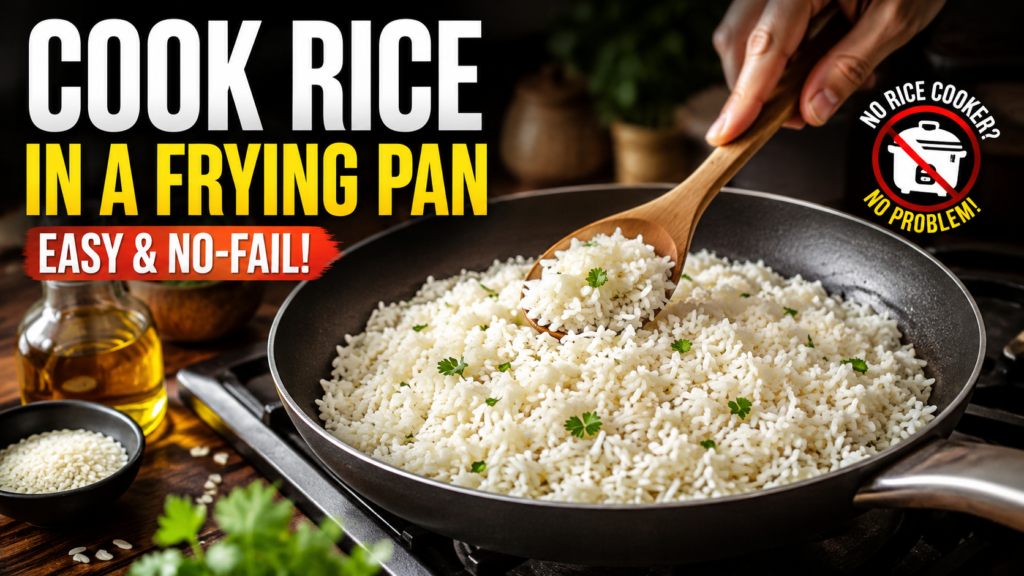
If you don’t own a saucepan or a rice cooker, learning how to cook rice in a frying pan can save dinner. A wide, shallow pan behaves a little differently than a tall pot, so the technique needs a few small adjustments to avoid dry edges, scorched bottoms, or undercooked centers. This guide walks through the full process, the tools that help, and the mistakes that trip up most beginners.
Stovetop Rice
No Rice Cooker
Nonstick Pan Cooking
Kitchen Basics
This article on RecipeTalkToday is for general educational and buying-guidance purposes only. It does not replace the manufacturer’s official manual, food safety guidance, or professional advice. Materials, specifications, and care instructions can vary by product and should be confirmed with the manufacturer before purchase or use. For product defects, suspected food-safety issues, or injuries such as burns or cuts, contact the manufacturer, a qualified professional, or seek medical help as needed.
What “Cooking Rice in a Frying Pan” Actually Means
A frying pan is shallower and wider than a saucepan, so water evaporates faster and heat spreads more directly across the rice. That’s not a problem once you understand it — it just means the ratio and timing need small tweaks. In daily cooking, I usually reach for a wide sauté pan with a lid whenever my saucepans are already in use, and it works just as well once you get the water level right.
This approach is often used by people who don’t own a rice cooker, are cooking a small batch, or want a pan they can go straight from rice to stir-fry in. It works for white rice most reliably; brown rice and other whole grains usually need extra water and a longer steam time because of their tougher outer layer.
Why Cook Rice in a Frying Pan Instead of a Pot
A wide pan heats rice more evenly across the bottom, which can help reduce the scorched-center effect some people get in a narrow pot. It also lets you go straight into frying, sautéing vegetables, or making a one-pan meal without dirtying a second dish. The main trade-off is that a shallow pan loses steam faster, so a snug lid matters more here than it does with a saucepan.
Frying Pan vs Saucepan vs Rice Cooker
| Method |
Best For |
Watch-Out |
| Frying pan |
Small batches, one-pan meals, no rice cooker |
Faster evaporation, needs a tight lid |
| Saucepan |
Larger batches, steady steaming |
Center can undercook if heat is too high |
| Rice cooker |
Hands-off, consistent daily rice |
Takes counter space, extra appliance to clean |
What You Need Before You Start
You’ll need a frying pan with a lid that fits snugly, a measuring cup, rice, and water. A well-fitting lid matters more than the pan’s brand — a loose or warped lid lets steam escape and leaves the rice dry on top while the bottom overcooks.
Routine Overview: Rice-in-a-Pan Flow
1. Rinse rice
2. Add water, boil uncovered
3. Cover, lower heat
4. Steam, no peeking
5. Rest, fluff
Practical guide only — exact times vary by rice type and pan.
Step-by-Step: How to Cook Rice in a Frying Pan
1
Rinse the rice. Rinse under cold water 2–3 times until the water runs mostly clear. This removes surface starch that can make rice gummy.
2
Add rice and water to the pan. Spread the rice evenly across the bottom so it cooks at the same rate.
3
Bring to a boil uncovered. Medium-high heat, no lid yet, until you see small craters forming on the surface.
4
Cover and lower the heat. Drop to low as soon as the lid goes on — this is the step people skip most often when learning how to cook rice in a frying pan.
5
Let it steam undisturbed. Around 12–15 minutes for white rice. Lifting the lid lets steam escape and can leave rice half-cooked.
6
Rest off heat, then fluff. Remove from heat, keep the lid on 5–10 minutes, then fluff gently with a fork.
Note: Every stove and pan is a little different. If your rice is often too wet or too dry at the same water ratio, adjust by a tablespoon or two next time rather than changing the whole method.
Getting the Rice-to-Water Ratio Right
For white long-grain rice, a common starting ratio is 1 cup rice to about 1.5 cups water in a wide pan, since more surface area means faster evaporation than in a tall pot. Short-grain or sushi rice usually wants slightly less water; brown rice usually wants more and a longer steam time.
Pre-Cook Checklist Dashboard
✔ Rice rinsed until water runs clear
✔ Lid fits snugly on the pan
✔ Water ratio matches rice type
✔ Burner set to low before covering
Common Problems and Likely Causes
Troubleshooting Table
| Problem |
Likely Cause |
| Rice is crunchy in the middle |
Not enough water, or lid removed too early |
| Bottom layer is scorched |
Heat left too high after covering the pan |
| Rice is mushy or gluey |
Too much water, or rice wasn’t rinsed first |
| Rice cooks unevenly |
Rice wasn’t spread evenly, or lid doesn’t seal well |
Safe and Risky Habits When Cooking Rice in a Pan
Practice Comparison
| Safer Practice |
Riskier Practice |
| Leaving a lidded pan on low heat while unattended briefly nearby |
Leaving any stovetop pan completely unattended for long periods |
| Using an oven mitt to remove a hot lid |
Grabbing a hot lid or handle bare-handed |
| Tilting the lid away from you when checking rice |
Opening the lid straight up toward your face |
| Cooling and refrigerating leftover rice within about two hours |
Leaving cooked rice at room temperature for many hours |
Safety note: Cooked rice that sits out too long at room temperature can develop bacteria that isn’t destroyed by reheating. Cool leftovers promptly and refrigerate them, and when in doubt about how long rice has been sitting out, it’s safer to discard it. See
FoodSafety.gov’s storage guidance for more detail.
Choosing the Right Pan for Cooking Rice
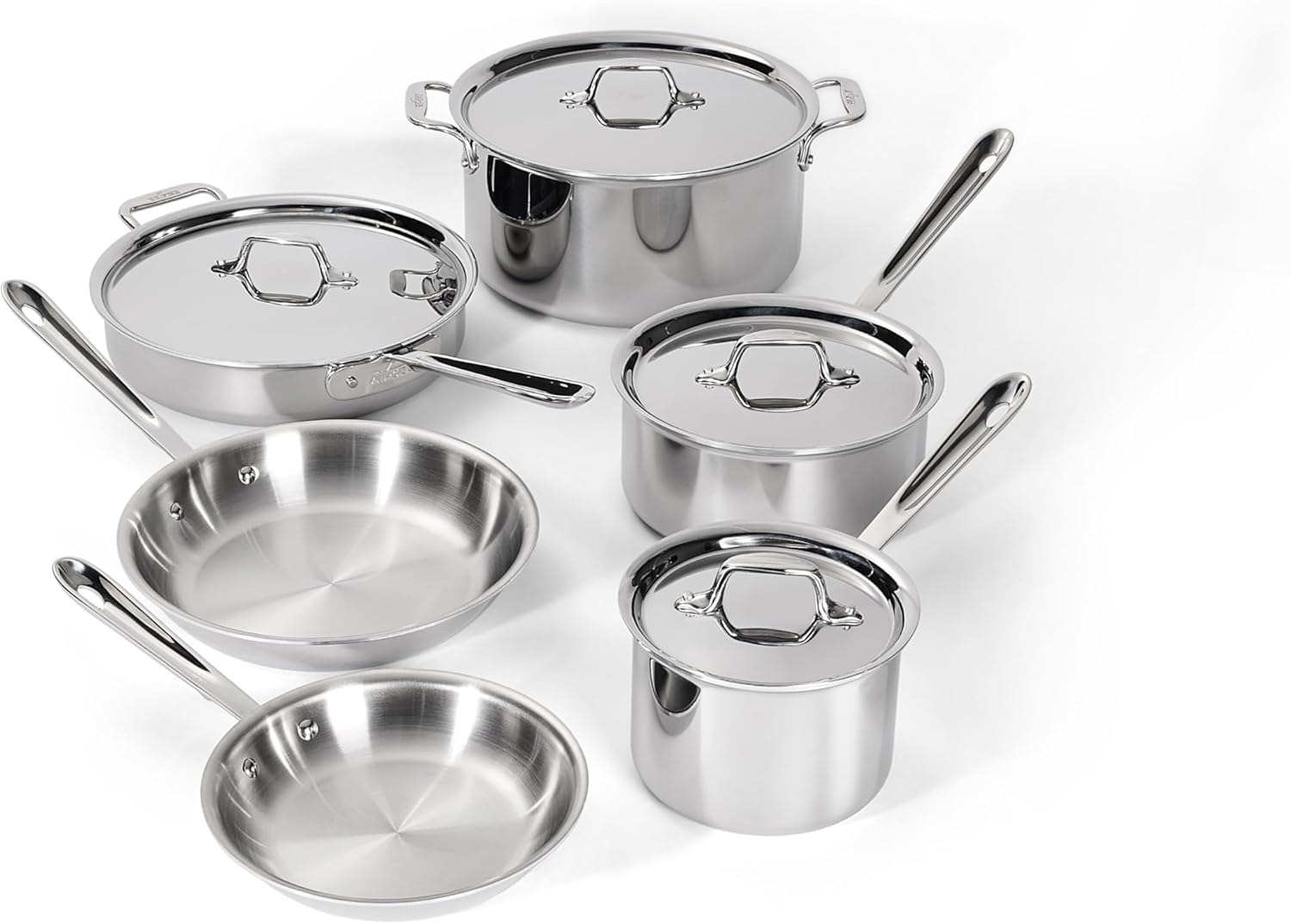
Not every frying pan is equally suited to this job. A pan that’s too thin can develop hot spots that scorch rice before the center cooks. Many home cooks find a heavier-bottomed nonstick or stainless pan with a tight lid works best.
Pan Type Fit Table
| Pan Type |
Good Fit If… |
Check With Manufacturer If… |
| Nonstick sauté pan |
You want easy cleanup and less sticking |
Coating looks scratched or worn |
| Stainless steel pan |
You cook rice often and want durability |
Rice sticks heavily without enough oil or liquid |
| Cast iron pan |
You want good heat retention for crispy rice |
Seasoning is uneven or the pan is new |
Troubleshooting Decision Path
Rice still hard after resting? → Add a splash of hot water, re-cover, steam a few more minutes on low.
Bottom smells scorched? → Remove pan from heat immediately; don’t scrape burnt layer into the rest.
Rice too wet and soupy? → Uncover briefly on low heat to let extra moisture evaporate.
Common Mistakes vs Better Choices
Mistake Fix Table
| Common Mistake |
Better Choice |
| Stirring rice while it steams |
Leave it covered and undisturbed until the timer is done |
| Using a mismatched lid that doesn’t seal |
Use foil under the lid, or a lid designed for that pan |
| Skipping the rest period |
Let rice sit off heat 5–10 minutes before fluffing |
Pro Tips Experienced Home Cooks Use
Experienced cooks tend to check their pan’s actual boil time rather than trusting a recipe’s exact minutes, since burners vary. They also toast the rice briefly in a little oil before adding water, which can help each grain stay separate. Beginners often miss that resting time matters just as much as cooking time — pulling the lid off too soon is one of the most common reasons rice turns out unevenly cooked.
Nonstick Pan Care Checklist
✔ Use wooden or silicone utensils
✔ Hand wash instead of dishwasher when possible
✔ Let the pan cool before washing
✔ Replace if coating is flaking
When to Contact a Professional or Manufacturer
Contact the pan’s manufacturer if a nonstick coating is peeling, bubbling, or flaking into food, or if a lid or handle becomes loose or damaged. Seek medical attention for burns from hot steam or splattered water, or for any cut that won’t stop bleeding or looks infected. For suspected food poisoning after eating rice that sat out too long, contact a healthcare provider, especially if symptoms are severe.
Helpful Kitchen Tools
This article may contain affiliate links. If you buy through these links, RecipeTalkToday may earn a small commission at no extra cost to you. We only mention products that fit the topic and recommend checking current specs and care instructions directly with the manufacturer.
Heavy-Bottomed Nonstick Sauté Pan with Lid
Many home cooks find a wide, lidded sauté pan convenient for both cooking rice and finishing a one-pan meal without switching dishes.
Check Price on Amazon
Fine-Mesh Rice Rinsing Strainer
A dedicated mesh strainer can make rinsing rice quicker and more consistent than doing it directly in the pan.
Check Price on Amazon
Relative Difficulty by Rice Type (Practical Guide)
Typical routine priority, not lab-tested data — your stove and pan will affect actual results.
Frequently Asked Questions
Can you cook rice in a frying pan without a lid?
It’s much harder without a lid, since steam escapes quickly. Foil can work as a substitute lid if your pan doesn’t have one that fits.
How much water do I use to cook rice in a frying pan?
A common starting point is about 1.5 cups of water per cup of white rice, adjusted slightly based on your pan and rice type.
Is it safe to cook rice in a nonstick pan?
Yes, as long as the coating is in good condition. Avoid metal utensils and check the manufacturer’s guidance if the coating looks scratched or worn.
Why does my rice stick to the frying pan?
Sticking usually comes from too little water, heat that’s too high, or a pan that isn’t well suited to rice. Rinsing off extra starch can also help.
How long does rice take to cook in a frying pan?
White rice typically takes about 12–15 minutes of covered steaming, plus a 5–10 minute rest, though timing varies by stove and pan.
Can I cook brown rice in a frying pan the same way?
The same basic method works, but brown rice usually needs more water and a longer steaming time because of its outer bran layer.
How should I store leftover rice cooked in a pan?
Cool it within about two hours, store it in a sealed container in the fridge, and check current guidance at foodsafety.gov if you’re unsure about timing.
Once you’ve made rice in a frying pan a couple of times, the rhythm becomes second nature — rinse, boil, cover, steam, rest. Always confirm care instructions for your specific pan with the manufacturer, and seek professional or medical help for injuries, product defects, or ongoing food-safety concerns. Happy cooking from RecipeTalkToday.