
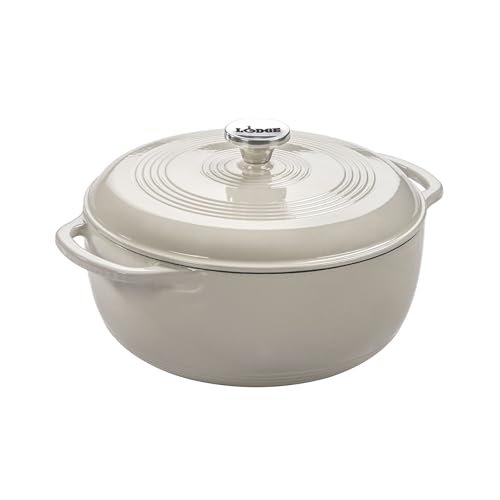

Is a Dutch Oven Good?
Yes. A Dutch oven is a great choice if you want one pot that can do many jobs. It can move from stovetop to oven with ease when the model is oven safe. I like the way it lets me build flavor in stages. I can brown the meat, soften the onions, add the liquid, and finish the dish without changing pots. That extra control feels useful when I want a rich stew or a deep braise.
The trade-off is weight and attention. A Dutch oven needs more hands-on work than a slow cooker. You also need to watch the heat and plan around oven use. Still, for cooks who want more than one main task from their cookware, the Dutch oven is hard to beat. In a Dutch Oven vs Slow Cooker match, it is the more flexible tool.
What Makes It Stand Out / Key Features
- Stovetop UseMost enameled cast iron Dutch ovens work well on the stovetop and let you brown food before slow cooking.
- Oven UseMany Dutch ovens can go into the oven, which makes them useful for braises, roasts, casseroles, and bread.
- Heat RetentionHeavy cast iron holds heat well and helps food cook at a steady pace.
- Flavor BuildingYou can sear meat and cook aromatics in the same pot before adding liquid.
- Wide Cooking RangeA Dutch oven can handle soups, stews, beans, chili, roasts, sauces, and many baked dishes.
- Long Service LifeA well-made Dutch oven can last for many years with proper care.
My Recommendation
Choose a Dutch oven if you want flexible cookware and enjoy taking a little more control over your meals. It suits cooks who like to sear, braise, bake, and simmer in one pot.
| Best For | Why |
|---|---|
| Versatile home cooks | It handles many cooking methods in one pot. |
| Braise and stew fans | Its heavy walls hold heat well and support long cooking. |
| Bread bakers | Many models work well for covered bread baking. |
Is a Slow Cooker Good?
Yes, especially if your top goal is easy cooking. A slow cooker is made for long, gentle cooking with little hands-on work. That makes it a natural fit for busy US households. You can load it before work, choose the heat setting, and return later to a ready meal. For chili, shredded chicken, pot roast, beans, and hearty soups, that simple routine can be a lifesaver.
The main limit is control. Most slow cookers do not give you the same direct searing and oven options as a Dutch oven. Some recipes also benefit from browning meat first, which can mean using another pan. In the Dutch Oven vs Slow Cooker comparison, the slow cooker wins when convenience matters more than cooking range.
What Makes It Stand Out / Key Features
- Hands-Off CookingOnce the ingredients are set up, the cooker can handle the long cooking stage for you.
- Low HeatSlow cookers use gentle heat over a long period to help tenderize many foods.
- Simple ControlsMost models offer basic settings such as low, high, and warm.
- Large CapacityCommon sizes work well for family meals, batch cooking, and leftovers.
- Easy Meal TimingSlow cooking fits well into workdays when you want dinner ready later.
- Good Moisture RetentionThe covered design helps keep moisture inside during long cooking sessions.
My Recommendation
Choose a slow cooker if you want dinner to cook while you work, relax, or handle family tasks. It is a strong fit for simple, low-effort meals.
| Best For | Why |
|---|---|
| Busy families | It reduces the need to watch the meal while it cooks. |
| Meal prep | Large batches are easy to make and portion. |
| Hands-off cooks | The cooking process needs little attention once started. |
Dutch Oven vs Slow Cooker: Side-by-Side Test
The best choice depends on what you want from your cooking pot. A Dutch oven gives you more control. A slow cooker gives you more freedom from the stove.
In this Dutch Oven vs Slow Cooker comparison, I focus on the things that matter most in a real home kitchen: cooking range, ease, flavor, cleanup, cost, and daily use.
Cooking Functions: Which Does More?
A Dutch oven works across more cooking methods, while a slow cooker focuses on long, gentle cooking.
| Feature | Product 1 | Product 2 |
|---|---|---|
| Searing | Excellent | Usually limited |
| Braising | Excellent | Excellent |
| Baking | Excellent for many recipes | Not designed for baking |
| Slow cooking | Very good | Excellent |
⭐ Product A – 10/10 | Product B – 7/10
The Dutch oven has the edge because it can handle more cooking methods.
Ease of Use: Which Saves More Work?
This is where the slow cooker feels like a quiet kitchen helper.
| Feature | Product 1 | Product 2 |
|---|---|---|
| Hands-off cooking | Moderate | Excellent |
| Heat monitoring | Usually needed | Minimal |
| Meal timing | Less automatic | Very convenient |
⭐ Product A – 7/10 | Product B – 10/10
The slow cooker has the edge for busy days and simple routines.
Flavor: Which Builds More Depth?
Both can make tender, tasty food, but the cooking path is different.
| Feature | Product 1 | Product 2 |
|---|---|---|
| Browning | Excellent | Limited in most models |
| Moisture retention | Very good | Excellent |
| Layered flavor | Excellent | Good |
⭐ Product A – 9/10 | Product B – 8/10
The Dutch oven has the edge when browning and building flavor in stages.
Cleanup: Which Is Easier?
Cleanup may seem small, but it matters after a long day.
| Feature | Product 1 | Product 2 |
|---|---|---|
| Number of main vessels | One pot | One cooker |
| Typical weight | Heavy | Moderate |
| Daily cleanup | Simple but can be heavy to handle | Usually simple |
⭐ Product A – 8/10 | Product B – 9/10
The slow cooker has a small edge for easy everyday cleanup.
Versatility: Which Fits More Recipes?
If you like trying new dishes, versatility can matter as much as ease.
| Feature | Product 1 | Product 2 |
|---|---|---|
| Soups and stews | Excellent | Excellent |
| Roasts | Excellent | Very good |
| Bread | Excellent for suitable recipes | Not designed for it |
| Stovetop sauces | Excellent | Not designed for it |
⭐ Product A – 10/10 | Product B – 6/10
The Dutch oven has the edge by a wide margin for recipe range.
Daily Convenience: Which Fits Busy Life?
The right tool can make dinner feel less like a task and more like a routine.
| Feature | Product 1 | Product 2 |
|---|---|---|
| Leave while cooking | Not usually the main advantage | Major advantage |
| Set-and-forget use | Limited | Excellent |
| Weekend cooking | Excellent | Excellent |
⭐ Product A – 7/10 | Product B – 10/10
The slow cooker has the edge when convenience is the main goal.
Value: Which Gives More Use?
Value is not just the purchase price. It also comes from how many jobs the tool can do.
| Feature | Product 1 | Product 2 |
|---|---|---|
| Cooking range | Very broad | Focused |
| Long-term use | Potentially many years | Many years with care |
| Extra cookware needed | Often less | May need a separate pan for browning |
⭐ Product A – 9/10 | Product B – 8/10
The Dutch oven has the edge if you want one versatile pot to cover many jobs.
Final Verdict: Which Should You Buy?
The Dutch Oven vs Slow Cooker debate comes down to control versus convenience. A Dutch oven is the more flexible choice. It can sear, braise, simmer, bake, and roast. A slow cooker is the easier choice for busy days. It can cook a meal while you focus on work, family, or rest.
If you want one versatile pot for many recipes, choose a Dutch oven. If you want easy meals with little hands-on work, choose a slow cooker. If your kitchen has room for both, they can work as a great team.