
By Michael Hayes
Quick Answer: Yes, a saucepan can be used as a frying pan for light tasks like eggs, sautéing vegetables, or reheating leftovers. It works less well for high-heat searing, deep frying, or foods that need room to spread, since most saucepans have narrower bases and taller, straighter sides than frying pans.
If you only own one or two pots, it’s a fair question to ask: can a saucepan be used as a frying pan when you don’t have the “right” tool on hand? The short version is that it can, for many everyday jobs, but the shape and material of your saucepan will decide how well it works. This guide walks through when a saucepan makes a decent stand-in, when it doesn’t, and how to use one safely so you don’t damage your cookware or end up with uneven cooking.
A note on accuracy: This article is for general educational and buying-guidance purposes only. It does not replace the manufacturer’s official manual, food safety guidance, or professional advice. Materials, specifications, and care instructions can vary by product and should be confirmed with the manufacturer before purchase or use. For product defects, suspected food-safety issues, or injuries such as burns or cuts, contact the manufacturer, a qualified professional, or seek medical help as needed.
What Frying Actually Requires From a Pan
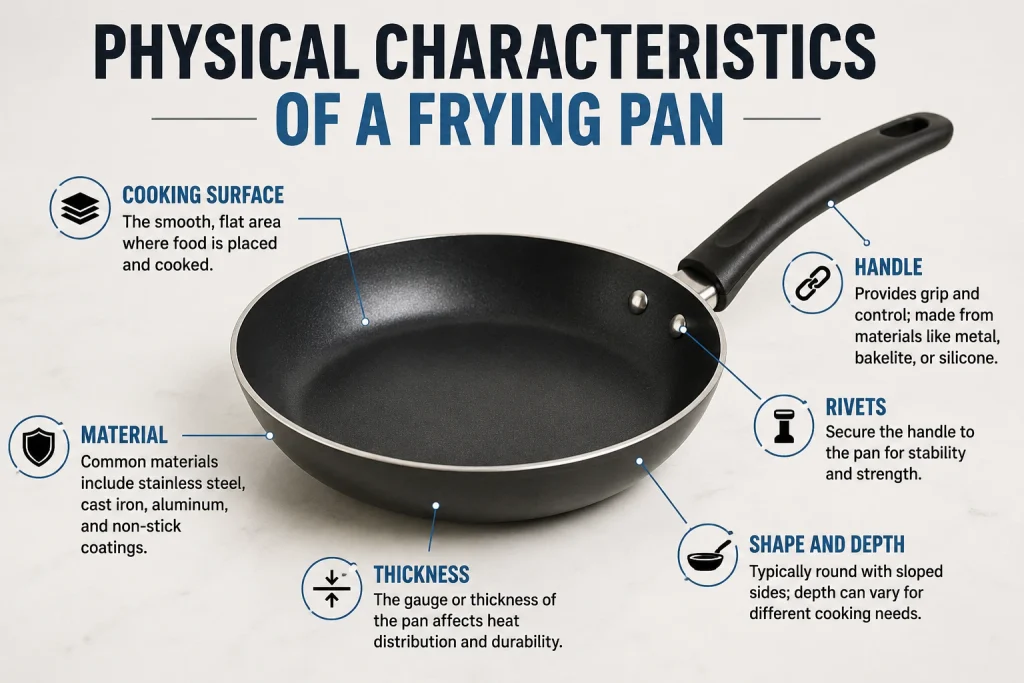
Frying is simple in theory: food touches hot oil or fat, and heat cooks the surface quickly. But the pan shape matters more than people expect. A frying pan is designed with a wide, flat base and low, flared sides. That shape lets steam escape, lets you flip food easily, and lets oil spread thin across the surface.
A saucepan is built differently. It usually has a smaller base, taller straight sides, and a lid. That design is great for simmering soups, boiling pasta, or making sauces, but it traps steam and makes flipping or tossing food harder. This is the main reason people ask whether a saucepan can be used as a frying pan in the first place — the tools look similar, but they behave differently once heat is involved.
Why the Shape Difference Matters
When you fry in a pan with tall sides, moisture has nowhere to go. Instead of crisping, food often steams instead. This is why bacon, hash browns, or crispy stir-fry vegetables can turn soggy in a saucepan, even if the heat setting is correct.
On the other hand, a saucepan’s smaller surface area can actually help with small-batch tasks. Scrambling two eggs, toasting spices, or gently sautéing garlic in butter works fine, because you’re not trying to cover a large area with heat.
Saucepan vs Frying Pan: A Side-by-Side Look
What to Check Before You Fry in a Saucepan
Before deciding whether a saucepan can be used as a frying pan for a specific meal, a few practical checks help avoid a messy or unsafe result.
- Material: Stainless steel and cast iron saucepans handle higher heat better than thin non-stick versions.
- Handle type: A short, oven-safe handle is safer near open flame than a long plastic one.
- Base thickness: Thin bases heat unevenly and can scorch food in the center.
- Coating condition: Scratched or peeling non-stick coating should not be used for frying; check the manufacturer’s guidance if you notice flaking.
Quick decision path: Use this simple flow before choosing a saucepan for frying.
In practice, this path shows that a saucepan is a reasonable backup tool for small jobs, but not a full replacement for a dedicated frying pan.
Step-by-Step: Frying Safely in a Saucepan
Choose a saucepan with a flat, even base and a sturdy, heat-safe handle.
Preheat on medium, not high, since narrow bases heat faster near the center.
Add a thin layer of oil or butter and let it warm before adding food.
Cook in small batches so food isn’t crowded against the tall sides.
Stir or turn food gently with a heat-safe spatula instead of tossing it.
Common Problems and What’s Likely Causing Them
Safety and Hygiene Checks
Any time you fry, hot oil and direct heat are involved, so a few habits matter regardless of which pan you use.
- Keep pot holders nearby and turn handles inward, away from the edge of the stove.
- Never leave frying oil unattended, since it can overheat quickly in a smaller saucepan.
- Let cookware cool before washing to avoid warping, especially with thinner saucepans.
- Check the manufacturer’s guidance if a non-stick surface looks scratched or discolored.
Note: In daily cooking, I usually notice that a saucepan works best for frying when the recipe is small and forgiving, like scrambled eggs or a quick vegetable sauté, rather than anything that needs a hard sear.
Safe Practice vs Risky Practice
Common Mistakes People Make
Most problems come from treating a saucepan exactly like a frying pan instead of adjusting the technique. Overcrowding the pan, using too much oil, or cooking on high heat are the most frequent mistakes.
Tip: If your saucepan has a wider, flatter base than most, it will behave closer to a frying pan and give better results for light frying tasks.
Care and maintenance checklist dashboard:
Checking these points regularly helps keep a saucepan usable for light frying without shortening its lifespan.
What Experienced Cooks Check That Beginners Miss
New cooks often just check if the pan is hot. That’s a starting point, but heat alone doesn’t guarantee even cooking in a saucepan.
More experienced cooks watch how oil moves in the pan. If it pools instead of spreading, the base shape is limiting results.
Cast iron and stainless steel saucepans hold heat more evenly than thin aluminum, which matters for frying.
Skilled cooks scale the batch down rather than forcing a full-size portion into a narrow saucepan.
Choosing the Right Pan for Different Foods
Product / Tool Fit Table
Warning: Avoid deep frying in a saucepan meant for boiling or simmering unless the manufacturer confirms it’s rated for high-heat oil use. Overheated oil in an unsuitable pan can be a fire risk.
Tool fit dashboard: a practical, non-scientific guide to how well each pan handles common tasks.
This article may contain affiliate links. If you buy through these links, we may earn a small commission at no extra cost to you. We only mention products that fit the topic and recommend checking current specs and care instructions directly with the manufacturer.
Everyday Non-Stick Frying Pan
A dedicated frying pan can make daily cooking easier for foods that need to crisp or brown, since the wide flat base and low sides are built for that job.
Multi-Use Stainless Steel Saucepan
A sturdy stainless steel saucepan with a wider base may support more consistent results for both simmering and light frying tasks in a small kitchen.
Mistake vs Better Choice
Relative priority meter (practical guide, not lab-tested data):
Ease of frying eggs in a saucepan
Ease of frying bacon in a saucepan
Typical maintenance priority for saucepan coating
When to contact a professional or manufacturer: If a saucepan’s handle loosens, its coating flakes into food repeatedly, or you notice warping after normal use, stop using it and check the manufacturer’s warranty or care guidance. For burns from hot oil or cuts from cookware handling, seek medical attention if the injury is deep, won’t stop bleeding, or shows signs of infection.
For general food-contact material safety, the FDA offers background on cookware material regulation. For cookware and appliance safety recalls, the Consumer Product Safety Commission is a reliable source. For third-party material certification information, NSF International is a recognized authority.
Frequently Asked Questions
Can a saucepan be used as a frying pan for everyday meals?
Yes, for small portions like eggs or sautéed vegetables. It works less well for foods that need to crisp or spread out, like bacon or stir-fry.
Will frying in a saucepan damage it?
Not usually if you use appropriate heat and a thin layer of oil. Repeated high-heat frying on a thin-bottomed saucepan can cause warping over time.
Is it safe to deep fry in a saucepan?
Only if the manufacturer confirms the pan is rated for that use. Otherwise, a narrow saucepan with a lot of hot oil can be less stable and harder to control safely.
What foods work best in a saucepan instead of a frying pan?
Small, forgiving foods like scrambled eggs, warmed sauces, or lightly sautéed garlic and onions tend to work well.
Why does food steam instead of brown in a saucepan?
Tall, straight sides trap moisture and steam near the food, which slows down browning compared to a shallow frying pan.
How do I know if my saucepan’s non-stick coating is still safe to use?
Check for scratches, peeling, or discoloration. If the coating looks damaged, check the manufacturer’s guidance before continuing to use it for frying.
Should I buy a frying pan if I already have a saucepan?
If you cook things like bacon, steak, or stir-fry often, a dedicated frying pan makes daily cooking easier. If your meals are mostly small and light, your saucepan may be enough.
So, can a saucepan be used as a frying pan? For small, everyday tasks, it usually can. For high-heat searing or foods that need room to crisp, a dedicated frying pan will give more consistent results. Whichever pan you use, confirm care instructions and heat limits with the manufacturer, and seek professional or medical help for any product defects, persistent food-safety concerns, or injuries.
