
By Michael Hayes
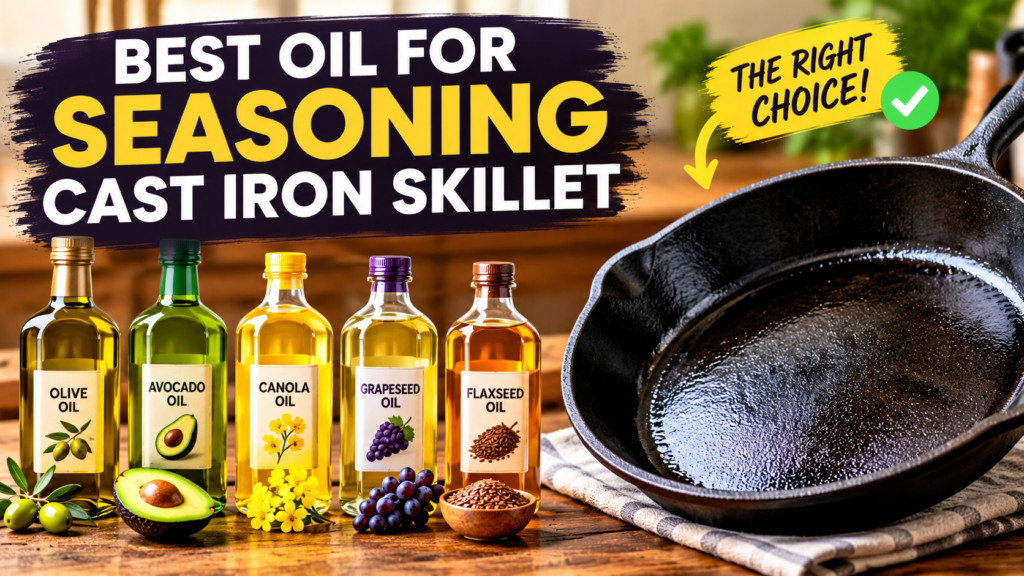
Quick Answer: Which oil is best to season cast iron skillet pans? For most home cooks, a thin layer of neutral refined oil, such as grapeseed, canola, or vegetable oil, works well. Flaxseed oil is popular too, but it can flake if applied thickly. Wipe the pan nearly dry before baking.
Many beginners worry about choosing which oil is best to season cast iron skillet cookware, then end up with a sticky pan. The truth is that technique matters as much as the bottle you pick. This guide explains how seasoning works, compares common oils, and shows a simple routine you can repeat at home.
You will learn how to choose an oil, apply it safely, fix common problems, and care for the finish afterward.
This article is for general educational and buying-guidance purposes only. It does not replace the manufacturer’s official manual, food safety guidance, or professional advice. Materials, specifications, and care instructions can vary by product and should be confirmed with the manufacturer before purchase or use. For product defects, suspected food-safety issues, or injuries such as burns or cuts, contact the manufacturer, a qualified professional, or seek medical help as needed.
Why the Oil You Choose Matters for Seasoning
Seasoning is not paint. It is a thin layer of oil that has been heated until it hardens into a slick finish on the iron. Cooks often call this process polymerization. A good finish helps food release, helps protect the metal from rust, and improves with regular cooking.
Oils behave differently under heat. Some smoke sooner, some leave a softer film, and some turn tacky when left thick. For a beginner, the best choice is usually mild, affordable, easy to find, and forgiving of small mistakes.
Which Oil Is Best to Season Cast Iron Skillet Cookware?
Choose a neutral, refined oil if you want the simplest path. Grapeseed, canola, and plain vegetable oil are common picks because they are mild and easy to spread thinly. Flaxseed oil has loyal fans, yet many cooks report flaking when it goes on too thick. Shortening and lard are older options that some people like.
Choose this if you want an easy, low-cost routine: a neutral oil. Choose flaxseed oil if you enjoy a hands-on process and will wipe very thin layers. Avoid this if you want a clean, even finish: butter or strongly flavored oils.
Common Seasoning Oils Compared
Use this table to decide which oil is best to season cast iron skillet pans in your own kitchen.
The dashboard below turns those choices into four simple picks. It is a practical guide, not a test result.
Oil fit dashboard (practical guide)
Beginner-friendly pick
Grapeseed, canola, or vegetable oil. They are mild and easy to find, so they suit a simple routine.
Budget-friendly pick
Plain vegetable oil or shortening. Both are cheap and forgiving, and a small bottle can stay with your pan care supplies.
Hands-on pick
Flaxseed oil. Some cooks enjoy the finish, but it needs very thin layers and patience.
Traditional pick
Lard or shortening. Cooks have used solid fats for years. Store them fresh, because old fat can smell rancid.
If you are unsure, start with a neutral oil. Switch to flaxseed later only if you want to experiment, and keep the layer thin either way.
Oils and Fats to Use With Caution
Extra virgin olive oil often smokes easily and may leave a blotchy finish. Butter contains milk solids that can burn. Coconut oil can work for some cooks, but results vary. None of these are forbidden, yet they are less predictable for a first attempt.
Note: Seasoning advice online often conflicts. Cookware makers also differ, so read the care card that came with your skillet before choosing an oil.
Seasoning Problems and Likely Causes
How to Season a Cast Iron Skillet, Step by Step
Step 1: Clean the pan. Wash a new or dirty skillet with warm water and a brush. Follow the maker’s advice on soap.
Step 2: Dry completely. Towel dry, then warm the pan briefly on the stove so no moisture hides in the metal.
Step 3: Add a tiny amount of oil. Rub it over the inside, outside, and handle with a clean cloth.
Step 4: Wipe it nearly dry. Buff as if you were removing all the oil. A thin film will remain.
Step 5: Bake upside down. Place the skillet on an oven rack with a tray below to catch drips. Use the temperature and time your skillet or oil maker suggests.
Step 6: Cool and repeat. Let it cool in the oven. New or stripped pans often need several thin rounds.
This quick flow shows the same routine at a glance.
Seasoning routine flow (practical guide)
Steps three and four decide most outcomes. If you rush them, even the best oil can leave a sticky finish.
Tip: After wiping, take a fresh clean cloth and buff once more. If the pan looks shiny wet instead of lightly satin, there is still too much oil.
Warning: Cast iron stays dangerously hot long after it leaves the oven. Use dry oven mitts, keep children and pets away, and let the skillet cool fully before moving it.
Accuracy and Safety Note: Rags or paper towels soaked in cooking oil can become a fire hazard if bunched up, especially with drying oils. Lay them flat to dry or soak them in water before disposal, and check local fire-safety guidance. For general food-contact questions, the FDA offers broad consumer information.
Safer Seasoning Habits vs Risky Habits
Fixing a Sticky or Flaky Finish
When the surface feels wrong, work through the path below before stripping the pan.
Troubleshooting path (practical guide)
Most seasoning problems are fixed with less oil and another bake. Cracks or warping are different, because they point to a product issue rather than a seasoning mistake.
Skillet Type and Oil Fit
A Simple Care Routine After Seasoning
A good finish lasts longer with steady habits. This checklist shows the basics.
Care checklist dashboard (practical guide)
Clean gently
Use warm water and a soft brush or scraper. Skip harsh scouring unless you plan to re-season.
Dry right away
Towel dry, then set it on low heat for a minute. Moisture is the main cause of rust.
Wipe a little oil
Rub on a few drops and buff until nearly dry. This keeps the surface protected between uses.
Store dry
Keep the skillet in a dry spot. If stacking pans, add a paper towel between them to absorb moisture.
These habits take about two minutes. Done consistently, they often matter more than the exact oil you used.
Common Mistakes and Better Choices
The last chart ranks what usually matters most. It is a rough guide based on common home-cook experience, not laboratory data.
Typical routine priority (practical guide)
Thin layer, wiped nearly dry
Fully drying the skillet
Even oven heat and bake time
Picking a specific oil
Specialty seasoning products
Oil choice matters, but a thin layer and good drying matter more. Specialty products are optional, never required.
When to contact the manufacturer or a professional: Reach out if your skillet cracks, wobbles, warps, or has a coating you cannot identify. Report dangerous product defects through the CPSC. For serious burns or an oven fire, seek emergency or medical help immediately.
This article may contain affiliate links. If you buy through these links, we may earn a small commission at no extra cost to you. We only mention products that fit the topic and recommend checking current specs and care instructions directly with the manufacturer.
Optional Supplies for Seasoning
Refined Grapeseed or Vegetable Oil
A neutral oil can make seasoning easier to repeat at home. Many home cooks find it convenient to keep a small bottle just for pan care.
Cast Iron Seasoning Oil
Products made for cast iron care may support more consistent results for cooks who prefer a ready-to-use option. Confirm ingredients and instructions with the maker.
Frequently Asked Questions
Which oil is best to season cast iron skillet?
For most home cooks, a thin layer of neutral refined oil such as grapeseed, canola, or vegetable oil is a practical choice. Flaxseed oil is also popular but can flake if applied too thickly. Always check your skillet maker’s care instructions.
Can I use olive oil to season a cast iron skillet?
You can, but many cooks find extra virgin olive oil smokes easily and may leave a blotchy finish. Refined neutral oils are usually easier for beginners. Olive oil is better saved for everyday cooking at moderate heat.
Is flaxseed oil necessary for seasoning cast iron?
No. Flaxseed oil is one option some cooks like, but it is not required. Regular neutral cooking oils can build a useful seasoning layer when applied thinly and baked properly.
How much oil should I use to season a cast iron skillet?
Use very little. Rub a small amount over every surface, then wipe with a clean cloth until the pan looks almost dry. Thick layers are a common cause of sticky or uneven seasoning.
Why does my cast iron skillet feel sticky after seasoning?
Stickiness usually means too much oil was left on the pan or it was not heated long enough. Bake it again with a very thin layer, or scrub gently and restart if the surface stays tacky.
How often should I season my cast iron skillet?
Season a new, stripped, or rusty skillet in several thin rounds. After that, regular cooking, gentle cleaning, drying, and a light wipe of oil often maintain it. Re-season when the surface looks dull or food starts sticking.
Final Thoughts
When people ask which oil is best to season cast iron skillet pans, the practical answer is a neutral oil used in very thin layers. Confirm the care instructions from your skillet’s maker, dry the pan well, and follow basic kitchen fire and burn safety.
If your skillet cracks, warps, or causes an injury, contact the manufacturer or seek professional or medical help as needed.
