
By Olivia Bennett
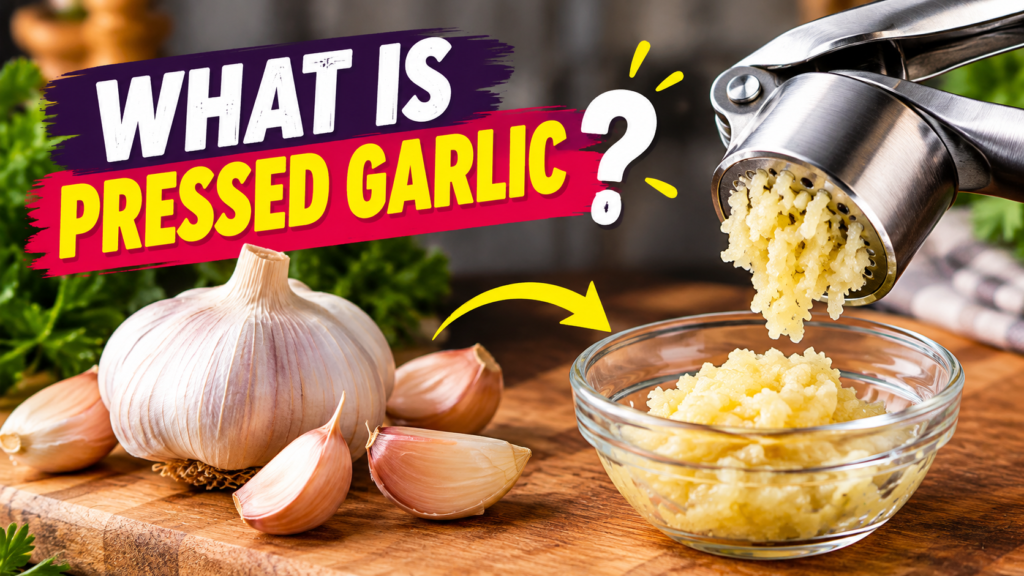
Quick Answer: What is pressed garlic? It is a raw garlic clove crushed through a garlic press, which forces the clove through small holes. The result is a fine, wet, paste-like garlic with a strong, sharp flavor that blends quickly into sauces, marinades, dressings, and soups.
Garlic shows up in almost every home kitchen, yet the way you cut it changes how a dish tastes. Pressing is one of the fastest methods, and it gives a stronger, smoother flavor than slicing or chopping. This guide shows how pressing works, how it compares with other cuts, when to use it, and how to store it safely.
Please Note
This article is for general educational and buying-guidance purposes only. It does not replace the manufacturer’s official manual, food safety guidance, or professional advice. Materials, specifications, and care instructions can vary by product and should be confirmed with the manufacturer before purchase or use. For product defects, suspected food-safety issues, or injuries such as burns or cuts, contact the manufacturer, a qualified professional, or seek medical help as needed.
Pressed Garlic Explained in Plain Words
So, what is pressed garlic in everyday cooking? It is a clove that has been forced through a garlic press, a hand tool with a hopper and a lever. The clove is squeezed through tiny holes and comes out as soft, wet strands or paste. Many home cooks use it when they want garlic flavor to spread through a dish without visible pieces.
Why does it taste stronger? Garlic holds a compound called alliin and an enzyme called alliinase in separate parts of its cells. Crushing the clove breaks those cells and lets the two meet, which forms allicin, the compound many cooks link to garlic’s sharp bite. A press breaks far more cells than a knife, so the taste is usually bolder and hotter.
Beginner check: a sharp smell right after pressing is normal.
Note: Pressed garlic is not a different kind of garlic. It is the same bulb, just cut in a different way.
Pressed Garlic vs. Minced, Chopped, and Sliced
The cut changes flavor, texture, and how fast garlic cooks. This table gives a simple side-by-side view.
Garlic Cut Comparison
| Cut | Texture | Flavor Strength | Often Used For |
|---|---|---|---|
| Pressed | Smooth wet paste | Strongest and sharpest | Dressings, marinades, quick sauces |
| Minced | Small uneven bits | Strong, slightly milder | Sautés, stir-fries, pasta |
| Chopped | Larger pieces | Medium | Roasts, braises, soups |
| Sliced | Thin flat pieces | Mild to medium | Stir-fries, pan sauces |
Experienced-cook observation: many cooks press garlic for raw uses like vinaigrettes. For slow-cooked dishes, they often prefer chopped or sliced garlic, which holds up better over long heat.
How a Garlic Press Works
A press has two parts: a chamber with small holes and a plunger or lever that pushes the clove through. Some models need a peeled clove. Others may handle unpeeled cloves, so check the manufacturer’s guidance for your tool.
Chamber and Plunger
The clove sits in a small chamber while the plunger pushes it down. A snug fit helps garlic move through the holes instead of squeezing out the sides.
Handles and Hole Plate
Two handles act as a lever and give you extra force. Garlic bits can get stuck in the holes, so rinse the tool soon after use.
How to Press Garlic Step by Step
Seeing what is pressed garlic in action is easier with a quick flow, from clove to pan.
Separate a clove
Peel it
Load the press
Squeeze steadily
Cook or mix
The flow is short, but each stage matters. Peeling and loading take most of the time, while the squeeze itself takes only a second or two. Using the garlic soon after pressing keeps the flavor fresh and bold.
Wash your hands and set out a clean board, the press, and a small bowl.
Trim the root end and slip off the skin. Keep fingers away from the knife edge.
Place one peeled clove in the hopper. Do not overfill the chamber, which can strain the handles.
Close the handles with firm, even pressure. Scrape the paste off the plate with a knife tip.
Add the garlic to your dish soon after pressing. Rinse the press right away so garlic does not dry in the holes.
Tip: Add pressed garlic near the end of cooking if you want a sharper taste, or earlier if you want it softer.
When to Choose Pressed Garlic
Knowing what is pressed garlic helps you pick the right cut for each dish. Choose this if you want smooth garlic flavor in a sauce, dressing, dip, or marinade. Avoid this if a recipe wants visible garlic pieces, such as a slow-roasted tray bake. Check the recipe’s guidance if it names a specific cut, because the cut can change the taste.
Example: a weeknight lemon-garlic dressing. One pressed clove spreads through the oil and lemon juice, so the flavor is more even. Minced garlic could leave sharp bits in some bites.
Common Problems With Pressed Garlic
Most trouble comes from heat, timing, or the tool. Use this table to spot the likely cause.
Problem vs Likely Cause
| Problem | Likely Cause |
|---|---|
| Garlic tastes too harsh | Too much garlic for the dish, or raw use without enough fat or acid |
| Garlic tastes bitter | Cooked too hot or browned too quickly in the pan |
| Press is hard to squeeze | Overfilled hopper or dried garlic blocking the holes |
| Paste sticks to the plate | Wet garlic residue left to dry on the metal |
| Smell lingers on hands | Garlic compounds cling to skin and tools |
If your garlic tastes wrong, this path can help you narrow down the cause.
Bitterness often points to heat, while harshness often points to amount and rawness. If neither fits, look at how old the garlic is and how it was stored. When in doubt about spoilage, throw it out.
Warning: Never leave pressed or chopped garlic sitting in oil at room temperature. Garlic stored in oil can carry a risk of botulism, so keep it refrigerated and use it quickly.
Storing and Handling Pressed Garlic Safely
Once you understand what is pressed garlic, the next question is how long it keeps. Fresh garlic is best used right after pressing. Leftovers belong in a small, covered container in the refrigerator, used within a day or so.
Safe Practice vs Risky Practice
| Safe Practice | Risky Practice |
|---|---|
| Press garlic just before cooking | Press it hours ahead and leave it on the counter |
| Refrigerate leftovers in a covered container | Leave leftovers uncovered on the counter |
| Wash the press after use, especially after raw meat marinades | Let garlic and raw-meat residue sit on the tool |
| Throw away garlic that is moldy or slimy | Cut off a spot and use the rest |
| Refrigerate garlic-in-oil and use it quickly | Keep garlic in oil on the pantry shelf |
Accuracy and Safety: Food-safety advice can change, so review current guidance from FoodSafety.gov and the USDA before storing garlic mixtures. Use this article as general guidance only.
Cleaning and Caring for Your Garlic Press
Use this checklist after each use to keep the holes clear.
A clean press works better and is safer to use, because old garlic bits can hold moisture. If your press is labeled dishwasher-safe, follow the maker’s instructions. If not, hand washing is the safer choice. Replace the tool if it bends, cracks, or no longer closes well.
Choosing a Garlic Press That Fits Your Kitchen
Think about hand comfort, storage space, and how often you cook with garlic.
Tool Type and Material Fit
| Tool Type | Often Good For | Check Before Buying |
|---|---|---|
| Stainless steel | Everyday use and easy rinsing | Handle comfort and care notes |
| Cast metal | A sturdy, heavy feel | Coating details and washing directions |
| Plastic-bodied | Light use and small hands | Heat limits and dishwasher guidance |
| Large-hopper style | Bigger cloves | Whether peeling is needed |
Contact the Manufacturer: If your press cracks, pinches your hand, or sheds metal or coating, stop using it and contact the maker. For a deep cut or bleeding that will not stop, seek medical help.
This dashboard turns the table above into a quick fit check.
Look for handles that fit your grip.
Fewer parts can mean faster rinsing.
Bigger hoppers can handle larger cloves.
Follow the maker’s washing directions.
Pick the tile that matters most to you and shop with that in mind.
Common Mistakes to Avoid
Mistake vs Better Choice
| Mistake | Better Choice |
|---|---|
| Pressing garlic for a long braise | Use whole or sliced cloves |
| Cooking pressed garlic over high heat | Lower the heat and add it late |
| Using soft or moldy cloves | Choose firm, dry bulbs |
| Letting garlic dry inside the press | Rinse it right after use |
This practical guide compares typical routine priority for common garlic habits. It is a rough guide, not a measurement.
Practical guide: Typical routine priority
Longer bars mean the habit usually deserves more attention in a home routine. Rinsing and timing come first because they affect both cleanup and flavor. Heat control and storage still matter in many dishes.
This article may contain affiliate links. If you buy through these links, we may earn a small commission at no extra cost to you. We only mention products that fit the topic and recommend checking current specs and care instructions directly with the manufacturer.
Garlic Tools to Consider
Stainless Steel Garlic Press
A common choice for home cooks who want a simple hand tool for pressing garlic. Check the listing for size, cleaning directions, and materials.
Frequently Asked Questions
What is pressed garlic and how is it different from minced garlic?
Pressed garlic is garlic crushed through a press into a smooth paste. Minced garlic is cut by knife into small pieces, so it is usually a bit milder.
Do I need to peel garlic before pressing?
Many presses need a peeled clove. Some may work with unpeeled cloves, so check your tool’s manual.
Is pressed garlic stronger than chopped garlic?
Often, yes. Pressing breaks more cells, which usually gives a sharper flavor than chopping.
How long can I keep pressed garlic?
It is best used right away. If you must save it, cover it, refrigerate it, and use it within a day or so.
Can pressed garlic burn easily?
Yes. Fine, wet paste cooks fast and can turn bitter in hot oil. Use gentle heat and stir.
Is a garlic press worth buying?
It can be, if you cook with garlic often and want quick, even flavor. If you rarely use garlic, a knife works well.
Final Thoughts
Knowing what is pressed garlic makes everyday cooking easier. It is simply garlic crushed through a press, and it works best in dressings, sauces, and marinades. Watch the heat, store leftovers with care, and read the manufacturer’s instructions for your tool. If you have a food-safety worry or an injury, contact the maker or seek medical help.
