
By Michael Hayes
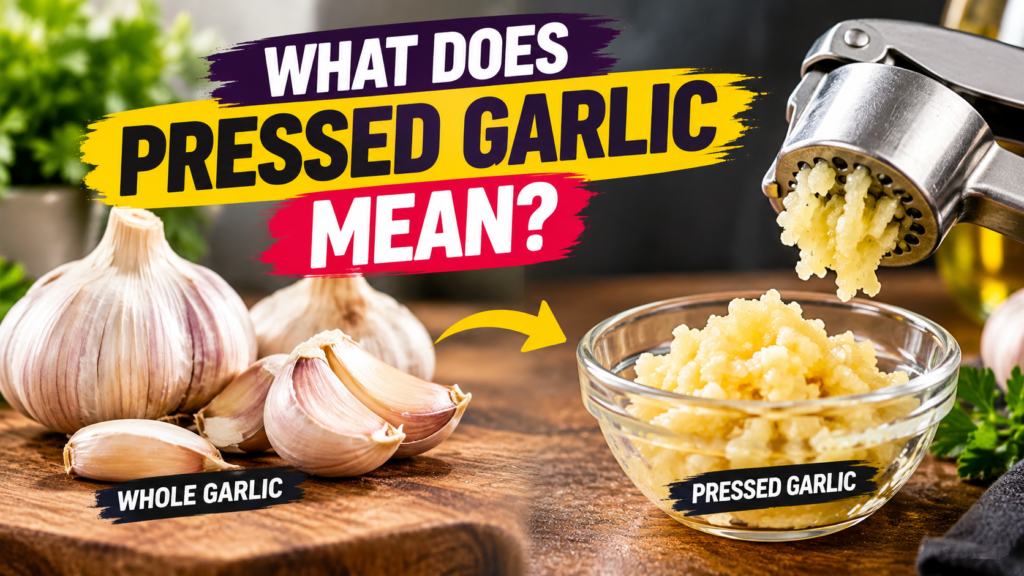
Quick Answer: What does pressed garlic mean? It means a garlic clove squeezed through a garlic press into a fine, wet, pasty texture. It tastes stronger than chopped garlic and blends into food fast. No press? Grate it or mash minced garlic with a pinch of salt.
What does pressed garlic mean, and why does it taste so strong? Pressed, minced, crushed, and chopped garlic can look alike, but they change flavor and texture. This guide explains the term in plain language, shows how to press garlic safely, and offers easy substitutes.
This article is for general educational and buying-guidance purposes only. It does not replace the manufacturer’s official manual, food safety guidance, or professional advice. Materials, specifications, and care instructions can vary by product and should be confirmed with the manufacturer before purchase or use. For product defects, suspected food-safety issues, or injuries such as burns or cuts, contact the manufacturer, a qualified professional, or seek medical help as needed.
What Does Pressed Garlic Mean in a Recipe?
In a recipe, pressed garlic means a clove forced through the small holes of a garlic press. The result is a soft, moist pulp with no visible pieces. Because pressing breaks open many cells at once, the garlic releases more of its sharp aroma than sliced garlic does.
You may see it written as “3 cloves garlic, pressed.” That means you count whole cloves first, then press them. Many home cooks use pressed garlic in dressings, marinades, and sauces, where small bits would feel out of place.
Pressed Garlic vs. Minced, Crushed, and Chopped
So, what does pressed garlic mean when you compare it with other styles? The main difference is how finely the garlic is broken down. Finer pieces usually taste stronger and cook faster.
Garlic Prep Styles Compared
| Style | Texture | Flavor | Common Use |
|---|---|---|---|
| Pressed | Fine, wet pulp | Strong, sharp | Dressings, sauces |
| Minced | Tiny, slightly dry bits | Medium to strong | Sautés, soups |
| Crushed | Smashed whole clove | Mild | Infusing oil |
| Chopped | Larger, uneven pieces | Medium | Roasts, stews |
Choose pressed garlic if you want flavor to blend in. Avoid it if you want soft garlic pieces to stay visible. Swapping styles changes taste, so start with a little less and taste as you go.
Why Pressed Garlic Tastes Stronger
Garlic turns sharp and spicy when its cells are broken, so more broken cells usually means a bolder bite. A press breaks far more cells than a knife, which is why a pressed clove often tastes stronger than a chopped one. This is a general kitchen observation, not a lab measurement.
Experienced-cook observation: heat softens the bite. Raw pressed garlic in a dressing can feel fiery, while the same garlic simmered in sauce turns rounder.
Note: Recipes written for pressed garlic often use fewer cloves than recipes that call for sliced garlic. When swapping, start small and taste before adding more.
What does pressed garlic mean for your prep order? This simple flow shows the path from whole clove to finished dish.
Pressed Garlic Routine
→
→
→
→
Pressing comes right before the garlic meets heat or the bowl. Freshly pressed garlic tends to taste best soon after pressing, so avoid doing this step too early.
Best Uses for Pressed Garlic
Pressed garlic shines where a smooth texture matters. Avoid it when you want chunky, sweet garlic.
Salad Dressings
Pressed garlic blends smoothly into vinaigrettes. No chewy bits means an even flavor.
Marinades
The fine pulp clings to meat and vegetables. It spreads flavor quickly.
Pan Sauces
Add it late in cooking so it does not burn. A short cook keeps the flavor lively.
Dips and Spreads
Hummus, yogurt dips, and butter spreads hide garlic bits well. Use a small amount, since raw garlic can taste strong.
How to Press Garlic Step by Step
Follow your press maker’s instructions if they differ from these steps.
Tip: Pressing a second clove can push leftover bits out of the holes. A quick rinse right after use also makes cleanup easier.
What to Do Without a Garlic Press
You can still follow a recipe that asks for pressed garlic. The goal is a fine, wet texture, and a few tools can get you close.
Tools Matched to the Job
| Tool | Result | Choose this if… |
|---|---|---|
| Garlic press | Fine pulp | You cook with garlic often |
| Fine rasp grater | Very fine paste | You already own one |
| Knife and salt | Smooth paste | You want no extra tools |
| Mortar and pestle | Smooth paste | You like making sauces |
Check the manufacturer’s guidance if you plan to wash a press or grater in the dishwasher, since materials and coatings vary.
For a knife paste, mince the clove, add a tiny pinch of salt, then drag the flat side of the knife across it until smooth. The salt acts as a mild scrub.
Warning: Garlic cloves are slippery. Keep your board steady, curl your fingertips away from the blade, and take care with sharp graters.
Not sure which method to pick? Follow this quick path.
Method Decision Path
If you have a press, use it. If not, a fine grater or knife paste gets you close. Either way, taste before adding extra garlic.
Common Garlic Problems and Causes
Most garlic problems come from heat, amount, or timing.
Problem vs. Likely Cause
| Problem | Likely Cause | Simple Fix |
|---|---|---|
| Too harsh | Large amount, used raw | Use fewer cloves |
| Bitter taste | Garlic burned in oil | Lower heat, add later |
| Hard to squeeze | Very large or dry clove | Halve large cloves |
| Clogged holes | Pulp dried in press | Rinse right away |
Beginner check: if garlic turns dark brown in the pan, it has gone too far. Pressed garlic cooks quickly because the pieces are so small.
Realistic kitchen example: you stir pressed garlic into hot oil and walk away. Thirty seconds later it smells bitter. Next time, add it with the liquid.
Garlic Safety and Storage Basics
Garlic is simple to handle, but a few habits keep your kitchen safe.
Safe Practice vs. Risky Practice
| Topic | Safer Practice | Risky Practice |
|---|---|---|
| Garlic in oil | Refrigerate and use quickly | Leaving it at room temperature |
| Leftover pressed garlic | Cover, chill, use soon | Leaving it out for hours |
| Cutting boards | Wash after raw meat | Reusing without washing |
| Press cleaning | Rinse after each use | Letting pulp dry |
Beginner check: pressed garlic smells strong quickly, so press it only when you are ready to cook. Leftover pulp can go in a covered container in the refrigerator and be used soon.
Accuracy and Safety Box: Homemade garlic stored in oil can carry food-safety risks if handled poorly. Check current guidance from FoodSafety.gov and the FDA before storing garlic in oil.
Contact the Manufacturer or a Professional: If your press arrives damaged or a handle bends or breaks, stop using it and contact the manufacturer. Seek medical help for deep cuts or burns, and contact a qualified professional about suspected food-safety problems.
Caring for Your Garlic Press
A few habits help a press last longer and clean more easily.
Garlic Press Care Checklist
Use this as a simple routine, not a strict rule. When in doubt, follow the maker’s care instructions.
Which Garlic Tool Fits Your Kitchen?
Use this quick dashboard to match your habits with a tool.
Tool Fit Dashboard
Press
Fast for people who use garlic daily. It needs quick rinsing.
Fine Grater
Works well for very fine paste. Take care with your knuckles.
Knife and Salt
Needs no extra tools. It takes a little practice.
Mortar and Pestle
Good for sauces and pastes. It takes more cleanup.
Pick based on how often you cook with garlic. Occasional cooks may be fine with a knife, while daily cooks often prefer a press.
Common Pressed Garlic Mistakes
Small slips can change how garlic tastes, so these quick fixes are worth a glance.
Mistake vs. Better Choice
| Mistake | Better Choice |
|---|---|
| Pressing garlic too early | Press just before using |
| Using too many cloves | Start small and taste |
| Swapping styles one-for-one | Use slightly less |
| Leaving pulp in the press | Scrape and rinse promptly |
Here is a practical guide to how hard each method feels.
Practical guide: Relative difficulty
These bars are a simple practical guide, not lab data. Easier methods suit beginners, while harder ones reward practice.
Helpful Garlic Tools
This article may contain affiliate links. If you buy through these links, we may earn a small commission at no extra cost to you. We only mention products that fit the topic and recommend checking current specs and care instructions directly with the manufacturer.
Stainless Steel Garlic Press
A sturdy press can speed up garlic prep for sauces and dressings. Compare handle comfort and check care instructions first.
Fine Rasp Grater
A fine grater can turn a clove into a smooth paste without a press. Check the maker’s care instructions before washing.
Frequently Asked Questions
What does pressed garlic mean in cooking?
It means a clove squeezed through a garlic press into a fine, moist pulp. It blends in quickly and tastes stronger than chopped garlic.
Is pressed garlic the same as minced garlic?
Not exactly. Minced garlic is cut with a knife and feels drier. Pressed garlic is wetter and usually tastes sharper.
Do I need to peel garlic before pressing?
Many cooks peel first for cleaner results. Some presses handle unpeeled cloves, so check your maker’s instructions.
How much garlic is one pressed clove?
A recipe that says “1 clove, pressed” means one whole clove, pressed. Clove sizes vary, so taste and adjust.
Can jarred garlic replace pressed garlic?
It can work in a pinch, but flavor and texture differ. Follow the label’s storage instructions.
Can a garlic press go in the dishwasher?
Some are labeled dishwasher safe and some are not. Check the manufacturer’s care instructions, and rinse promptly either way.
Final Thoughts
What does pressed garlic mean for your cooking? It means a fine, wet garlic pulp that spreads flavor fast. Start with a little less than you would use with chopped garlic, and add it near the end of cooking. Check your press’s manufacturer instructions, follow food-safety guidance for garlic in oil, and seek medical help for serious cuts or burns.
